2026 Best RF Microneedling Devices for Global Buyers?

The 2026 market for rf microneedling devices is expanding across dermatology clinics, medical spas, and professional aesthetic practices. Global buyers now face a crowded field of systems, handpieces, needle depths, energy controls, and service promises. A polished brochure cannot replace clinical evidence.

Dr. Lance Setterfield, a recognized microneedling educator, describes the principle clearly: “Microneedling is a controlled injury to stimulate a healing response.” His statement highlights an important reality. Radiofrequency energy adds thermal control, but results still depend on treatment technique, skin assessment, needle placement, and aftercare. The device matters. Operator judgment matters more.

This guide examines leading rf microneedling devices for international buyers in 2026. It considers adjustable needle depth, bipolar or monopolar delivery, pulse control, cooling systems, cartridge design, and treatment consistency. It also reviews training requirements, warranty support, maintenance access, and supplier transparency. These details become practical when a clinic needs replacement cartridges quickly, verifies electrical compatibility, or manages different skin types safely.

Regulatory approval must be checked within each target market. A certificate from one region may not satisfy another authority. Buyers should request technical files, clinical documentation, sterilization guidance, and clear contraindication information. Price alone is a weak filter.

No ranking is perfect. Some published specifications remain difficult to compare. Marketing language can also hide meaningful differences. For that reason, this overview combines technical factors, clinical practicality, and real purchasing concerns. The strongest choice may not be the newest machine. It may be the system a trained team can operate consistently, service reliably, and explain honestly to every patient.
2026 Best RF Microneedling Devices for Global Buyers?

RF Microneedling Technology and Its Main Device Types

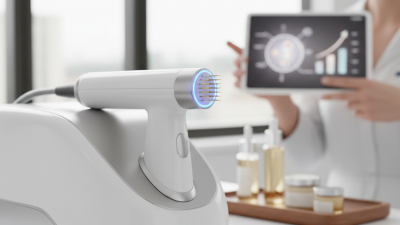
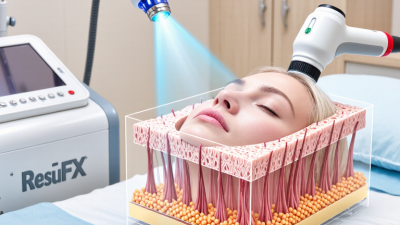
RF microneedling combines controlled needle penetration with radiofrequency energy delivered beneath the skin. The needles create precise microchannels, while RF produces heat at selected depths. This combination is designed to support collagen remodeling and skin tightening.

The main device types differ by RF pathway. Bipolar systems pass energy between nearby electrodes, allowing a more localized treatment zone. Monopolar systems use a return pathway through the body and may reach broader tissue areas. Fractional RF devices treat separated columns instead of the entire surface. Needle designs also vary. Insulated needles release energy mainly near their tips, while non-insulated needles distribute energy along more of the shaft.

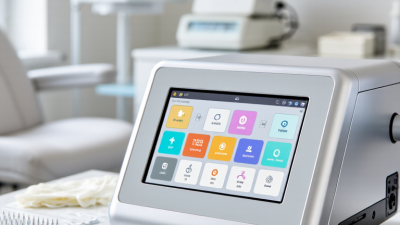
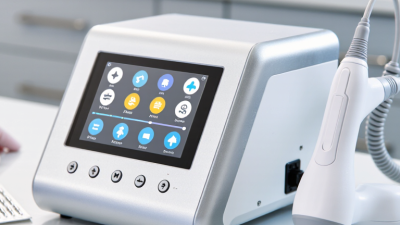
These differences matter during procurement. An experienced operator should compare adjustable depth, pulse control, needle cartridges, cooling, and treatment feedback. A clear interface helps reduce avoidable errors. It sounds basic.

For global buyers, documentation deserves equal attention. Check electrical compatibility, sterilization guidance, operator training, warranty terms, and local regulatory clearance. Ask how replacement cartridges are tracked and stored. Reliable technical support can matter more than an impressive specification sheet.

Marketing terms are not always consistent. “Fractional” can describe delivery patterns, needle layouts, or software settings. Buyers should request technical diagrams and independent performance data. I would also examine real workflow details, because a powerful device may be difficult to calibrate or uncomfortable to maintain. Test the handpiece balance, cable flexibility, and treatment visibility before making a final decision.

2026 Best RF Microneedling Devices for Global Buyers? - RF Microneedling Technology and Its Main Device Types

Device Type How RF Energy Is Delivered Typical RF Frequency Typical Needle Depth Common Needle Configuration Primary Treatment Targets Main Advantages Main Limitations Best Buyer Considerations
Fractional Bipolar RF Microneedling Two or more electrodes are positioned close together on the needle tip or within the needle array. RF current travels through a localized tissue volume. Commonly about 1–2 MHz, depending on the device design. Approximately 0.5–4.0 mm; adjustable depth is important for different facial and body areas. Usually 25–49 needles per cartridge, with insulated or partially insulated options. Fine lines, uneven texture, enlarged pores, acne-scar appearance, mild laxity and selected body-texture concerns. Precise energy delivery, adjustable depth, relatively limited surface heating and broad clinical versatility. Results depend strongly on needle placement, energy control, treatment protocol and operator training. Strong all-round option: verify depth accuracy, pulse control, cartridge availability and safety documentation.
Monopolar RF Microneedling RF current flows from the treatment handpiece through the tissue toward a separate return electrode or grounding pad. Often within the radio-frequency range used by aesthetic systems; the exact operating frequency varies by device. May reach deeper tissue layers than many bipolar configurations, subject to the specific handpiece and treatment protocol. Needle arrays vary; a compatible return electrode is generally required. Skin laxity and deeper tissue-heating applications where a larger treatment volume is desired. Potentially deeper energy distribution and suitability for larger treatment zones. Energy distribution can be less localized; grounding, treatment technique and patient selection are especially important. Choose for deeper coverage: confirm return-electrode requirements, grounding instructions and thermal monitoring.
Insulated-Needle RF The needle shaft is insulated so RF is emitted mainly from an exposed section, commonly near the tip. Frequently around 1–2 MHz in aesthetic RF systems. Approximately 0.5–4.0 mm on adjustable systems. Single or multiple insulated needles; exposed-tip length differs by cartridge. Texture irregularities, scars, pores and localized remodeling with reduced superficial heating. Concentrates RF energy at a selected depth and can help reduce unnecessary epidermal heating. Disposable cartridges may cost more, and outcomes depend on correct depth selection and insertion technique. Good for controlled depth treatment: check insulation quality, exposed-tip specifications and cartridge traceability.
Non-Insulated-Needle RF The exposed needle shaft delivers RF along much or all of the inserted portion. Commonly about 1–2 MHz, subject to system design. Often adjustable within approximately 0.5–4.0 mm. Multiple exposed needles, commonly arranged in a fractional grid. Broad dermal heating, texture improvement and selected tightening protocols. Can treat a wider vertical tissue column and may provide efficient coverage. Greater potential for superficial heating if settings, depth or technique are not appropriate. Prioritize operator control: look for adjustable pulse duration, energy level, insertion depth and cooling or monitoring features.
Motorized or Automated RF Microneedling A motorized handpiece controls needle insertion and retraction before RF delivery, usually with selectable stamping or pulse modes. Typically uses the same RF frequency range as the selected bipolar or monopolar platform. Commonly adjustable from about 0.5–4.0 mm, depending on handpiece and treatment area. Multi-needle cartridges with electronically controlled insertion and withdrawal. High-volume facial and body treatments requiring consistent spacing and repeatable delivery. Improves treatment consistency, workflow speed and depth repeatability compared with fully manual insertion. Higher purchase cost, mechanical maintenance requirements and dependence on compatible disposable cartridges. Best for busy clinics: assess motor reliability, service support, handpiece ergonomics and replacement-part availability.
Manual or Spring-Driven RF Microneedling Needle insertion is controlled manually or by a spring mechanism, while RF output is activated through the handpiece. Depends on the RF platform; many systems operate around 1–2 MHz. Usually adjustable, but depth precision varies by handpiece design and user technique. Single-use multi-needle cartridges are common. Small to medium treatment areas and clinics seeking a simpler platform. Generally simpler construction, lower maintenance complexity and potentially lower entry cost. Treatment speed and depth consistency may be lower than with motorized systems. Suitable for smaller practices: verify depth markings, trigger responsiveness and user training materials.
Global buyer checklist: Confirm the device’s intended use, local regulatory status, electrical specifications, plug type, treatment parameters, disposable-cartridge sterilization status, needle material, skin-contact safety information, warranty, service coverage, operator training and after-sales support. RF frequency, needle depth, energy range and treatment temperature vary by model; specifications should be verified in the official technical documentation before purchase.

Key Performance Features to Compare Before Buying

2026 Best RF Microneedling Devices for Global Buyers?

Global buyers should compare performance, safety, and serviceability before studying purchase prices. In practical device evaluations, needle depth control is one of the first checks. The system should provide stable, clearly marked settings for different treatment areas. A wider range is not automatically better. Consistent energy delivery matters more than impressive numbers.

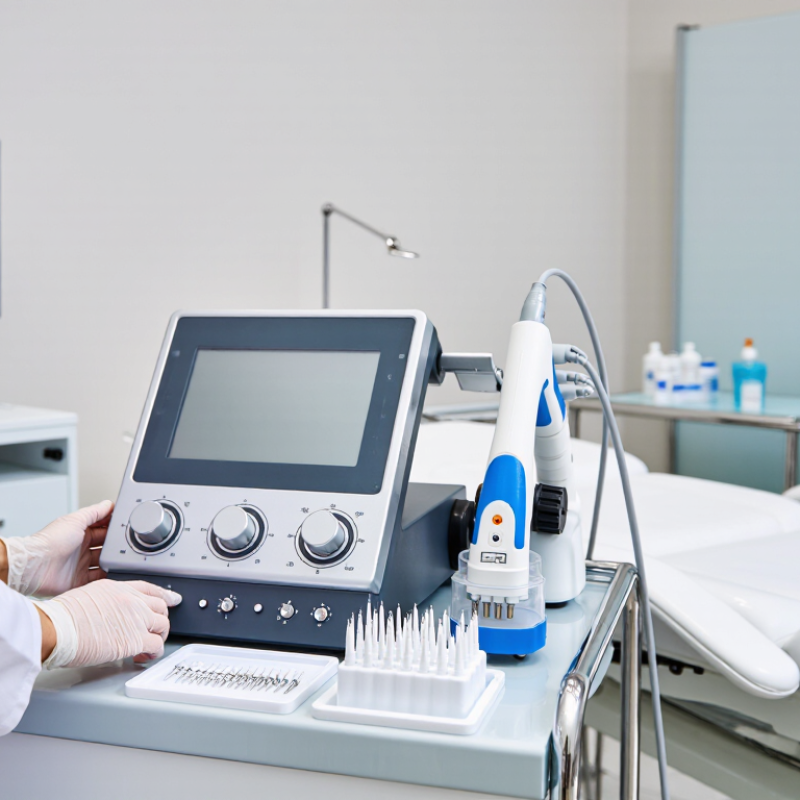
Look for controlled RF output, adjustable pulse duration, and reliable impedance monitoring. These features can help the device respond to differences in skin thickness and tissue resistance. Ask whether the handpiece maintains contact during treatment. Poor contact may create uneven results and unnecessary discomfort. Cooling, insulated or non-insulated needles, and cartridge design also deserve close inspection. Small details matter. Examine the user interface, foot pedal response, cable flexibility, and cleaning requirements. A complicated screen can slow operators during a busy clinic day.

Global purchasing requires more than technical specifications. Verify electrical certifications, local registration requirements, labeling, warranty terms, and replacement cartridge availability. Confirm that training materials are understandable for the intended users. A responsive service team can be more valuable than an extra operating mode. I would also request test data, calibration records, and independent safety documentation. Marketing claims often sound precise, yet real-world performance may vary with technique, skin condition, and maintenance. That limitation should be stated clearly. I still question any device promising identical outcomes for every patient. Ethical operation requires trained professionals, appropriate assessment, informed consent, and careful aftercare instructions.

Best RF Microneedling Devices for Different Global Markets

RF microneedling devices must match the market, not only the treatment goal. Buyers in North America often prioritize detailed clinical documentation, operator training, and responsive technical support. European clinics may examine conformity records, electrical safety, and data protection procedures. In Asian markets, compact design, precise energy control, and suitability for varied skin types can influence purchasing decisions. Middle Eastern and Latin American buyers may value multilingual training, durable construction, and reliable shipping support.

Device selection should include adjustable needle depth, stable radiofrequency delivery, and clear safety controls. Insulated and non-insulated needle options may support different treatment approaches. Cooling systems can improve comfort, but they do not replace proper technique. Clinics should also check cartridge availability, handpiece maintenance, voltage compatibility, and warranty coverage. A lower purchase price can become expensive when replacement parts are difficult to obtain.

Tips: Ask for independent testing, user training records, and transparent operating instructions. Confirm local regulatory requirements before importing or selling any device. Review the supplier’s complaint process and service response times. Do not rely on attractive before-and-after images alone. In practice, buyers sometimes overlook staff skill levels and room conditions. That is a costly mistake. No device fits every market perfectly, and even strong specifications require local clinical judgment.

Safety Standards, Certifications, and Regulatory Requirements

2026 Best RF Microneedling Devices for Global Buyers?

Safety Standards, Certifications, and Regulatory Requirements

A reliable RF microneedling device needs more than an attractive specification sheet. Buyers should request the manufacturer’s quality-management certificate, usually aligned with ISO 13485. Electrical safety should be supported by testing under IEC 60601-1, while electromagnetic compatibility matters in busy clinics. Small details matter. Check the treatment handpiece, foot pedal, cables, and emergency stop.

Regulatory status depends on the destination market and the device’s intended use. A CE marking under the applicable European Medical Device Regulation may require technical documentation, risk management, clinical evidence, and post-market surveillance. In the United States, clearance requirements can differ from registration requirements. Other regions may request local approval, an authorized representative, import records, or product labeling in the local language. Never treat one certificate as global permission.

Consumable needle tips deserve close attention. Ask for biocompatibility evidence, sterility validation, batch numbers, expiration dates, and clear instructions for single use. Verify whether the RF energy is insulated, partially insulated, or non-insulated, because tissue effects and training needs can differ. I would also compare adverse-event procedures, warranty terms, calibration records, and operator training. A polished certificate can still be incomplete. This is where buyers may overlook risk. Before ordering, have a qualified regulatory professional confirm the device classification and required approvals in each target country.

How to Select, Purchase, and Maintain an RF Microneedling Device

2026 Best RF Microneedling Devices for Global Buyers?

RF microneedling demand is growing, but buying decisions need more than market excitement. The 2024 ISAPS Global Survey recorded over 19 million nonsurgical aesthetic procedures worldwide. Grand View Research valued the global medical aesthetics market at approximately USD 15.4 billion in 2023. These figures show demand, not automatic device quality. Buyers should compare energy delivery, needle depth control, pulse consistency, treatment speed, and patient monitoring features.

Ask for regulatory documentation for the destination market. Check electrical safety certifications, quality-management records, clinical evidence, and operator training requirements. A supplier should explain cartridge sterility, replacement costs, warranty coverage, and technical response times. Do not judge performance from a polished demonstration. Request test results under defined settings. A low purchase price can become expensive when cartridges arrive late or calibration support is unavailable.

Maintenance must be planned before installation. Follow the manufacturer’s cleaning instructions, protect the handpiece from liquid entry, and use approved single-use cartridges. Record device inspections, software updates, error codes, and service dates. IEC 60601-1 provides a recognized framework for medical electrical equipment safety, while ISO 13485 supports quality-management processes. Local rules still apply. No checklist is perfect. I would also review staff feedback after the first month, because awkward controls and unclear displays can create avoidable operating mistakes.

Lumenis logo