How to Achieve Glowing Skin with Microneedling and Radiofrequency?
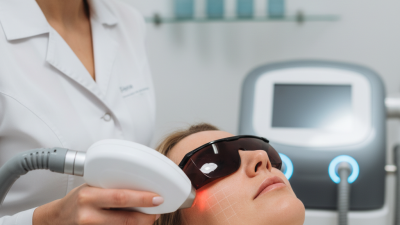
Achieving glowing skin is a common goal for many. One of the most promising techniques emerging in the skincare industry is microneedling with radiofrequency. According to the American Society for Dermatologic Surgery, 85% of patients reported visible improvement after undergoing this treatment. Microneedling creates micro-injuries, stimulating collagen production, while radiofrequency further enhances skin tightening and rejuvenation.
Clinical studies indicate that combining these two modalities can lead to superior outcomes. A report from the Journal of Cosmetic Dermatology suggests that patients experience enhanced skin texture and reduced scars after a series of sessions. While the effectiveness is notable, individual experiences may vary, and results can depend on skin type and the practitioner’s expertise.
Understanding that this treatment may not be suitable for everyone is essential. Not every practitioner is skilled, and results can differ significantly. Patients may encounter some level of redness and minor discomfort post-treatment. It is crucial to weigh these factors carefully before proceeding. Balancing expected outcomes with potential risks can lead to better personal skincare journeys.
Understanding Microneedling: How It Works for Skin Health
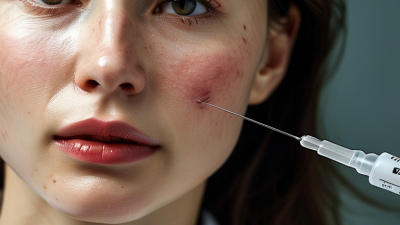
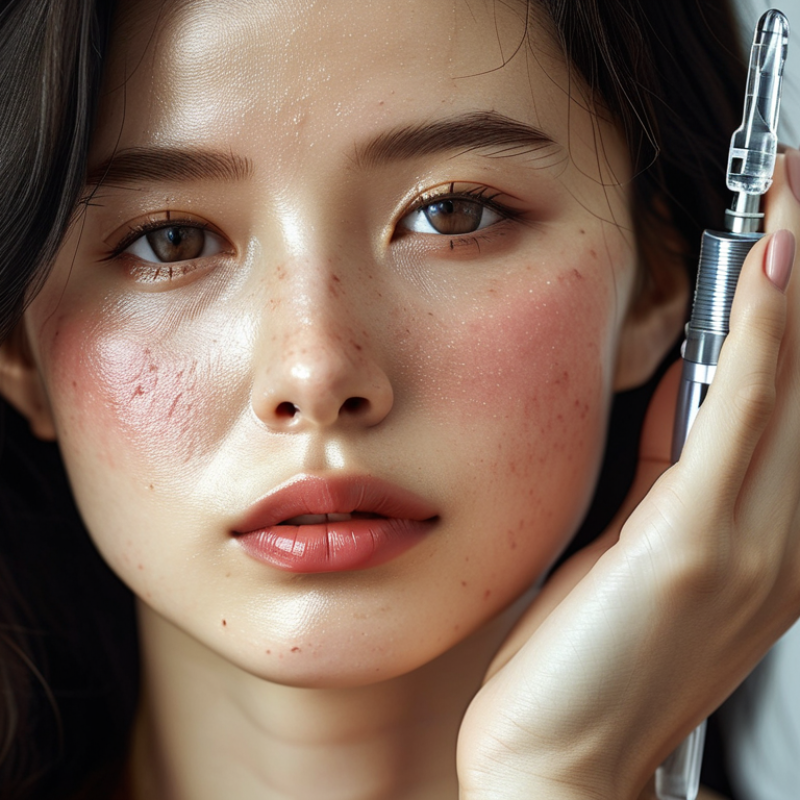
Microneedling is gaining recognition as a powerful technique for skin rejuvenation. It involves creating tiny punctures in the skin using fine needles. According to the American Society of Plastic Surgeons, this process boosts collagen production by about 400%. Increased collagen can lead to smoother, firmer skin, reducing the appearance of scars, wrinkles, and fine lines.
The procedure also enhances the skin's texture and tone. Many patients report visible improvements within weeks. However, results can vary. It's essential to have realistic expectations. Some individuals may require multiple sessions for optimal results, while others might experience minimal discomfort. Studies show that about 70% of users see significant enhancement over time, but those with darker skin tones should consult experts to avoid potential complications.
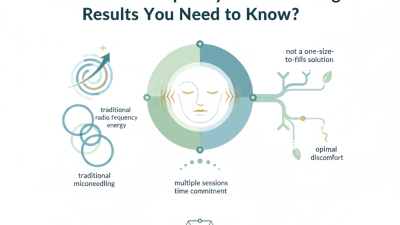
Radiofrequency, when used alongside microneedling, offers additional benefits. This combination can improve skin elasticity and tighten loose skin. Industry data suggest that clients often achieve a more radiant appearance. However, both techniques are not a one-size-fits-all solution. A personalized approach is crucial. Consulting with a trained professional can help tailor treatments effectively for individual skin needs.
How Microneedling and Radiofrequency Improve Skin Health
The Role of Radiofrequency in Skin Treatment and Rejuvenation
Radiofrequency (RF) technology has emerged as a significant player in skin treatment and rejuvenation. It uses controlled heat to stimulate collagen production. This process can tighten the skin and improve its overall texture. According to a study published in the Journal of Cosmetic Dermatology, over 70% of participants noted visible improvements in skin elasticity after RF treatments. This highlights its effectiveness in achieving a youthful appearance without invasive procedures.
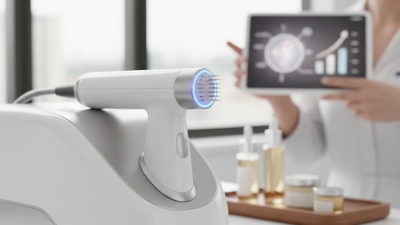
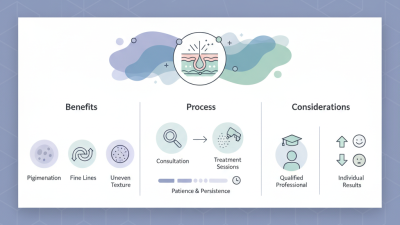
Microneedling, when combined with RF, further enhances the treatment. The microneedles create micro-injuries to the skin, promoting healing and absorption of RF energy. This dual-action approach allows for deeper penetration of treatments. As reported by dermatologists, patients experience a remarkable glow post-treatment, with over 80% expressing satisfaction. It's an innovative method to rejuvenate skin, particularly for those with concerns like fine lines and uneven texture.
Before diving into these treatments, consider a few essential tips. Hydration is vital for skin recovery, so drink plenty of water before and after sessions. Consult with a professional to understand your skin type and tailor treatments accordingly. Setting realistic expectations is crucial; visible results may take time. Keep in mind that individual responses vary. You may not see the same level of improvement as others, which is completely normal.
Combining Microneedling and Radiofrequency: Benefits for Glowing Skin
Microneedling and radiofrequency treatments offer a powerful combination for achieving glowing skin. Microneedling creates tiny micro-injuries in the skin, stimulating collagen production. This natural healing process helps improve skin texture and tone. As skin repairs itself, it can look rejuvenated and fresh. The procedure is often described as minimally invasive and generally safe.
Radiofrequency adds another layer of effectiveness. It heats the underlying skin layers, promoting tighter skin and reducing wrinkles. This treatment stimulates collagen and elastin production, enhancing the results of microneedling. Combining these methods can lead to smoother, firmer, and more radiant skin. Many people report visible improvement after just a few sessions.
However, results may vary based on individual skin types and conditions. Some may experience slight redness or swelling post-treatment. It's essential to set realistic expectations. Consulting with a qualified professional is crucial to developing an individualized plan. Aftercare plays a vital role in achieving the desired outcome. Following guidelines can enhance recovery and results, further contributing to lasting glowing skin.
Preparation and Aftercare for Optimal Results from Treatments
Preparing for microneedling and radiofrequency treatments is crucial for achieving glowing skin. Start with a proper consultation. A qualified practitioner will assess your skin condition. They will discuss your goals and expectations. It's essential to be honest about your skincare routine and any products you use. This transparency ensures the safest and most effective treatment.
Leading up to your appointment, avoid skincare products that can irritate your skin. This includes retinoids and acids. Hydration is key, so drink plenty of water. Also, protect your skin from sun exposure. Wear sunscreen diligently in the days before treatment. Aftercare is equally important. Following the procedure, your skin may feel sensitive. Use gentle cleansers and moisturizers. Avoid scrubbing or exfoliating for at least a week.
Many people forget to adjust their routines post-treatment. It's easy to fall back into old habits. Staying consistent with hydration and sunscreen is essential. Over time, it will reflect in your skin's appearance. Pay attention to any signs of irritation and reach out to your practitioner if needed. Caring for your skin is an ongoing journey. Embrace the process for optimal results.
Potential Risks and Side Effects to Consider Before Proceeding
Microneedling combined with radiofrequency is popular for achieving glowing skin. However, potential risks and side effects warrant careful consideration. Skin sensitivity, redness, and swelling commonly occur post-treatment. According to the Journal of Cosmetic Dermatology, about 20% of patients experience these reactions for several days.
Infection is another concern, as needles create tiny wounds. The American Society for Dermatologic Surgery highlights that while rare, skin infections can happen. Additionally, those with certain skin conditions or a history of keloids should approach this treatment cautiously. Skin discoloration might also arise, particularly in darker skin tones.
It’s important to consult a qualified practitioner. They can assess your skin type and devise a suitable plan. Prepare your skin beforehand. Moisturizing and avoiding sun exposure can help reduce side effects. Be aware of the recovery time; many need a week to see optimal results. Always listen to your skin. If any adverse symptoms develop, seek professional advice immediately. Your goal for radiant skin should include safety as a priority.