Top 10 Benefits of Ablative Laser Resurfacing for Skin Tightening?
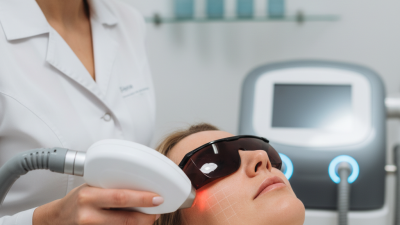
Ablative laser resurfacing offers a powerful solution for skin tightening. This innovative procedure uses precision lasers to remove layers of damaged skin. The result is a refreshed, youthful appearance. It can address fine lines, wrinkles, and uneven skin texture.
Many patients report significant improvements in their skin's firmness. Ablative laser resurfacing stimulates collagen production. This natural process helps the skin regain its elasticity over time. Unlike non-ablative methods, it provides more visible results. However, the recovery process can be challenging and requires patience.
Understanding the benefits is crucial before deciding on this treatment. It is essential to consult qualified professionals who specialize in ablative laser resurfacing. Their expertise ensures that patients receive tailored care that meets their specific needs. While the benefits are numerous, potential risks should also be considered. Balancing these factors leads to informed decisions about skin rejuvenation.
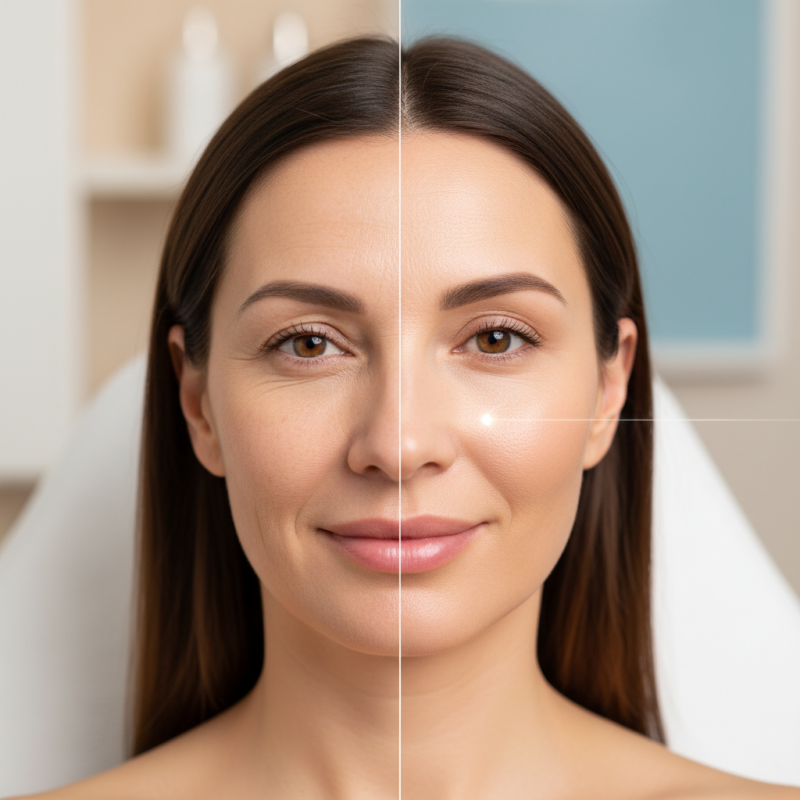
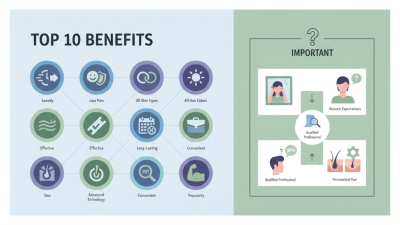
Top 10 Benefits of Ablative Laser Resurfacing for Skin Tightening
Ablative laser resurfacing has gained popularity for its remarkable skin tightening benefits. This procedure uses targeted laser energy to remove layers of damaged skin. The approach stimulates collagen production, promoting tighter, smoother skin. Many people notice a visible improvement in skin texture and elasticity after just one treatment.
When considering ablative laser resurfacing, it's essential to approach recovery with care. Post-treatment, the skin may appear red and swollen. Moisturizing is crucial during the healing process. Avoid sun exposure to reduce the risk of pigmentation issues.
Before proceeding, consult a qualified dermatologist. They can assess your skin type and recommend the best treatment plan. Understand that individual results can vary. Some may experience slight discomfort during the procedure, while others find it more manageable.
Tracking your recovery progress can provide insight into the treatment's effectiveness. If you're considering this option, research and evaluate potential side effects. This ensures you make an informed decision. Prioritize your skin health and weigh the benefits against any concerns you may have.
Top 10 Benefits of Ablative Laser Resurfacing for Skin Tightening
| Benefit |
Description |
| Skin Tightening |
Stimulates collagen production, resulting in firmer skin. |
| Smoother Texture |
Reduces roughness and improves overall skin texture. |
| Wrinkle Reduction |
Diminishes fine lines and deeper wrinkles for a youthful appearance. |
| Scar Treatment |
Helps reduce the appearance of acne scars and other types of scarring. |
| Improved Pigmentation |
Addresses uneven skin tone and discoloration. |
| Reduced Pore Size |
Minimizes the appearance of enlarged pores for smoother skin. |
| Long-Lasting Results |
Results can last for years with proper skin care maintenance. |
| Customizable Treatments |
Treatment can be tailored to individual skin types and conditions. |
| Quick Recovery |
Most patients experience minimal downtime compared to traditional methods. |
| Non-invasive Option |
Less invasive compared to surgical procedures with significant results. |
Understanding the Ablative Laser Resurfacing Procedure and Techniques
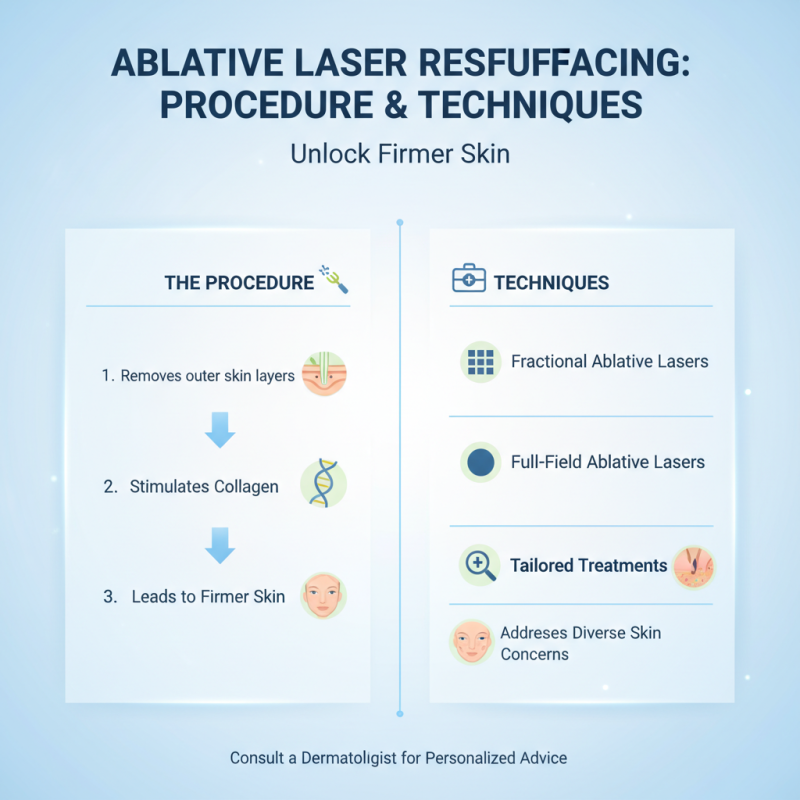
Ablative laser resurfacing is a popular choice for skin tightening. This procedure involves using a laser to remove the outer layers of skin. It stimulates collagen production, leading to firmer skin over time. Many techniques exist within this category, allowing doctors to tailor treatments to different skin types and concerns.
The process begins with a thorough consultation. Doctors assess skin conditions and recommend appropriate techniques. For instance, CO2 lasers target deeper layers, while Erbium lasers focus on surface issues. Patients often report immediate tightening effects, but results improve gradually. Downtime varies depending on the intensity of the treatment, which can be challenging for some individuals.
Post-procedure care is essential. Patients need to follow specific guidelines to minimize risks and enhance healing. Redness and peeling are common but temporary side effects. It's crucial for patients to manage expectations. While many experience significant benefits, not everyone achieves the same results. Open communication with the provider can help address concerns and enhance satisfaction with the treatment.
Clinical Outcomes: Effectiveness of Ablative Laser Resurfacing on Skin Tightening
Ablative laser resurfacing has gained attention for its effectiveness in skin tightening. This technique removes the outer layers of skin, encouraging new cell growth. The procedure stimulates collagen production, which is essential for maintaining skin elasticity and firmness. Many clinical studies have shown visible improvements in skin texture and tightness following treatment.
The results can vary. While some patients report significant tightening, others see more modest effects. Individual responses depend on factors such as age, skin type, and the severity of skin laxity. It's essential to manage expectations. Post-treatment care is vital for optimal outcomes and may require downtime. Despite these considerations, many find the benefits outweigh the challenges.
Patients often observe smoother and more youthful skin post-procedure. However, some may experience redness or swelling initially. These effects typically subside within a week. A thorough consultation with a qualified professional can help determine if this treatment aligns with individual skin goals.
Top 10 Benefits of Ablative Laser Resurfacing for Skin Tightening
Comparative Analysis of Ablative vs. Non-Ablative Laser Treatments
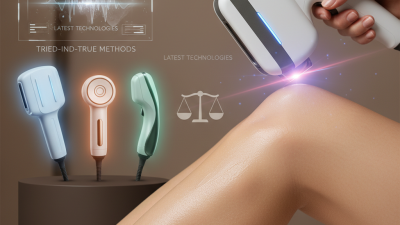
Ablative and non-ablative laser treatments target skin rejuvenation but differ significantly. Ablative lasers, such as CO2 lasers, remove layers of skin to promote healing. This can provide dramatic improvements in texture and tightness. Patients often note a more youthful appearance after a single session.
Non-ablative treatments, however, work differently. They penetrate the skin without removing the top layer. This method requires less downtime, making it appealing for those with busy schedules. The results, while effective, are typically subtler compared to ablative options.
When considering these procedures, think about your goals. Are you looking for immediate results? Ablative options may be better. Do you prefer a gentler approach with gradual improvement? Non-ablative could be more suitable.
Tips: Before deciding, consult with a certified dermatologist. They can help evaluate your skin type and needs. Also, consider your lifestyle. If time is a factor, non-ablative treatments may fit better. Always discuss potential side effects and recovery times for each option. Your skin deserves the best care possible.
Safety Profile and Recovery Time for Ablative Laser Skin Resurfacing
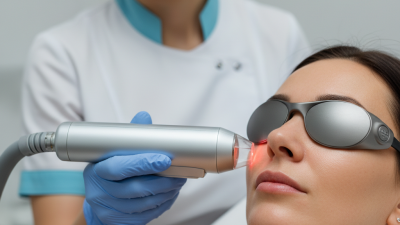
Ablative laser resurfacing is growing in popularity for skin tightening. Its safety profile is crucial for potential patients. This procedure uses targeted laser beams to remove outer skin layers. This promotes collagen production, helping tighten loose skin. Recovery time typically lasts from a few days to two weeks.
During the healing process, expect redness and swelling. It is essential to keep the treated area clean. Using gentle cleansers and moisturizers aids in recovery. Those considering this treatment should consult a qualified dermatologist. Some might experience pigmentation changes or scarring. Understanding these risks is vital before proceeding.
Tips for post-treatment care are essential. Stay hydrated and use sunscreen. Protecting healing skin from sun exposure is critical. Avoid strenuous activities for the first few days to reduce complications. Listening to your body during the recovery phase is important. Each individual’s experience may vary, and it’s okay to feel uncertain.