Top 10 Benefits of Q Switched ND YAG Laser Treatments for Skin Rejuvenation?
In recent years, the popularity of skin rejuvenation treatments has surged. The q switched nd yag laser stands out as a pivotal solution in this domain. According to a report by the American Society for Aesthetic Plastic Surgery, non-surgical procedures saw a 22% increase in 2022. This surge indicates a growing public interest in effective skin treatments.
The q switched nd yag laser offers numerous benefits, making it a preferred choice among dermatologists. This laser is renowned for its effectiveness in treating pigmentation issues, acne scars, and wrinkles. It operates by delivering high-energy pulses that target specific skin layers without harming surrounding tissues. Clinical studies suggest a 75% satisfaction rate among patients post-treatment, confirming its reliability.
Despite its advantages, it is essential to approach these treatments with caution. Potential side effects and varying results necessitate thorough consultations with certified professionals. Skincare routines should also be evaluated to enhance laser treatment outcomes. Understanding both the benefits and limitations of q switched nd yag laser is crucial for achieving desired results. Embracing this technology requires informed decisions for optimal skin health.
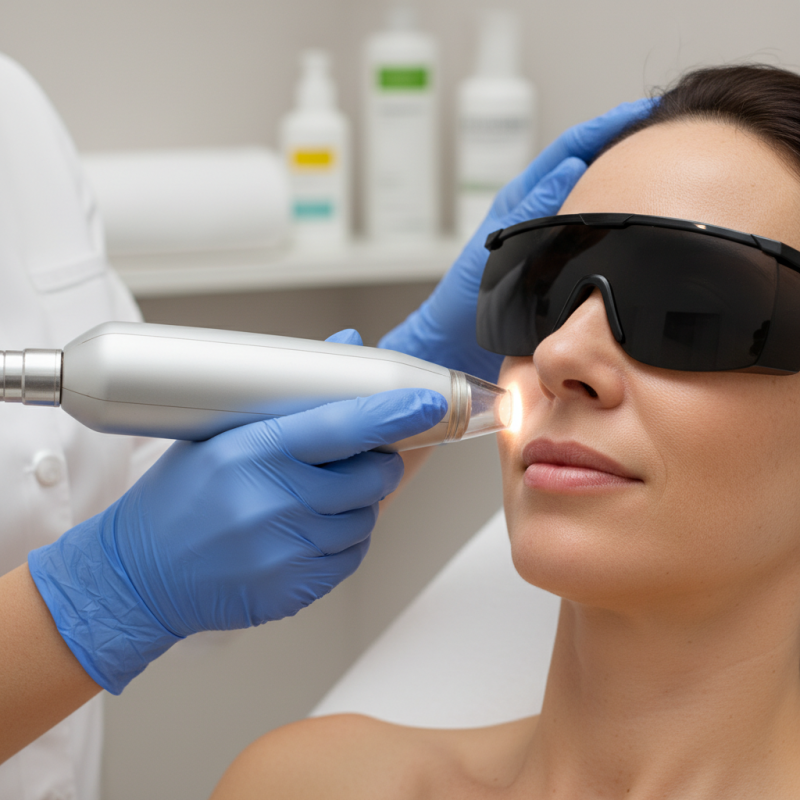
Overview of Q Switched ND YAG Laser Technology in Skin Rejuvenation
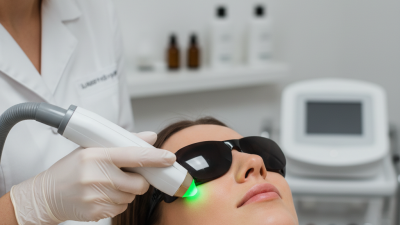
Q Switched ND YAG laser technology is gaining recognition in the field of skin rejuvenation. This advanced laser treatment works by emitting high-intensity pulses of light to target specific skin issues. It effectively penetrates the skin's layers to stimulate collagen production, aiding in skin texture improvement. The result is a fresher, more youthful appearance.
The versatility of Q Switched ND YAG lasers is impressive. They can reduce pigmentation, fine lines, and acne scars. The treatment is non-invasive, making it appealing to those hesitant about surgical options. Patients often describe the sensation as a series of small snaps against the skin. Recovery time is minimal, allowing individuals to return to daily activities quickly.
Tips: Always consult a certified dermatologist before undergoing treatment. This helps ensure suitability for your skin type. Additionally, take aftercare seriously. Proper skincare post-treatment can enhance results and minimize discomfort. Remember, while the procedure is effective, results vary. Be prepared for some reflection on your skin's unique needs.
Key Advantages of Q Switched ND YAG Laser for Skin Health
The Q Switched ND YAG laser is a powerful tool in skin rejuvenation. It effectively targets pigmentation, tattoos, and skin imperfections. According to a study published in the "Journal of Cutaneous Laser Therapy," patients reported a 75% improvement in skin texture after multiple sessions. This is a significant statistic that highlights the laser's efficacy.
One of its key advantages is minimal downtime. Many patients return to their daily activities within hours. This is crucial for those with busy lifestyles. Another benefit is its ability to stimulate collagen production, which is vital for skin health and elasticity. In fact, research indicates collagen levels can increase by up to 30% following treatment. However, not all individuals may achieve the same results.
There are risks and side effects, such as temporary redness or swelling. It's essential for potential patients to have a thorough consultation with a qualified dermatologist. This ensures the treatment aligns with their skin type and concerns. While the advantages are compelling, it is wise to approach any treatment with informed caution.
Comparative Effectiveness: Q Switched ND YAG Laser vs Other Treatments
Q Switched ND YAG laser treatments stand out for their effectiveness in skin rejuvenation. When compared to other treatments, they offer unique benefits. This laser specifically targets pigment cells, making it excellent for conditions like sun spots and melasma. Unlike some chemical peels or microdermabrasion, it provides targeted results without extensive downtime.
One significant advantage is reduced risk of scarring. Laser treatments deliver precision that non-laser methods often cannot achieve. Patients experience quicker recovery times. This aspect allows individuals to resume daily activities sooner. The laser’s ability to stimulate collagen production also contributes to long-lasting skin improvements.
Tips: Maintain hydration and use sunscreen for optimal results post-treatment. Some might find their skin more sensitive following the procedure. It’s essential to avoid harsh products in the days after treatment. Regular follow-ups with a qualified specialist can help track progress and adjust treatment plans. Always discuss your skin concerns openly to find the best approach tailored for you.
Potential Side Effects and Safety Measures During Treatment
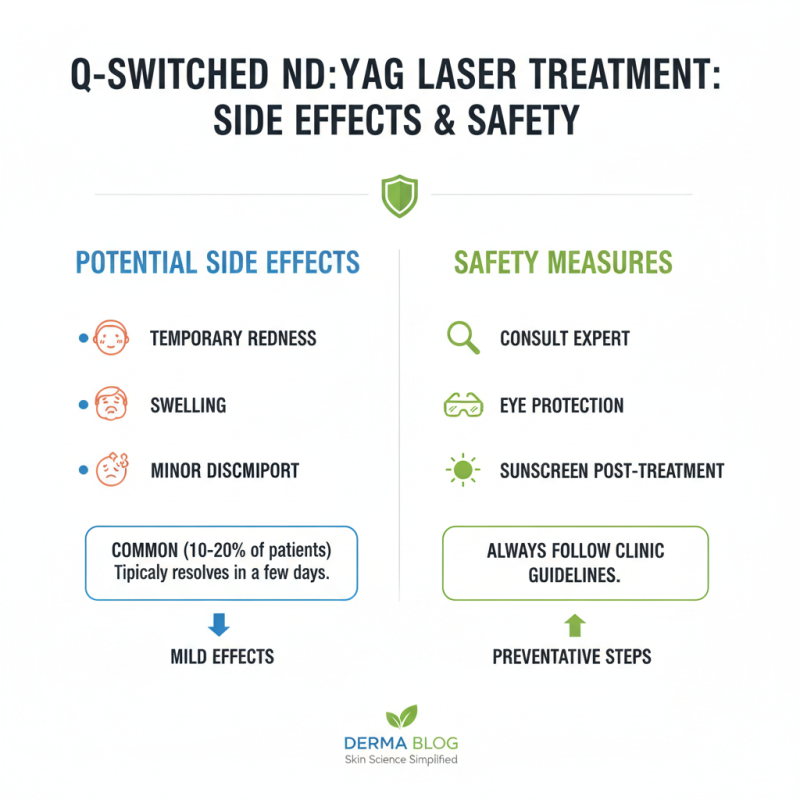
Q-Switched ND YAG laser treatments are popular for skin rejuvenation. However, potential side effects must be considered. Common issues include temporary redness, swelling, and minor discomfort. Reports indicate that about 10-20% of patients may experience these mild effects. These side effects typically resolve within a few days.
It's essential to follow safety measures during treatment. Consulting with a certified dermatologist is crucial. They can provide a skin assessment and determine your suitability for the procedure. Observing pre-treatment guidelines, like avoiding sun exposure, can significantly reduce risks. After treatment, using sunscreen diligently helps prevent complications.
Patients often report itching or dryness after the session, which requires attention. This discomfort can remind us that even effective treatments necessitate caution. Continuous monitoring of skin responses post-treatment is vital. It's not unusual for individuals to desire faster results, but patience is key to safely achieving the best outcome.
Post-Treatment Care for Optimal Results with Q Switched ND YAG Laser
Post-treatment care is essential for achieving optimal results with Q Switched ND YAG laser treatments. After the session, your skin may feel sensitive. It's crucial to avoid direct sunlight and wear sunscreen. This will protect the treated area from UV damage. Hydration is also key. Drink plenty of water to help your skin recover.
Moisturizers play a critical role in post-care. Applying a gentle, fragrance-free moisturizer can soothe the skin. Avoid harsh products that could exacerbate irritation. Some individuals might notice peeling or redness. It’s a natural process, so resist the urge to pick at your skin. Listen to your body and give it time to heal.
Regular follow-ups with your skincare professional can enhance your results. They can offer personalized advice and modifications to your care routine. Keeping a balanced diet can also aid in skin rejuvenation. Nutrient-rich foods support healing. Each skin type is different, so it’s important to find what works for you. Celebrate small improvements, but remain patient throughout this journey.