How to Buy Lumenis LightSheer in 2026?
Buying lumenis lightsheer in 2026 requires more than comparing online prices. It requires evidence, inspection, and careful planning. Grand View Research reported strong growth in the global laser hair removal market, driven by clinic demand and improved device technology. The International Society of Aesthetic Plastic Surgery also recorded millions of nonsurgical aesthetic procedures worldwide in its 2023 report. These figures suggest sustained demand, but they do not guarantee that every seller is reliable.
Dr. Michael H. Gold, a board-certified dermatologic surgeon and Lumenis clinical expert, has often emphasized, “The best laser is the one that is appropriate for the patient and the indication.” That principle matters when evaluating lumenis lightsheer models. Check the exact model, treatment wavelength, cooling system, handpiece condition, pulse count, and software status. Ask for service records and proof of authorized distribution. A discounted device may look attractive. It may also carry hidden repair costs.
The buying process should include regulatory verification, staff training, warranty terms, and local technical support. Confirm whether the equipment is new, refurbished, or previously leased. Request a live demonstration, not only polished photographs. Examine the console, fiber connection, cooling outlet, and treatment window closely. A serious supplier should explain clinical limitations and patient-screening requirements. No buying guide is perfect. Market reports can become outdated, and seller claims can be incomplete. Independent verification remains essential before payment. According to Grand View Research and ISAPS, market growth is real, but responsible purchasing still depends on documented evidence, qualified professionals, and realistic treatment expectations.
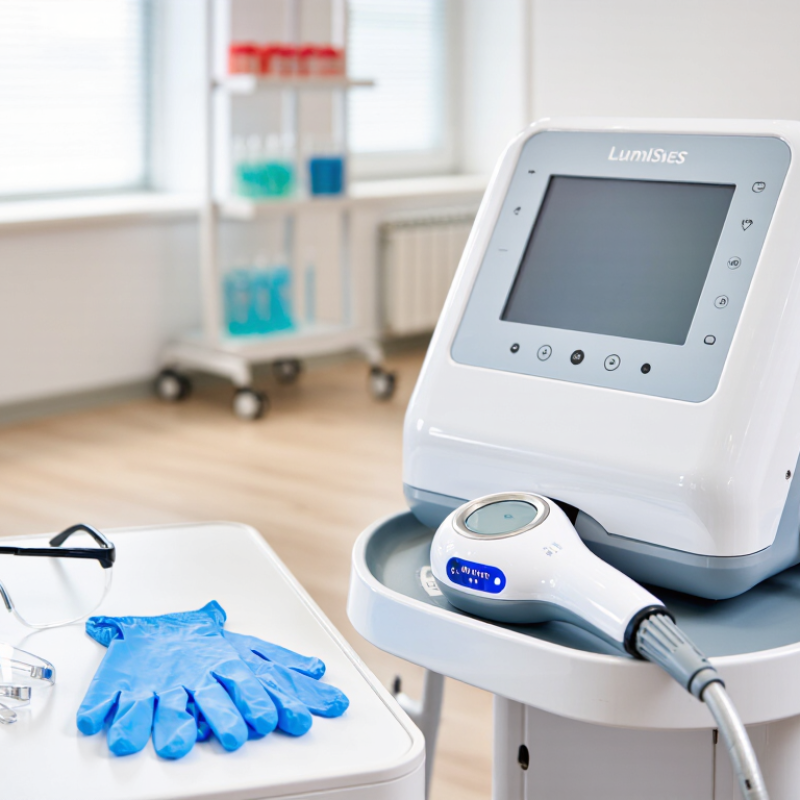
Identify the Right Lumenis LightSheer Model for Your Treatment Goals
Choosing the right 808-nanometer diode laser model starts with the treatment goal, not the equipment catalogue. For coarse, dark hair on the back or legs, select a system offering higher fluence, adjustable pulse widths, and a larger spot size. Larger spots can shorten treatment time. For facial areas, smaller handpieces and precise cooling are usually more practical. Darker or recently tanned skin requires careful parameter selection, strong epidermal cooling, and conservative test spots. A qualified practitioner should assess skin type, hair density, medications, and pigment risk before treatment.
Performance claims need context. Grand View Research estimated the global laser hair-removal market at approximately US$1 billion in 2023, reflecting strong demand but not guaranteed clinical results. The 2023 ISAPS Global Survey also reported more than one million laser hair-removal procedures worldwide. These figures show market activity, not proof that every model suits every patient. Ask for wavelength specifications, pulse-duration ranges, cooling technology, service records, and regulatory clearance in your region. Request before-and-after evidence from comparable skin tones and hair types. That detail matters.
Do not choose only by power.
A larger spot may improve speed, yet it can reduce precision around the upper lip. A compact model may feel safer for small zones, but sessions can take longer. In practice, treatment quality depends on calibration, operator training, and consistent follow-up. I would also question vague claims about “permanent” results; hormonal changes and maintenance sessions can alter outcomes. The right model is the one matching the patient profile, treatment area, and provider’s verified experience.
Verify Seller Credentials, Product Authenticity, and Regulatory Compliance
How to Buy Lumenis LightSheer in 2026?
Before paying, verify who is selling the laser system. Ask for the company’s registered business details, a physical service address, and references from clinics that have bought similar equipment. Call those clinics independently. A polished website is not proof. Request a written quote that identifies the exact model, included handpieces, accessories, and warranty terms. Check that the serial number on the device matches the purchase documents and can be confirmed through the manufacturer’s authorized support channel.
Inspect the equipment in person when possible. Review maintenance logs, service reports, operating hours, and any repair history. Ask a qualified technician to examine the handpiece, cooling system, cables, and emergency stop. Small wear marks may be normal; missing records deserve more scrutiny. I would not rely on photos alone, even if they look convincing. That can be inconvenient, but it is safer than discovering a fault after delivery.
Regulatory requirements vary by country and sometimes by region. Confirm that the exact model is permitted for clinical use where your practice operates, and check registration or conformity documents with the relevant health authority. Verify that the intended operator meets local training requirements, too. Keep invoices, inspection findings, and correspondence in one file. If the seller pressures you to skip checks, pause the purchase. A careful delay is cheaper than a costly surprise.
Evaluate Pricing, Warranty Coverage, Training, and Technical Support
Buying a professional hair-removal laser in 2026 requires more than comparing asking prices. Request an itemized quote covering the handpiece, delivery, installation, software, and any required accessories. Ask for service rates in writing. A low purchase price can hide costly repairs or unavailable parts. The American Society of Plastic Surgeons’ 2023 procedural statistics recorded about 887,000 laser hair-removal procedures in the United States. That figure signals substantial clinical use, but it does not guarantee demand at your location. Check local booking patterns before projecting revenue.
Warranty terms deserve close reading. Confirm the coverage period, included components, labor charges, travel fees, and response times. Ask whether coverage transfers with a pre-owned device. Get exclusions in writing, especially for handpieces and consumables. Small details matter. Request a sample service ticket and speak with two current users about repair delays. Their experiences may differ, and one poor review is not proof of a wider problem.
Training should include hands-on practice with the actual system, safety procedures, patient selection, and treatment documentation. Ask who teaches, how many staff members can attend, and whether refresher sessions cost extra. For technical support, verify hours, remote troubleshooting options, and access to qualified technicians. The U.S. FDA’s 2024 guidance on laser products emphasizes user information and safety controls; use it as a reference when reviewing training materials. I would also test the support line before signing. It is an imperfect check, but unanswered questions before purchase rarely become easier afterward.
How to Evaluate a Professional Laser Purchase in 2026
Suggested planning weights for comparing total cost, warranty, training, and technical support.
The percentages are a buyer-planning framework, not market research or a product quote. Request written warranty terms, itemized pricing, training details, and support response commitments from each seller before deciding.
Complete the Purchase and Arrange Delivery, Installation, or Treatment Use
After choosing a suitable light-based hair-removal system, confirm exactly what the purchase includes.
Ask for the unit’s age, operating hours, service history, handpiece condition, and any fault records. Request clear photos of the console, cables, and treatment accessories. A neat exterior can hide wear.
I learned that the hard way.
Get the delivery terms in writing before paying.
Confirm who arranges freight, insures the shipment, and handles unloading at your address. Check door widths, stairs, lift access, and floor capacity; a delivery team may not move equipment beyond the entrance. Agree on what happens if the unit arrives damaged or incomplete. Keep the invoice, serial number, and signed delivery record together.
Plan installation with a qualified service professional,
and verify that the room’s power supply, ventilation, and space meet the manufacturer’s specifications. Ask for setup, safety checks, and hands-on training before clinical use. Do not rely on a quick video call alone. Staff should understand screening, eye protection, maintenance, and emergency procedures, and follow applicable local requirements. If you are buying for personal treatment, consult a licensed provider rather than attempting procedures without appropriate training.
That distinction matters. A rushed purchase can become an expensive lesson.