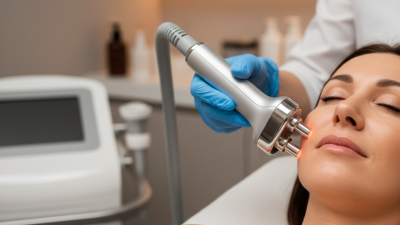
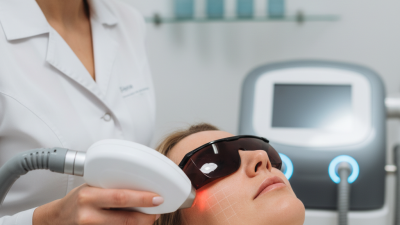
2026 How to Choose the Best Diode Laser Hair Removal Treatment?
As the popularity of diode laser hair removal rises, consumers face a plethora of options. According to a report by Grand View Research, the global market for laser hair removal was valued at over $680 million in 2020 and is expected to grow significantly. This surge is driven by increasing demand for long-term hair removal solutions. Dr. Emily Chen, a leading expert in dermatology, once stated, "Choosing the right diode laser system can significantly enhance treatment efficacy and patient satisfaction."
When considering diode laser hair removal, it's crucial to evaluate the technology used. Different devices operate at various wavelengths and energy levels. These factors directly impact treatment outcomes. Many devices offer a “cooling feature,” which claims to reduce discomfort during the process. However, not all technologies perform equally well. A thorough understanding enhances the decision-making process.
Consumers should also consider the experience of the practitioner. A well-trained professional can make a substantial difference in the overall treatment experience. Moreover, it's essential to reflect on possible side effects and skin types suited for diode laser treatments. Not every skin type is ideal for this method, and recognizing this can lead to better results. Balancing effectiveness and safety is key in making an informed choice.
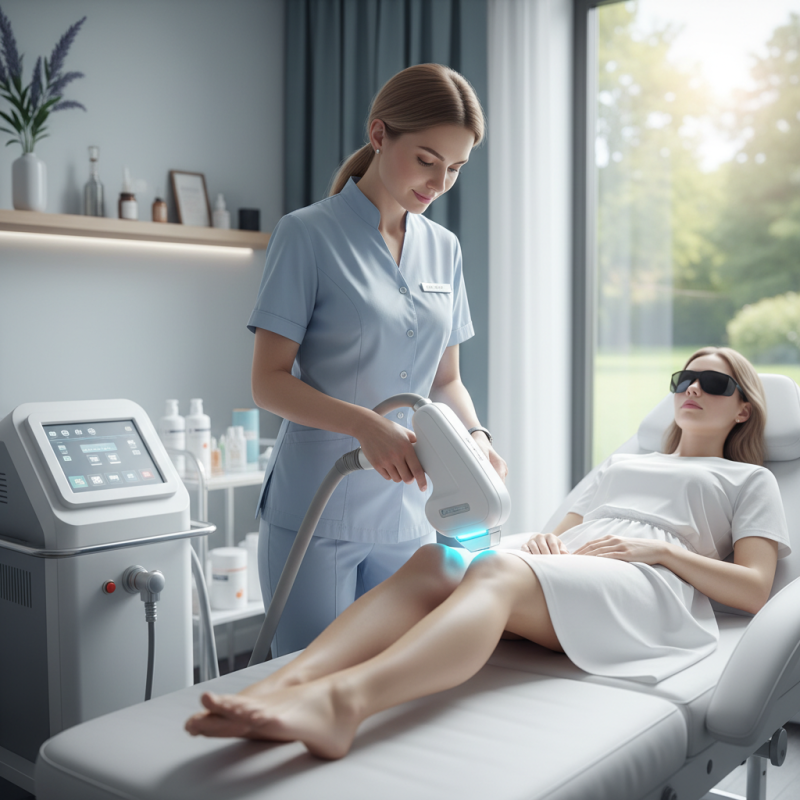
Understanding Diode Laser Hair Removal: An Overview of the Technology
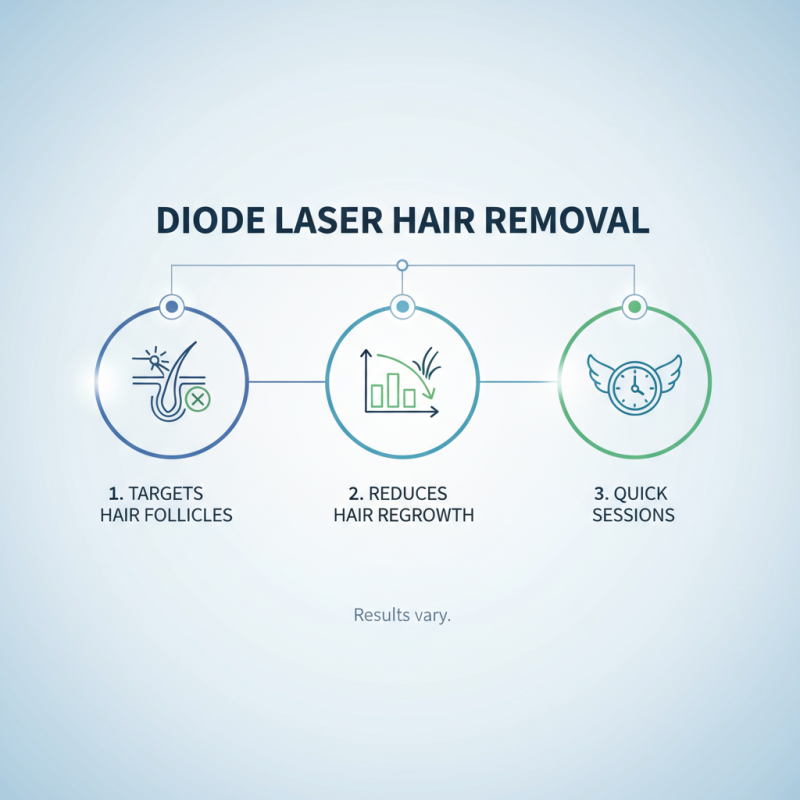
Diode laser hair removal utilizes advanced technology for effective hair reduction. This method targets hair follicles using focused laser beams. The result is a reduction in hair regrowth over time. The process is quick, but individual experiences may vary.
Before considering treatment, research the procedure thoroughly. Understand the potential side effects, which can include temporary redness or irritation. It’s essential to go to a qualified technician for the best results. The right specialist will ensure proper technique and equipment usage.
Tips: Always consult with a professional before treatment. Ask about the equipment they use and how they customize treatments based on skin type. Test a small area to gauge your skin's reaction. Keep in mind that results differ for everyone, and patience is crucial. Regular follow-ups are important to maintain desired outcomes.
Key Factors in Selecting a Diode Laser for Hair Removal Treatment
When selecting a diode laser for hair removal treatment, several key factors come into play.
The wavelength of the diode laser is crucial. Many experts recommend lasers operating between
800-810 nm for effective hair removal on various skin types. This wavelength penetrates the skin effectively while minimizing damage to surrounding tissues.
Another important consideration is the skin type of the individual. According to the American Academy of Dermatology,
diode lasers are versatile. They can treat a range of skin tones. However, darker skin types may require specific settings to avoid complications.
It’s vital for practitioners to have experience with different skin tones and to adjust settings accordingly.
Moreover, the cooling mechanism of the laser can significantly affect patient comfort. Many diode lasers come with integrated cooling systems.
Yet, not all systems provide the same level of comfort. Discomfort during treatment can deter patients and lead to dissatisfaction.
Understanding these factors can aid in making a more informed decision.
Selecting the right diode laser is not just about effectiveness; patient experience matters too.
Evaluating Treatment Efficacy: Clinical Studies and Success Rates
When evaluating diode laser hair removal, treatment efficacy is crucial. Research indicates that diode lasers can achieve an average hair removal rate of 70-90% after multiple sessions. A study published in the Journal of Dermatology reported a 90% success rate among patients after six treatments. However, individual results can vary significantly. Factors such as skin type, hair color, and treatment intervals play a role in success.
Clinical studies reveal that skin tone affects treatment outcomes. Darker skin can absorb more laser energy. This can lead to reduced efficacy or increased side effects. Additionally, not all patients respond the same way. Some might see patchy results or require more sessions. A survey indicated that 20% of participants experienced less than satisfactory results. It's essential to have realistic expectations and understand personal skin characteristics.
Ongoing advancements in technology aim to improve efficacy and safety. Practitioners must stay updated on the latest techniques. Consultation with a qualified professional is vital. They can tailor the treatment plan based on unique needs and skin conditions. Despite the promise of diode laser hair removal, continuous evaluation and adjustment remain crucial for optimal results.
Safety Considerations: Skin Types and Potential Side Effects
When considering diode laser hair removal, safety is paramount. Different skin types react distinctively to this treatment. Light skin often responds well; darker skin can experience increased risks. Prior skin issues should be discussed with a professional. Skin that has been sunburned or inflamed may not be suitable for treatment.
Be mindful of potential side effects. Aftercare is crucial. Some people experience redness or swelling. This usually dissipates, but monitoring is essential. Risk of hyperpigmentation exists, especially for those with darker skin tones. A patch test can provide insight into how your skin reacts.
Tips: Always consult with a certified practitioner. Ask about their experience with varying skin types. Consider your skin’s sensitivity and history. Take time to reflect on any past skin treatments. Being informed helps in making the best decision possible.
2026 Diode Laser Hair Removal Treatment: Skin Types and Safely
Costs and Long-Term Value: Comparing Diode Laser Treatments and Alternatives
When considering diode laser hair removal, costs play a significant role. Prices can vary widely. Sessions may range from a few hundred to over a thousand dollars. Factors include the treatment area, facility, and technology used. Often, clinics offer package deals. While these can save money, it's essential to evaluate their overall worth. Cheaper options might not yield long-lasting results.
Long-term value also matters. Diode lasers may provide better outcomes than some alternative methods. For example, electrolysis can be effective but may require many more sessions and costs. On the other hand, shaving and waxing have recurring costs but offer immediate results. You might save money upfront, but these methods lack permanence. Consider the time and effort involved in maintenance.
Some find that the results of diode laser treatments are worth the investment. However, it's crucial to assess personal expectations. Some individuals experience varying degrees of success. Skin type, hair color, and frequency of sessions can affect outcomes. Investing in research and consultations may provide clarity. These conversations can highlight potential pitfalls and lead to more informed choices.