10 Essential Tips for Understanding Tripolar Radio Frequency Technology
Understanding tripolar radio frequency technology can revolutionize your approach to skincare and body treatments. This innovation harnesses the power of three energy currents, ensuring deeper penetration into the skin layers. Many practitioners praise tripolar radio frequency for its effectiveness in tightening skin and reducing cellulite. However, knowledge is key to maximizing its potential.
As you explore this technology, consider both its benefits and limitations. It’s crucial to listen to patient feedback, as their experiences can guide your understanding of its results. Different skin types react variably, and what works for one may not work for another. This variability can lead to reflections on treatment protocols.
Staying informed is essential in the rapidly evolving aesthetics field. Reliable resources and expert opinions can enhance your expertise. By embracing tripolar radio frequency, you can offer improved solutions to your clients’ concerns, but ensure you are well-informed and prepared for ongoing learning.
What is Tripolar Radio Frequency Technology? An Overview of Principles
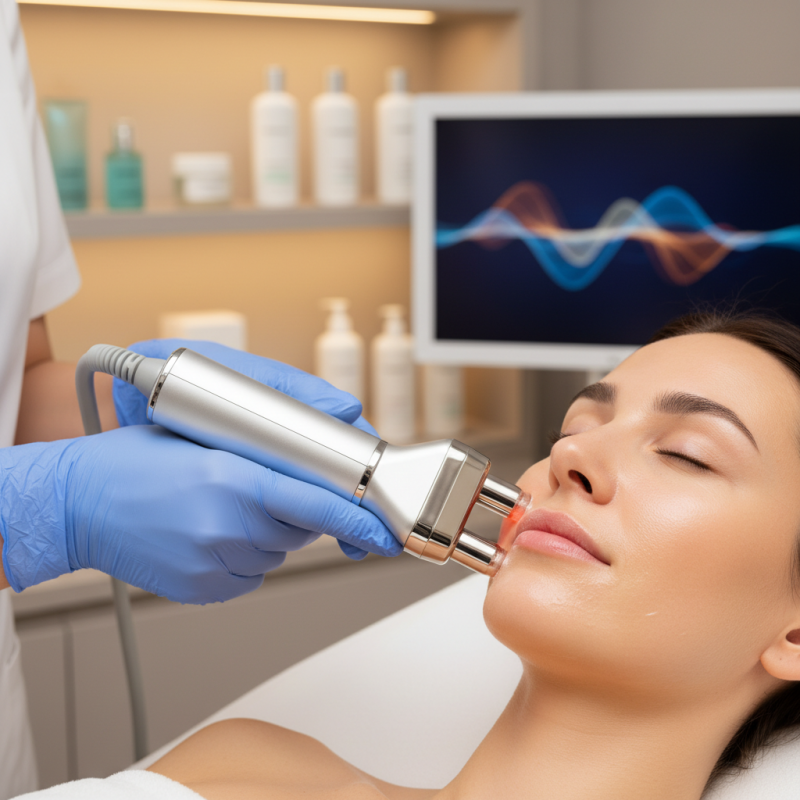
Tripolar Radio Frequency (RF) technology is gaining traction in aesthetic and therapeutic treatments. Its principle revolves around the generation of heat through radiofrequency waves. These waves stimulate collagen production, enhancing skin elasticity and texture. According to industry reports, the global RF beauty devices market is expected to reach $1.3 billion by 2025. This growth signals the rising demand for non-invasive procedures.
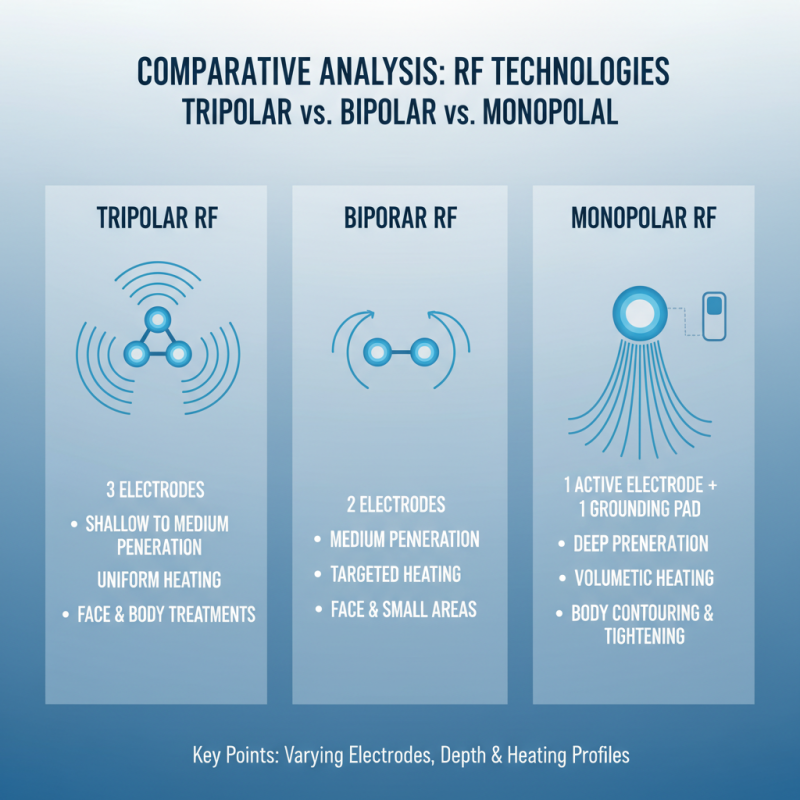
The tripolar configuration allows for deeper tissue penetration compared to traditional methods. This makes treatments more effective in targeting localized fat and sagging skin. However, not all outcomes are guaranteed. Factors such as skin type and treatment consistency vary significantly among individuals. Research indicates that 30% of patients may not see desired results, emphasizing the importance of personalized treatment plans.
Moreover, the safety profile of RF treatments is generally positive. Side effects are often minor, including temporary redness and swelling. Yet, potential risks exist if practitioners lack the necessary training. It is essential to choose experienced providers. Even with advancements, ongoing studies are crucial to deepen our understanding of long-term effects. New data can reveal areas needing improvement and ensure enhanced patient satisfaction in future applications.
Key Applications of Tripolar RF Technology in Aesthetic Medicine
Tripolar Radio Frequency (RF) technology has become a game changer in aesthetic medicine. It harnesses the power of radio waves to stimulate collagen production and improve skin texture. This method is non-invasive, making it a popular choice among patients seeking skin rejuvenation without surgery.
One key application of tripolar RF technology is skin tightening. Many practitioners utilize this technology for facial and body treatments. The procedure works by heating the dermis, leading to tighter skin. Patients often report visible results after just a few sessions. Nonetheless, it's important for practitioners to manage patient expectations. Results can vary based on individual skin conditions and treatment areas.
Another application is cellulite reduction. Tripolar RF can help to smooth the skin's surface. It targets deeper layers, breaking down fat deposits. Patients should be aware that multiple treatments may be necessary for optimal results. Clear communication about the treatment process fosters trust and enhances patient satisfaction.
When implementing tripolar RF technology, practitioners should adhere to best practices. They should ensure that their devices are of high quality and calibrated correctly. It's essential to continuously educate themselves on the latest techniques and findings. This commitment to ongoing education reflects professionalism and can lead to better patient outcomes.
10 Essential Tips for Understanding Tripolar Radio Frequency Technology
Understanding the Mechanism of Tripolar RF: How It Works for Skin Tightening
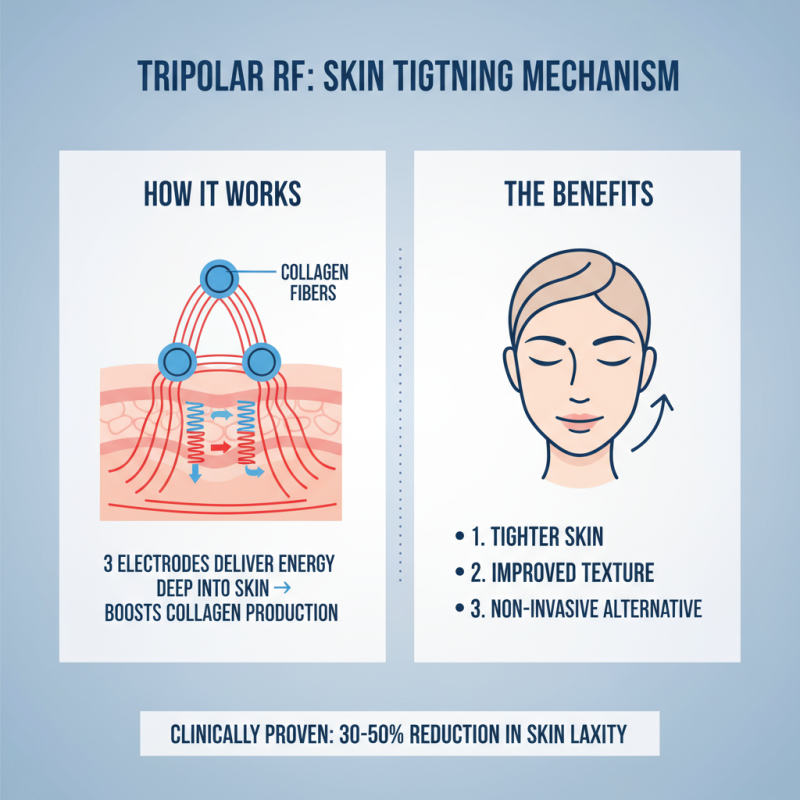
Tripolar radio frequency (RF) technology utilizes three electrodes to deliver energy deep into the skin. This technique enhances collagen production, leading to skin tightening and improved texture. According to recent studies, patients reported a 30-50% improvement in skin laxity following multiple RF sessions. This technology is non-invasive and generally well-tolerated, making it appealing to those seeking alternatives to surgical procedures.
Understanding the mechanism of tripolar RF is key. The energy heats the dermis layer, stimulating collagen fibers. This process facilitates skin rejuvenation over time. The true effectiveness depends on proper treatment protocols and individual skin conditions. It's crucial to consult professionals who can tailor sessions to meet specific needs.
When considering tripolar RF, keep these tips in mind: ensure you are well-informed about your skin's condition. Don't overlook the importance of post-treatment care. Staying hydrated and following aftercare guidelines can enhance results significantly. Regular sessions are vital for noticeable improvements. With the right approach, tripolar RF can be an excellent addition to your skincare routine, promoting not only tighter skin but also a more youthful appearance.
Safety and Effectiveness: Clinical Studies Supporting Tripolar RF Treatments
Tripolar Radio Frequency (RF) technology has gained popularity for its safety and effectiveness in various clinical settings. Research has shown that tripolar RF treatments can stimulate collagen production. This process helps to improve skin elasticity and reduce the appearance of wrinkles. Clinical studies highlight significant patient satisfaction. Many participants reported visible improvements after their treatments. These findings contribute to the technology's growing reputation in cosmetic procedures.
Despite its benefits, it's essential to approach tripolar RF technology with caution. Some users may experience mild discomfort during the procedure. Others may notice temporary redness in treated areas. These reactions are usually short-lived, but understanding them is crucial. It’s vital to consult experienced practitioners who can assess individual needs and expectations. Moreover, continuous research is necessary to refine techniques and maximize effectiveness. Not every study yields the same results, highlighting the need for further investigations into long-term outcomes. A critical eye on these aspects can enhance the safety and efficacy of tripolar RF treatments.
10 Essential Tips for Understanding Tripolar Radio Frequency Technology
| Dimension |
Data |
| Technology Type |
Tripolar Radio Frequency |
| Primary Use |
Skin Tightening and Lifting |
| Treatment Duration |
30-60 minutes |
| Number of Sessions |
4-6 sessions recommended |
| Target Areas |
Face, Neck, Body |
| Typical Results |
Improved skin elasticity and texture |
| Post-treatment Care |
Avoid sun exposure; hydrate skin |
| Safety Profile |
Generally safe with minimal side effects |
| Clinical Studies |
Supports efficacy and safety of treatments |
| Expert Recommendations |
Consult a licensed professional |