Why You Should Consider Laser Skin Resurfacing for Youthful Skin?
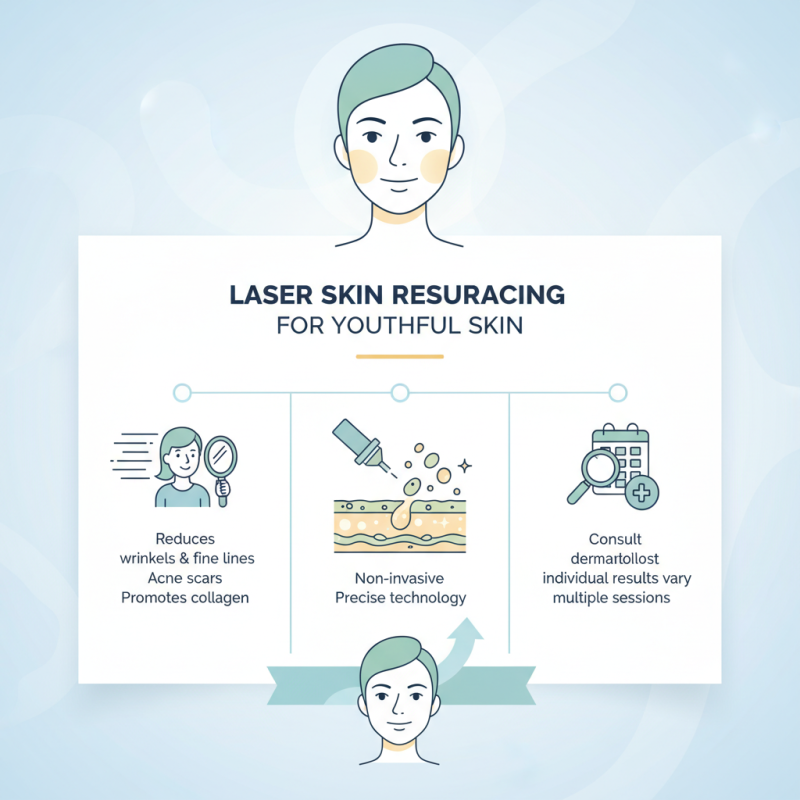
Are you looking for a way to rejuvenate your skin? Laser skin resurfacing has gained popularity in recent years for its effective results. This treatment can help reduce wrinkles, fine lines, and acne scars. It promotes collagen production, which is essential for youthful skin.
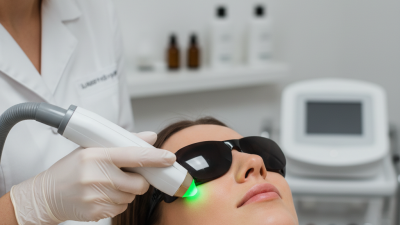
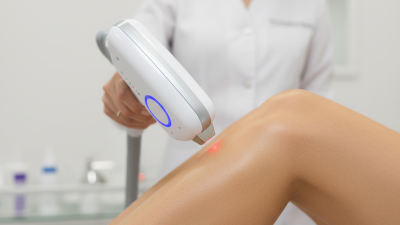
Many people desire a fresh appearance without invasive surgery. Laser skin resurfacing offers a less daunting option. The procedure uses precise laser technology to gently remove damaged skin layers. Most patients notice significant improvements shortly after treatment.
However, it's essential to understand the implications. Not everyone is a suitable candidate. Consulting with a qualified dermatologist is crucial. They can assess your skin type and recommend the best approach. Keep in mind, individual results can vary, and multiple sessions may be required. It's vital to approach this treatment with realistic expectations.
Understanding Laser Skin Resurfacing: An Overview of the Procedure
Laser skin resurfacing is a transformative procedure designed to rejuvenate skin and reduce signs of aging. This technique uses concentrated beams of light to remove dead skin cells and stimulate collagen production. According to the American Society for Dermatologic Surgery, around 90% of patients report satisfaction with their results, making it a popular choice for maintaining youthful skin.
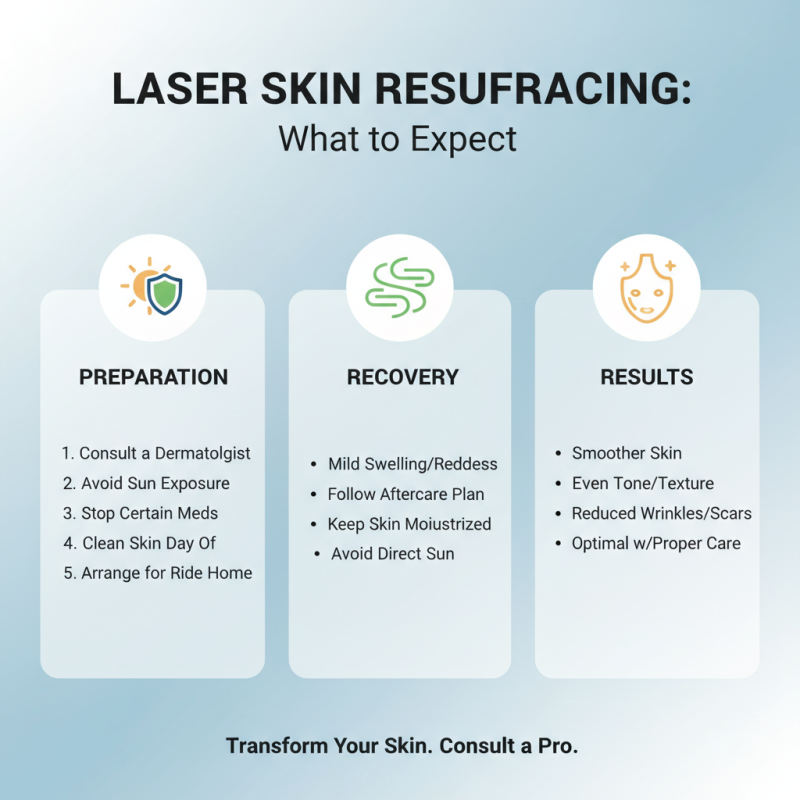
The procedure typically involves minimal downtime, depending on the intensity of the treatment. Patients may experience redness and swelling, akin to a mild sunburn, which usually resolves in a few days. Despite its effectiveness, it’s essential to understand the risks involved. Some individuals report pigmentation changes post-treatment. This emphasizes the importance of consulting with a certified professional before proceeding.
Emerging studies indicate that laser skin resurfacing can improve skin texture by up to 50%. However, results can vary based on individual skin types and conditions. A thorough assessment is necessary to develop a personalized treatment plan. Without proper care and maintenance, results may not last as long as hoped. Regular follow-ups and skincare routines play a vital role in sustaining the youthful appearance achieved through laser treatments.
The Benefits of Laser Skin Resurfacing for Reducing Signs of Aging
Laser skin resurfacing has gained attention for its effectiveness in rejuvenating skin. Many studies demonstrate its benefits in reducing signs of aging. This procedure targets wrinkles, fine lines, and uneven skin tone. The American Society for Aesthetic Plastic Surgery reports a significant rise in laser treatments, with an increase of over 20% in the past few years.
During the procedure, laser technology stimulates collagen production. This leads to firmer, smoother skin. A clinical study found that 75% of participants noted improved skin texture after one session. Such results are promising, but not everyone experiences the same outcomes. Skin type and individual healing can affect success rates, raising important considerations.
While laser resurfacing can produce youthful results, recovery can be challenging. Redness and swelling might persist for days, requiring patience. This can be a barrier for some individuals seeking quick fixes. Assessing personal tolerance for downtime is essential. Choosing this procedure involves weighing potential benefits against recovery experiences.
Benefits of Laser Skin Resurfacing for Reducing Signs of Aging
Laser skin resurfacing is an effective treatment for achieving youthful skin by significantly reducing the signs of aging. The chart above showcases the effectiveness percentages in various areas improved by laser skin resurfacing treatments. As seen, fine lines and texture enhancement show some of the highest effectiveness ratings, making this procedure a valuable option for those seeking to rejuvenate their skin.
Types of Laser Treatments: Choosing the Right Option for Your Skin
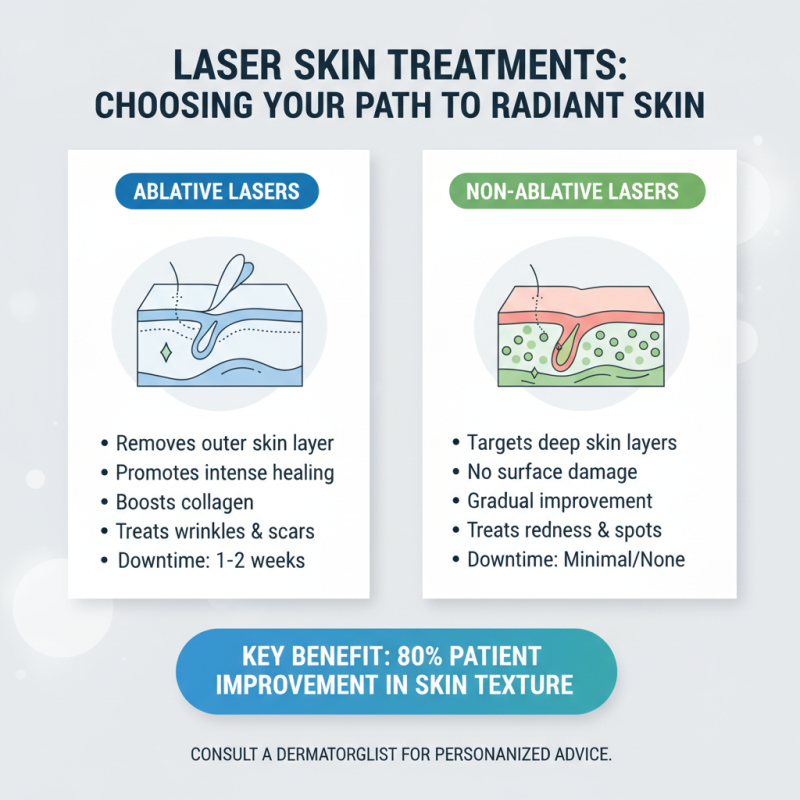
When considering laser skin resurfacing, understanding the types of laser treatments available is crucial. Different skin concerns require different technologies. For example, ablative lasers remove the outer layer of skin, promoting healing and collagen production. Non-ablative lasers, on the other hand, target deeper skin layers without damaging the surface. Studies show that 80% of patients experience significant improvement in skin texture with these treatments.
Choosing the right option depends on your skin type and concerns. For acne scars, fractional CO2 lasers are highly recommended. They offer precise results without excessive downtime. In contrast, if you’re aiming to reduce fine lines or pigmentation, erbium lasers excel in reducing redness and improving overall skin tone. Data from the American Society for Aesthetic Plastic Surgery highlighted a 42% increase in laser treatment procedures over the past year. Yet, some patients report dissatisfaction. Reasons often include unrealistic expectations or inadequate post-treatment care. Understanding these details can help guide your decision in seeking youthful skin.
Potential Risks and Considerations for Safe Laser Skin Resurfacing
Laser skin resurfacing can rejuvenate your skin. However, potential risks deserve attention. Common side effects include redness and swelling, which generally subside within a week. According to the American Society for Aesthetic Plastic Surgery, about 5% of patients experience complications like infection or pigmentation changes.
Choosing a qualified practitioner is crucial. Their expertise can greatly reduce risks. An experienced dermatologist can tailor the treatment to your skin type and condition. A study published in the Journal of Cosmetic Dermatology reported that under expert care, complications drop to below 2%. Yet, even in skilled hands, results vary. Skin may not respond as hoped, requiring additional treatments.
Post-procedure care also plays a significant role. Proper hydration and sun protection can enhance healing. Patients should follow guidelines strictly to minimize issues. Even with precautions, some may find results disappointing. It's essential to have realistic expectations and be prepared for the journey.
Why You Should Consider Laser Skin Resurfacing for Youthful Skin? - Potential Risks and Considerations for Safe Laser Skin Resurfacing
| Aspect |
Details |
| Benefits |
Improved skin texture, reduced wrinkles, and removal of blemishes. |
| Procedure Time |
Typically 30 minutes to 2 hours depending on the area treated. |
| Recovery Time |
1 to 2 weeks for surface healing, full results visible after several months. |
| Potential Risks |
Redness, swelling, infection, and scarring. |
| Suitable Candidates |
Individuals with sun damage, acne scars, or aging skin. |
| Aftercare |
Avoid sun exposure, use prescribed ointments, and keep the skin moisturized. |
| Cost |
Typically ranges from $500 to $3,000 per session. |