What is RF Needling Benefits for Your Skin Health?
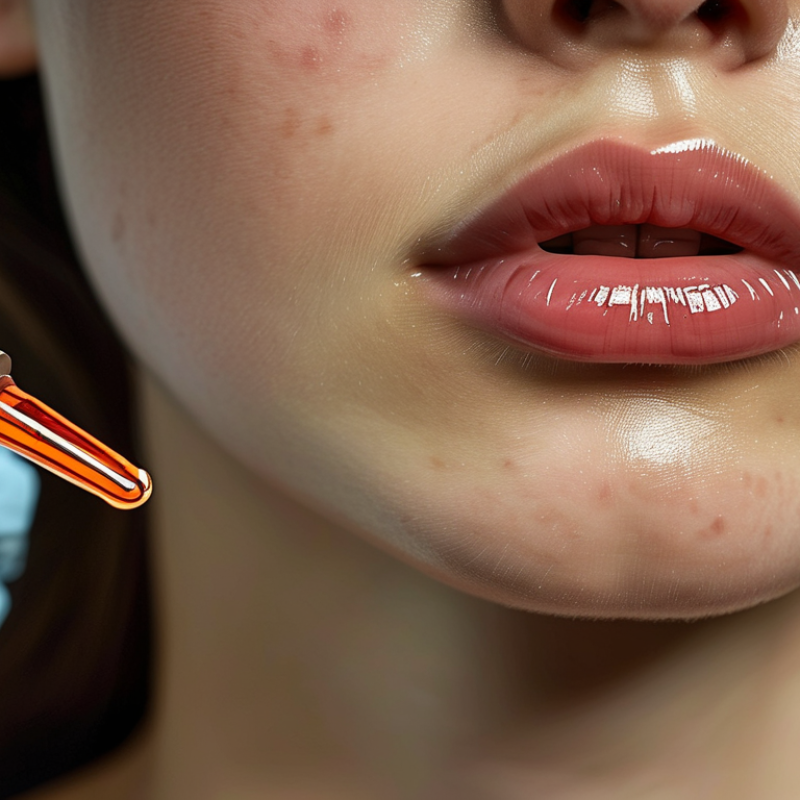
RF needling has gained attention in the skincare community. This innovative treatment merges radiofrequency technology with traditional microneedling techniques. As a result, it promises to enhance skin health dramatically.
The process works by delivering thermal energy to deeper skin layers. This stimulates collagen production, which is crucial for skin rejuvenation. RF needling can reduce fine lines and improve skin texture. Many users report visible results after just one session.
However, individual experiences can vary. Some may encounter redness or swelling post-treatment. It is essential to consult with a professional to assess your skin type and needs. Understanding potential risks is just as important as recognizing the benefits. Ultimately, RF needling could be a game-changer for many seeking healthier skin.
Understanding RF Needling: An Overview of the Procedure
Radiofrequency (RF) needling is an advanced skin treatment combining microneedling and RF energy. This procedure targets deeper skin layers, promoting collagen production. A study by the American Society for Dermatologic Surgery indicates that RF needling can enhance skin texture by up to 75% after multiple sessions. This improvement derives from the increased collagen synthesis, resulting in firmer, more youthful-looking skin.
During the RF needling process, tiny needles penetrate the skin, delivering RF energy. This stimulates the skin’s natural healing response. The heat generated aids in collagen remodeling. Some patients experience redness and slight swelling, which typically subside within a few days. According to a clinical trial in the Journal of Clinical and Cosmetic Dermatology, 80% of patients reported high satisfaction after the treatment.
Though RF needling presents significant benefits, some concerns remain. Not everyone achieves the same results. Variability in skin type and individual healing responses can affect outcomes. It is crucial to consult with a qualified practitioner who can assess your specific needs and conditions before treatment. Adhering to post-treatment care is essential for optimal results and minimizes complications.
The Science Behind RF Needling and Skin Health
Radiofrequency (RF) needling is gaining popularity for its skin health benefits. This procedure combines microneedling and RF energy to target deeper skin layers. Research indicates that RF needling can improve skin texture, reduce fine lines, and promote collagen production. According to the Journal of Cosmetic Dermatology, patients experienced a 30% increase in collagen after just three sessions.
The science behind RF needling lies in its dual-action approach. Microneedles create tiny injuries that stimulate the skin's healing response. RF energy enhances this effect by heating deeper layers. This process induces collagen remodeling. The American Society for Dermatologic Surgery reported over 70% of patients noted significant skin improvement after treatment.
However, RF needling is not without its challenges. Some individuals may experience temporary redness or swelling post-treatment. Healing times vary, and results depend on skin type and condition. It’s crucial to have realistic expectations and consult a qualified professional. The promise of rejuvenated skin comes with the need for careful consideration and planning.
Benefits of RF Needling for Skin Health
Key Benefits of RF Needling for Various Skin Concerns
RF needling, or radiofrequency microneedling, is a popular treatment for various skin concerns. This innovative procedure combines traditional microneedling with radiofrequency energy, providing deeper skin rejuvenation. Studies show it can improve skin texture, reduce fine lines, and target acne scars effectively. One report suggests that over 80% of patients experience noticeable improvements in skin tightness and tone within weeks.
For those struggling with sagging skin, RF needling significantly boosts collagen production. According to a clinical trial published in the Journal of Cosmetic Dermatology, patients saw a 60% increase in collagen after just three sessions. This method is also beneficial for enlarged pores, as 70% of participants reported a reduction in pore size. The RF energy stimulates a healing response beneath the surface, leading to more youthful skin.
Despite its benefits, RF needling is not without concerns. Some users experience temporary redness or swelling post-treatment. Reflecting on individual skin responses is crucial; not everyone's skin reacts positively. This treatment may not suit everyone, especially those with certain skin conditions. Consulting a qualified practitioner can help address these concerns and tailor the approach for optimal results.
What to Expect During and After an RF Needling Session
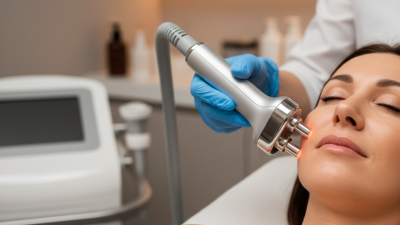
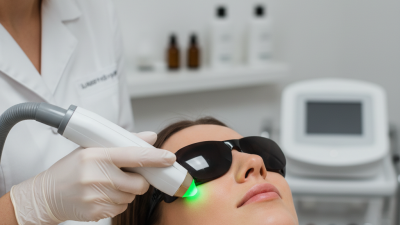
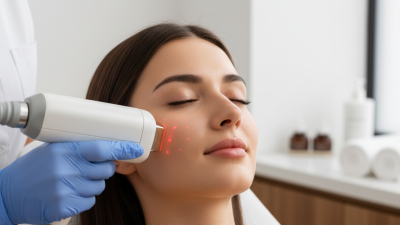
RF needling, also known as radiofrequency microneedling, combines traditional microneedling with radiofrequency energy. The procedure aims to rejuvenate skin texture, reduce wrinkles, and enhance collagen production. During a session, professionals use a device with tiny needles to create micro-injuries in the skin. This triggers the body’s healing response while delivering radiofrequency heat to deeper layers. You may feel slight discomfort, but topical anesthesia is often applied to minimize pain.
After the procedure, your skin may appear red and swollen. This is normal and typically subsides within a few days. Expect some flaking or dryness as your skin heals. Keeping the skin moisturized is crucial during the recovery period. Some individuals may experience uneven skin tone or sensitivity. These imperfections are part of the healing journey and warrant patience. It’s essential to follow post-treatment care to optimize results and reduce risks. Remember, everyone’s experience varies, and it’s wise to consult with a professional regarding any concerns.
Comparing RF Needling with Other Skin Treatments
RF needling combines radiofrequency energy with micro-needling to promote skin revitalization. Unlike traditional needling, RF targets deeper layers. This technique enhances collagen production effectively. As reported by the American Society for Aesthetic Plastic Surgery, RF needling can improve skin texture by up to 30%. Compared to chemical peels and laser treatments, it offers minimal downtime while maximizing results.
Chemical peels can cause irritation and prolonged recovery. In contrast, RF needling’s controlled healing process leads to more natural results. Laser treatments may require multiple sessions, while RF often shows visible improvements after one or two sessions. The synergy between micro-needling and RF therapy ensures that results are both immediate and progressive. Some people may experience minor redness, but it usually subsides quickly.
**Tip:** Hydrating your skin before treatments can enhance results. Additionally, post-treatment skincare is crucial. Use gentle, fragrance-free products to maintain balance. Remember to listen to your skin's needs and consult professionals for tailored advice.
What is RF Needling Benefits for Your Skin Health?
| Skin Treatment |
Benefits |
Downtime |
Results Duration |
Cost (Approx.) |
| RF Needling |
Stimulates collagen production, improves skin texture, reduces wrinkles |
1-3 days |
6-12 months |
$800 - $1600 |
| Laser Resurfacing |
Reduces scars, wrinkles, and sun damage; promotes even skin tone |
3-7 days |
1-2 years |
$1500 - $3000 |
| Chemical Peels |
Improves skin tone and texture, treats acne and discoloration |
3-14 days |
3-6 months |
$100 - $600 |
| Microneedling |
Enhances absorption of skincare products, improves scars and wrinkles |
1-3 days |
3-6 months |
$300 - $700 |
| Botox |
Reduces fine lines and wrinkles, relaxes facial muscles |
None |
3-6 months |
$300 - $800 |