What Is Smoke Tree Extract Used For?

Smoke Tree Extract is made from Cotinus coggygria, a shrub known for its smoky-looking flower clusters and tannin-rich leaves. Its name may sound mysterious. Its uses deserve a clear, careful explanation. In this guide, we will look at how the extract is prepared, where it appears in traditional plant use, and why modern interest often centers on its antioxidant compounds. We will also distinguish laboratory findings from proven benefits in people. That difference matters.

Ethnopharmacologist Dr. Michael Heinrich has written about the importance of evaluating traditional plant knowledge carefully. The following sentence is an original summary of that evidence-minded approach, not a direct quotation: “Traditional use can guide research, but it cannot prove a health benefit.” Smoke Tree Extract has been explored for potential skin-care and wellness applications, but research remains limited. A test tube is not a person. Product strength and preparation can also vary, so findings from one extract may not apply to another. Readers should check ingredient labels, avoid assuming that “natural” means risk-free, and consult a qualified health professional before using an extract for a health concern. This overview will explain what is known, what remains uncertain, and which claims call for skepticism. It will keep the focus practical: what the extract is, how it is commonly discussed, and what evidence can—and cannot—support.
What Is Smoke Tree Extract Used For?

What Smoke Tree Extract Is: Cotinus coggygria and Its Tannin-Rich Leaves

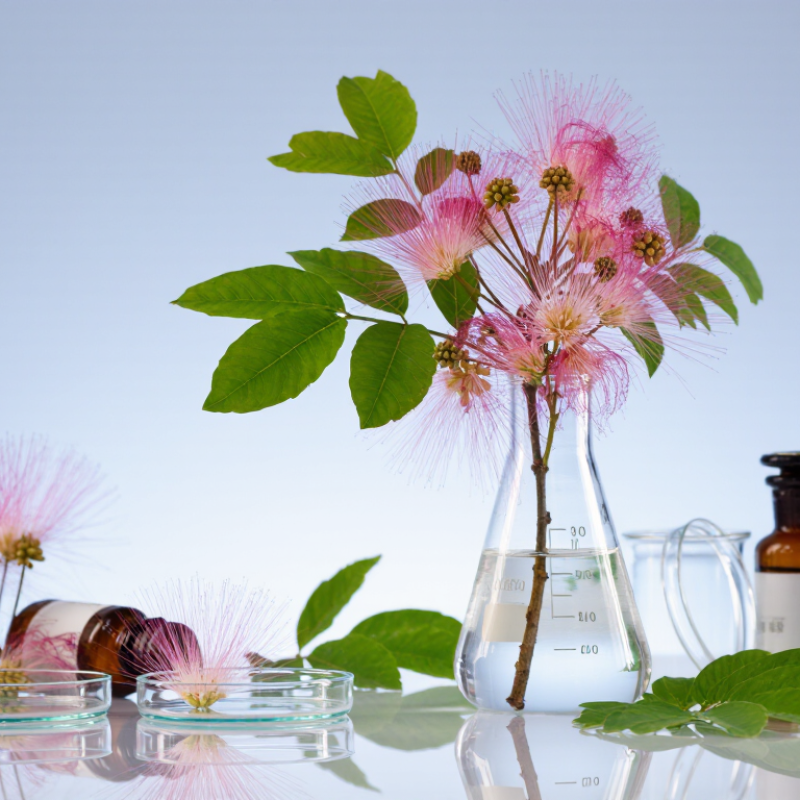
Smoke tree extract comes from Cotinus coggygria, a shrub with rounded leaves and airy, smoky-looking flower clusters. Its leaves contain tannins, plant compounds that can bind to proteins and create an astringent sensation. The amount can vary with the plant, harvest, and extraction method. “Smoke tree extract” is not one fixed recipe.

Tannin-rich leaf preparations have a history of traditional use, including on skin. Today, the extract may appear in cosmetic formulas designed to leave skin feeling less oily or temporarily tighter. That sensation is not proof of a lasting skin benefit. Small laboratory studies of plant compounds can suggest useful properties, but they do not establish that a finished product treats a condition in people.

Details matter. A water-based extract and a concentrated preparation may behave differently, even when both come from the same leaves. Products should identify their ingredients clearly and give directions for use. If trying one, test a small area first, especially on sensitive or broken skin. Stop if irritation occurs. The evidence is still uneven, and that deserves a little humility.

Key Compounds: Hydrolysable Tannins, Flavonoids, and Phenolic Acids

Smoke tree extract is valued mainly for its polyphenol-rich profile. Hydrolysable tannins are among its notable compounds. They can bind to proteins on the skin’s surface, creating a temporary tightening or astringent feel. This helps explain why the extract appears in some topical preparations for oily or easily congested skin. The sensation is not proof that a product treats a skin condition.

Flavonoids and phenolic acids add another dimension. In laboratory tests, these compounds can show antioxidant activity, though results depend on the extract and testing method. They may help protect a formula from oxidation, but that does not mean a cream will prevent skin aging. Details matter. Plant part, harvest conditions, and extraction process can change the balance of compounds, as well as the extract’s color and scent. A pale, nearly odorless product may contain a different profile from a darker one.

Evidence for specific skin benefits in people remains limited, so smoke tree extract is best understood as a botanical ingredient rather than a proven treatment. Not a cure. Formulas can also irritate sensitive skin, especially when concentrated or combined with other active ingredients. A small patch test is sensible, though it cannot predict every reaction. When evaluating a product, look for a clear ingredient list and follow its directions.

What Is Smoke Tree Extract Used For? - Key Compounds: Hydrolysable Tannins, Flavonoids, and Phenolic Acids

Topic What Is Known How to Interpret It
Plant source Smoke tree extract is commonly made from Cotinus coggygria, a deciduous shrub or small tree in the cashew family (Anacardiaceae). The plant part and extraction method can affect the extract’s composition. Products made from different parts should not be assumed to be equivalent.
Traditional topical use Preparations from the leaves or other aerial parts have a history of traditional use as astringent applications for the skin. Traditional use is not the same as proof of safety or effectiveness in clinical studies.
Hydrolysable tannins Smoke tree contains tannins, including gallotannin-type compounds and galloyl derivatives. Tannins can bind to proteins. This protein-binding property is associated with an astringent effect. It does not establish that an extract treats wounds or a skin condition.
Flavonoids Reported flavonoid constituents include fisetin and fustin; the precise profile varies with plant material and extraction. These compounds are studied for biological activities, including antioxidant effects in laboratory models. Laboratory findings do not confirm benefits in people.
Phenolic acids Gallic acid has been reported in smoke tree preparations and is also associated with the plant’s tannin chemistry. Phenolic-acid content may vary substantially between extracts; a compound’s presence alone does not demonstrate a therapeutic effect.
Areas of research Laboratory studies have investigated antioxidant, antimicrobial, and inflammation-related activities of smoke tree extracts or isolated constituents. These findings are preliminary and should not be treated as established clinical uses or substitutes for medical care.
Use and safety considerations Evidence is not sufficient to establish a standard dose or to confirm safety and effectiveness for treating health conditions. Topical products may irritate skin or cause an allergic reaction. Avoid use on broken skin unless advised by a qualified health professional, and seek medical advice for persistent or worsening symptoms.

Evidence note: This table summarizes traditional use and general phytochemical research; it does not establish that smoke tree extract prevents, diagnoses, or treats disease.

Traditional Industrial Uses: Leaf Tannins Reported at About 15–25%

Smoke tree, usually Cotinus coggygria, has a history as a source of plant tannins. Processing accounts report leaf tannin levels of about 15–25%, a range that makes the foliage relevant to traditional vegetable tanning. Tannins bind with hide proteins, helping leather resist decay and develop a firmer feel. Leaves could also supply color during traditional dyeing, though shade depends on the plant material and processing conditions. The leaves are not a ready-made industrial extract.

That distinction matters. The 15–25% figure should be treated as reported, not guaranteed: moisture content, harvest timing, and extraction method can shift test results. ISO 14088:2020 sets out a quantitative method for tanning agents, but it does not verify smoke tree leaves at that percentage. For a processor, the practical question is how much usable tannin an actual batch yields. A handful of dried leaves may look rich and dark, yet appearance alone cannot measure tannin. That gap is easy to overlook.

Cosmetic Uses: Antioxidant Activity in Laboratory Assays and Its Limits

Smoke tree extract is used in some cosmetic formulas for its plant-derived antioxidant potential. The extract may contain polyphenols, including tannins, though its composition varies with plant part and processing. In laboratory assays, researchers test whether it can neutralize reactive compounds under controlled conditions. Results can support ingredient research, but they do not show how a finished product performs on human skin.

Assays such as DPPH or ABTS measure antioxidant activity in a test system. A strong reading is not proof that the extract reaches living skin cells or prevents visible aging. Skin is more complex than a test tube. Formula pH, concentration, storage, and interactions with other ingredients can change an extract’s activity. Even color or odor may shift as botanical materials age.

In cosmetics, smoke tree extract may be included in products positioned to help protect skin from everyday environmental stress. That wording should not be confused with proven protection from sunlight or pollution. Human studies on the finished formula would be needed to support stronger claims. Evidence is limited, and results from one extract cannot automatically apply to another. I would look for clear ingredient details and stability data, while treating broad antioxidant promises cautiously.

It is not always straightforward.

Safety and Quality: Plant Part, Extraction Method, and Batch Standardization

Smoke tree extract is used in some skincare and botanical preparations, often for its tannin-rich plant compounds and potential antioxidant or astringent properties. These properties do not prove that an extract treats a skin condition. Research on specific preparations is limited, and results may not apply across products. The name can also refer to different plant materials, so check the botanical name and stated plant part.

Quality starts with what was harvested. Leaves, bark, and other parts can have different chemical profiles. Extraction method matters too: water, alcohol, and other solvents may pull out different compounds. A clear label should identify the species, plant part, extraction solvent, and preferably the extract ratio. Batch standardization helps keep selected marker compounds within a defined range, but it does not guarantee effectiveness or safety. Details can still be incomplete.

Tips: Look for batch testing and contaminant information, not just a “natural” claim. Patch-test a small area first, and stop if irritation occurs. If you have sensitive skin, allergies, or use prescription treatments, ask a qualified health professional before applying it. One detail is easy to miss: even well-made extracts can vary slightly between harvests.

Lumenis logo