Top ND YAG Laser Hair Removal Machines for Global Buyers

Choosing among the top ND YAG laser hair removal machines requires more than comparing prices and advertised power. Global buyers must examine wavelength stability, pulse control, cooling performance, and operator safety features. A reliable nd yag laser hair removal platform should use the 1064 nm wavelength carefully, especially for deeper follicles and darker skin types.

Dr. Tina Alster, a recognized dermatologic laser specialist, has said, “Laser hair removal is not a one-size-fits-all procedure.” That principle should guide every purchasing decision. Skin assessment, hair density, treatment area, and local climate can influence results. A machine that performs well in a cool European clinic may need different maintenance in a humid tropical market.

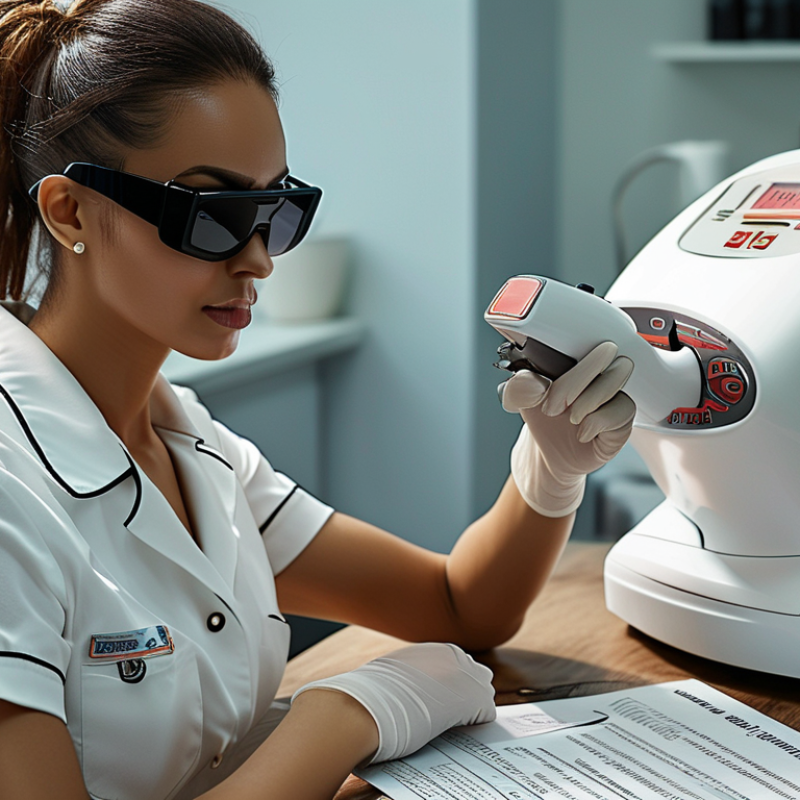
Look closely at the handpiece. It should feel balanced, not awkward, during a full-day treatment schedule. Check whether the cooling tip remains consistent after repeated pulses. Ask suppliers for clinical documentation, electrical certifications, training records, warranty terms, and replacement-part availability. These details often matter more than a dramatic energy specification.

Real-world experience also exposes weaknesses. Some machines appear affordable but become expensive when cooling modules or lamps require replacement. Others offer attractive interfaces but limited technical support. That is easy to overlook.

This guide compares leading systems for distributors, clinics, and medical aesthetic professionals worldwide. It considers treatment versatility, operating comfort, service reliability, and long-term value. No machine guarantees identical outcomes for every client. Careful selection still leaves room for judgment, training, and occasional reassessment.
Top ND YAG Laser Hair Removal Machines for Global Buyers

What Is an Nd:YAG Laser Hair Removal Machine?

An Nd:YAG laser hair removal machine uses a 1064 nm wavelength to target melanin inside the hair follicle. Its longer wavelength reaches deeper tissue than many shorter-wavelength systems. This makes it useful for darker skin tones when trained professionals select suitable settings. It does not remove hair instantly. Hair grows in cycles, so several treatments are normally required. The American Academy of Dermatology Association notes that laser treatment can provide long-term hair reduction, but maintenance sessions may still be necessary.

The device converts light energy into controlled heat. This heat damages the follicle while the cooling system protects the surrounding skin. Results depend on hair thickness, skin tone, hormonal conditions, and treatment timing. A 2023 systematic review in Lasers in Medical Science reported strong clinical support for long-pulsed Nd:YAG systems, especially for darker skin types. Still, evidence varies between studies. Real-world results are not perfectly predictable.

Tips: Check pulse duration, spot size, cooling performance, and adjustable fluence before purchasing. Ask for clinical training records and documented safety testing. The FDA stresses that laser devices require proper operation and risk management. Patch testing matters. Poor settings can cause burns, temporary pigment changes, or uneven reduction. Grand View Research’s 2024 industry analysis also indicates continuing growth in the laser hair removal market, but market growth does not prove every machine performs equally. That distinction is easy to miss.

How Nd:YAG Technology Works for Different Skin Types

Top ND YAG Laser Hair Removal Machines for Global Buyers

Nd:YAG technology uses a long 1064 nm wavelength. It penetrates deeply and targets melanin inside the hair follicle. Compared with shorter wavelengths, less energy is absorbed by surface pigment. This design can reduce epidermal injury risks for Fitzpatrick skin types IV to VI. It may also suit types I to III when hair is coarse and dark. Fine, blond, red, or gray hair responds less consistently because it contains limited melanin.

Clinical selection still matters more than wavelength alone. A 2022 review in Dermatologic Surgery reported approximate hair-reduction ranges of 40% to 70% after repeated Nd:YAG treatments. Results varied by fluence, pulse duration, body area, and follow-up period. The International Society of Hair Restoration Surgery also emphasizes the hair-growth cycle; several sessions are usually needed because follicles respond best during active growth. Cooling systems, calibrated spot sizes, and documented patch testing support safer treatment.

The numbers are not perfectly comparable.

Darker skin needs careful energy control, because excessive heat can cause burns or temporary pigmentation changes. Experienced operators should assess tanning, medication history, hair thickness, and recent irritation before treatment. A 2023 clinical review in Lasers in Medical Science noted that maintenance sessions may be needed, even after strong initial reduction. Buyers should examine measured fluence ranges, pulse settings, cooling performance, and service training—not only advertised treatment speed.

The Fitzpatrick scale classifies skin from Type I to Type VI according to its typical response to ultraviolet exposure. A 1064 nm Nd:YAG laser is generally favored for darker skin types because its longer wavelength penetrates deeper and is absorbed less by epidermal melanin than shorter wavelengths. Treatment settings, cooling, and test patches must still be adjusted by a qualified professional for every skin type.

The bar values represent the Fitzpatrick ordinal categories, not a linear measurement of pigmentation or treatment effectiveness.

Key Features of Top Nd:YAG Hair Removal Machines

For global buyers, a top Nd:YAG hair removal machine should offer a stable 1064 nm wavelength. This wavelength is commonly selected for deeper follicle targeting and darker skin types. Real performance depends on more than wavelength. Adjustable fluence, pulse duration, and repetition rate help practitioners match settings to hair thickness and skin response. A clear interface reduces avoidable errors during busy clinic sessions. It should display every setting plainly.

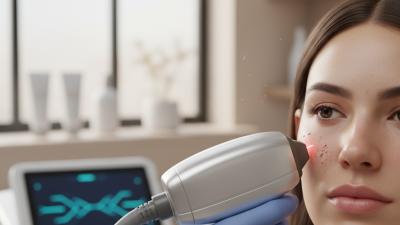
Effective cooling is equally important. Integrated contact or air cooling can reduce surface heat and improve client comfort. Comfort matters. A responsive handpiece should feel balanced, with a spot size suited to small curves and larger areas. Reliable machines also include temperature monitoring, emergency stops, and protected footswitch controls. These details matter when rooms become warm or schedules become tight. Buyers should check calibration records, service access, and replacement-part availability. A low price can create expensive downtime.

Professional buyers should request clinical documentation, electrical safety certification, and training materials that match local rules. Operators need guidance on test spots, eye protection, contraindications, and aftercare. A machine may advertise fast pulses, but speed is not the only measure of quality. Excessive settings can increase discomfort without improving results. No device is perfect. Hair density, hormones, skin condition, and operator judgment still affect outcomes. Consistent maintenance protects both performance and client trust.

How to Compare Safety, Performance, and Operating Costs

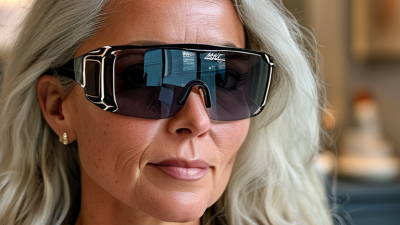
When comparing Nd:YAG laser hair removal machines, safety deserves more attention than a polished sales brochure. Look for adjustable pulse duration, fluence, spot size, and reliable skin-cooling systems. These controls help operators adapt treatments to different skin tones and hair textures. Built-in temperature monitoring can reduce discomfort during repeated passes. Eye protection must be appropriate for the laser wavelength and available for every person in the treatment room. Training matters too. Even advanced equipment can be unsafe in inexperienced hands.

Performance should be judged through measurable details, not dramatic promises. Ask for treatment speed, pulse repetition rate, cooling recovery time, and clinical test data. A larger spot may cover legs faster, while a smaller spot can improve control around the face. Consistent energy delivery is important because uneven pulses may produce poor results or unnecessary irritation. Request service records from existing users when possible. Marketing language is not evidence.

Operating cost includes more than the purchase price. Calculate electricity use, replacement handpieces, cooling-system maintenance, calibration, consumables, staff training, and expected downtime. A cheaper machine may become expensive after frequent repairs. I would also inspect the warranty terms carefully, especially response times for technical support. Small details matter. Some buyers overlook ventilation, room space, and operator ergonomics. That is a mistake I have seen repeatedly. A realistic comparison should include local servicing and regulatory documentation, even when the machine appears technically impressive.

Top ND YAG Laser Hair Removal Machines for Global Buyers

How to Compare Safety, Performance, and Operating Costs
Comparison Dimension Entry Clinical Configuration Professional Standard Configuration High-Throughput Configuration What Global Buyers Should Verify
Laser Wavelength Core specification
1064 nm long-pulsed Nd:YAG laser
Core specification
1064 nm long-pulsed Nd:YAG laser
Core specification
1064 nm long-pulsed Nd:YAG laser
Confirm that the device is a genuine long-pulsed 1064 nm system rather than a multi-function platform with an unspecified laser source.
Typical Fluence Range Approximately 10–40 J/cm² Approximately 10–60 J/cm² Approximately 10–80 J/cm², subject to spot size and pulse width A wider range is useful only when it can be adjusted precisely. Maximum fluence alone does not demonstrate better clinical performance.
Pulse Duration Approximately 0.5–50 ms Approximately 0.3–100 ms Approximately 0.3–300 ms or multiple preset ranges Adjustable pulse duration helps operators adapt treatment to hair thickness, skin type, treatment area, and patient comfort.
Spot Size Options Commonly 6–15 mm Commonly 6–18 mm Commonly 6–24 mm, with interchangeable or adjustable spot sizes Larger spots can improve coverage on legs and backs, while smaller spots are useful for the face, bikini line, and detailed work.
Repetition Rate Approximately 1–5 Hz Approximately 1–8 Hz Approximately 1–10 Hz, depending on energy and spot size Compare repetition rate together with delivered energy, cooling recovery time, and handpiece ergonomics; a high Hz rating by itself may not increase productivity.
Cooling System Integrated contact cooling or air cooling; basic temperature control Contact cooling plus chilled air or water-cooled handpiece Closed-loop water cooling, contact sapphire cooling, and/or chilled air Request cooling temperature range, recovery time, coolant requirements, alarm functions, and routine cleaning instructions.
Skin-Type Considerations Suitable for a broad range of skin types when operated by trained personnel and used with conservative settings Better adjustment flexibility for Fitzpatrick skin types I–VI Broad clinical flexibility with more detailed parameter control The 1064 nm wavelength is commonly selected for darker skin types because it has lower melanin absorption than shorter wavelengths, but it does not eliminate burn or pigment-change risk.
Safety Controls Emergency stop, key switch, foot pedal, door interlock, basic fault alarms All entry controls plus password access, parameter confirmation, cooling alarms, and treatment counters All standard controls plus event logs, service alerts, multi-level user access, and automatic self-checks Verify that safety features are physically installed and documented. Software menus alone should not be treated as a substitute for engineering controls.
Required Protective Measures Correct wavelength-rated eyewear, controlled treatment room, warning signage, and trained operator Same requirements, with documented treatment protocols and patient eye protection Same requirements, with formal laser safety procedures and access control Laser protective eyewear must be rated for 1064 nm and provide suitable optical density. Follow local occupational and medical-device regulations.
Treatment Speed Approximately 20–35 minutes for a pair of lower legs, depending on spot size, hair density, and operator technique Approximately 15–30 minutes for a pair of lower legs Approximately 10–25 minutes for a pair of lower legs These are indicative workflow ranges, not guaranteed clinical outcomes. Room setup, consultation, photography, cleaning, and documentation add time.
Expected Hair-Reduction Planning Multiple sessions are normally required because laser energy mainly affects actively growing hairs Multiple sessions with treatment intervals selected according to the body area and hair-growth cycle Multiple sessions; faster coverage does not remove the need for an appropriate treatment schedule Avoid purchasing claims that promise permanent removal after one session. Results vary with hair color, density, hormonal factors, skin type, and treatment parameters.
Typical Electrical Load Approximately 1.5–2.5 kW during operation Approximately 2–3.5 kW during operation Approximately 3–5 kW during operation Confirm voltage, phase, frequency, plug type, circuit rating, and whether the stated power includes the cooling system.
Estimated Electricity Cost per Treatment Approximately US$0.10–0.40 per 30-minute session at US$0.10–0.25/kWh Approximately US$0.15–0.55 per 30-minute session at US$0.10–0.25/kWh Approximately US$0.20–0.75 per 30-minute session at US$0.10–0.25/kWh Electricity is usually a minor cost. Calculate using local utility rates and the device's measured operating power rather than its maximum rated input.
Routine Consumables Approximately US$1–4 per session for disposable supplies, cleaning materials, and protective items Approximately US$1–5 per session Approximately US$1–6 per session, depending on cooling and handpiece requirements Ask whether filters, distilled water, cooling fluid, handpiece windows, and protective eyewear are included or sold separately.
Annual Maintenance Budget Common planning allowance: about 5–10% of purchase price per year Common planning allowance: about 5–10% of purchase price per year Common planning allowance: about 6–12% of purchase price per year Obtain a written service schedule covering calibration, cooling-system service, optical inspection, software support, travel charges, and response times.
Indicative Equipment Price Approximately US$8,000–18,000 Approximately US$18,000–35,000 Approximately US$35,000–70,000+ These are broad market planning ranges for new professional systems. Import duty, freight, installation, training, tax, and local registration may be additional.
Best Fit Small clinics, low-to-moderate treatment volume, and buyers prioritizing initial capital control Established clinics seeking a balance of flexibility, throughput, safety features, and serviceability High-volume clinics that can keep the device consistently utilized Select by expected monthly treatment volume and service availability, not by purchase price alone.

Important: All performance, price, energy-use, and treatment-time figures are indicative comparison ranges for generic professional configurations, not specifications of a particular manufacturer or model.

Regulatory note: Buyers should verify local medical-device registration, laser classification, operator licensing, electrical compliance, import requirements, and applicable workplace laser-safety standards before purchase.

Cost note: Total operating cost should include equipment depreciation, maintenance, staff time, consumables, electricity, room overhead, calibration, training, downtime, freight, taxes, and service contracts.

What Global Buyers Should Check Before Purchasing

Top ND YAG Laser Hair Removal Machines for Global Buyers

What Global Buyers Should Check Before Purchasing

A serious buyer should inspect performance, safety, and support before comparing prices. Check whether the machine uses a 1064 nm wavelength suitable for deeper hair follicles and darker skin types. Ask for adjustable fluence, pulse duration, and spot sizes. These controls help practitioners adapt treatment to different hair thicknesses and skin conditions. Details matter.

Cooling performance deserves close attention. Request a live demonstration and observe the handpiece after repeated pulses. Weak cooling may cause discomfort, inconsistent results, or unnecessary treatment delays. Confirm the cooling method, maintenance needs, and replacement costs. Test it live.

Independent clinical evidence is more useful than impressive advertising. Ask the supplier for technical specifications, safety testing, user training, and clear operating instructions. Confirm that the device meets the registration and electrical requirements of the destination market. Requirements vary by country, and assumptions can create expensive problems.

After-sales service can determine whether a machine remains useful after installation. Review warranty coverage, response times, software support, spare-part access, and staff training. A low purchase price may hide costly downtime. That concern is easy to overlook. Ask for references from clinics using similar treatment volumes. Also examine the treatment room setup, including power supply, ventilation, and operator space. Some buyers focus heavily on fluence and forget daily workflow. That is an imperfect approach, but it happens often. Reliable purchasing includes technical checks, documented support, and honest discussion about limitations.

Lumenis logo