What is tripolar radio frequency and how does it work?
Tripolar radio frequency (RF) technology has gained notable traction in the beauty and wellness industries. This emerging technique uses three electrodes to deliver RF energy deeply into the skin. Results can include tighter, smoother skin and improved collagen production. According to industry reports, the global RF device market is expected to reach $2 billion by 2026, reflecting a growing demand for non-invasive cosmetic procedures.
Despite its popularity, the effectiveness of tripolar radio frequency can vary widely. Individual skin types and conditions may influence treatment outcomes. While many users report satisfaction, some experience minimal changes. Thus, it’s crucial for consumers to have realistic expectations. Clinics often provide thorough consultations to help clients understand potential results.
Tripolar radio frequency offers a fascinating alternative for skin rejuvenation. It bridges the gap between traditional methods and modern technology. Still, caution is advised as not all professionals conduct treatments equally. Users must research their providers to ensure safety and efficacy. Patient education is essential to navigate this complex landscape.

What is Tripolar Radio Frequency Technology?
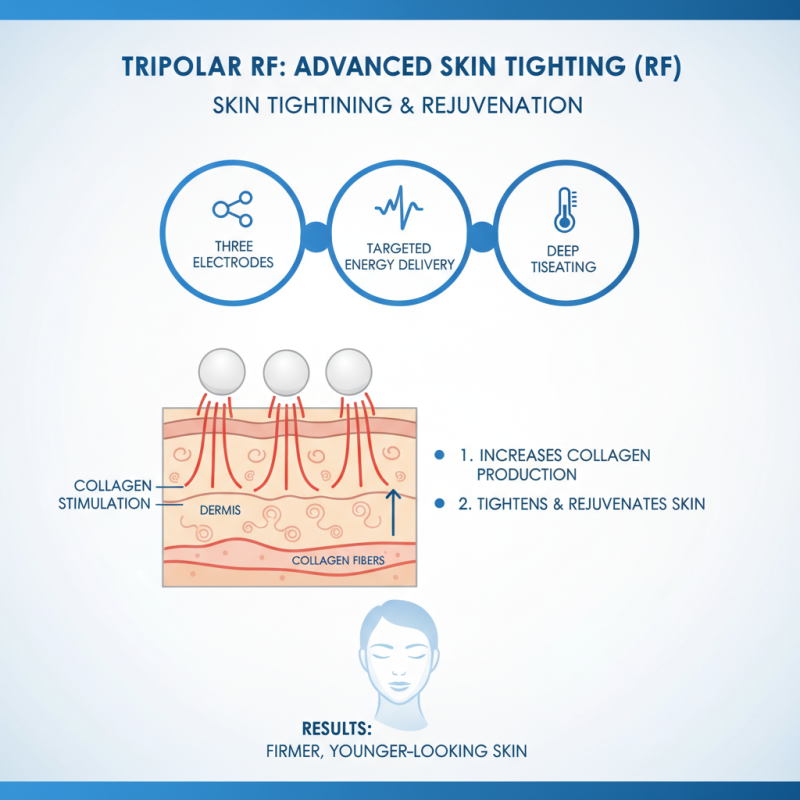
Tripolar radio frequency technology is an innovative approach to skin rejuvenation. This method leverages three electrodes to deliver radio frequency energy deep into the skin layers. By using multiple electrodes, it creates a more uniform heating effect. This leads to enhanced collagen production and skin tightening.
The treatment is non-invasive and usually takes around 30 to 60 minutes. Patients often return to their daily routines immediately. The sensation during the procedure can vary. Some might feel a warm tingling, while others could experience mild discomfort. It’s important to communicate with the technician about any discomfort.
Results typically appear gradually. Many notice improvements after a few sessions. Skin may feel firmer and look healthier. However, individual results can differ based on skin type and condition. Some may require a series of treatments to achieve desired outcomes. This variability prompts individuals to reflect on their unique skin needs and goals.
What is Tripolar Radio Frequency Technology?
| Parameter |
Description |
| Definition |
Tripolar radio frequency (RF) is a non-invasive cosmetic treatment that uses radio frequency energy to stimulate collagen production and tighten the skin. |
| Mechanism |
The technology employs three electrodes to deliver RF energy to deeper layers of the skin, enhancing thermal effects and creating a lifting and tightening effect. |
| Treatment Areas |
Commonly used on the face, neck, abdomen, and other areas that require skin tightening and rejuvenation. |
| Benefits |
Improves skin texture, reduces wrinkles, reinforces skin elasticity, and promotes a youthful appearance. |
| Session Duration |
Typically, each session lasts between 30-60 minutes depending on the treatment area. |
| Number of Sessions |
Most patients require a series of 4-6 sessions for optimal results. |
| Side Effects |
Possible side effects include mild redness, swelling, or discomfort in the treated area, which usually resolves quickly. |
| Recovery Time |
There is minimal downtime, allowing patients to return to normal activities immediately after treatment. |
Principles of Tripolar Radio Frequency Operation
Tripolar radio frequency (RF) operates on a unique principle involving the use of three electrodes. This design allows for a more effective energy delivery to the tissue. The RF energy generates heat within the deeper layers of the skin. This process stimulates collagen production, resulting in skin tightening and rejuvenation.
During treatment, the device emits RF waves that penetrate the skin. The interaction between the RF energy and the tissue creates controlled thermal damage. This may sound alarming, but it’s a calculated approach. Careful temperature monitoring is essential. Too much heat can cause discomfort or burns, which highlights the need for meticulous technique.
The efficacy of tripolar RF is visible after several sessions. Yet, results may vary for each individual. Factors such as skin type and treatment area play a significant role in the outcome. Some may notice improvements soon, while others might require patience. This variability can lead to mixed feelings about the treatment’s reliability. Understanding these nuances can help set realistic expectations and guide future decisions.
Applications of Tripolar Radio Frequency in Aesthetic Treatments
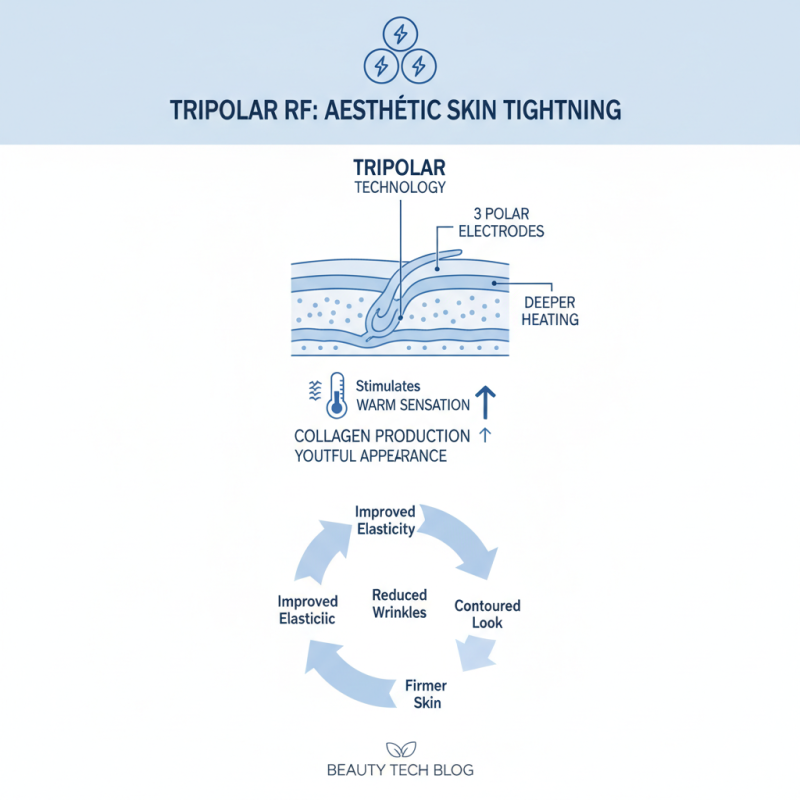
Tripolar radio frequency (RF) has emerged as a popular tool in aesthetic treatments. It utilizes a unique technology that delivers energy to the skin via three polar electrodes. This method effectively heats the deeper layers of the skin. Patients experience a warm sensation, which stimulates collagen production. As collagen increases, skin tightens and appears more youthful.
In aesthetic clinics, tripolar RF is often used for non-invasive skin rejuvenation. Treatments may address wrinkles, sagging skin, and uneven texture. Many patients seek this procedure for its convenience and minimal downtime. Sessions usually last around 30 minutes, allowing for quick and efficient results. However, the effectiveness can vary. Not everyone may see significant improvement, leading to some dissatisfaction.
Potential side effects include mild redness or swelling. These effects are usually temporary but can be a concern for some. It’s important for patients to discuss their expectations. Understanding the limitations and potential outcomes is crucial. Tripolar RF can offer impressive results, but it isn’t a miracle solution. Clients must remain realistic about their goals to avoid disappointment.
Comparative Efficacy of Tripolar RF vs. Other RF Technologies
Tripolar radio frequency (RF) technology is gaining attention. It uses three electrodes to deliver energy into the skin. This method enhances treatment depth and delivers heat more evenly than traditional RF machines. Compared to monopolar and bipolar RF, tripolar RF seems effective in skin tightening and rejuvenation.
When examining the efficacy of tripolar RF against other technologies, some differences stand out. Monopolar RF targets deeper layers but can be uncomfortable. Bipolar RF, meanwhile, offers surface benefits but may lack depth. Tripolar RF strikes a balance; it delivers energy to various skin layers with moderate heat. Users often report smoother skin texture after treatments.
However, results can vary. Some individuals see immediate improvements, while others may take longer. Factors like skin type and treatment frequency play a role. It’s crucial for users to have realistic expectations. Results might not be the same for everyone. This nuance highlights the need for personalized assessments before undergoing any RF treatment.
Safety and Side Effects Associated with Tripolar Radio Frequency Treatments
Tripolar radio frequency (RF) treatment has gained attention for skin tightening and body contouring. However, safety and potential side effects are crucial to consider. The procedure uses energy to heat the skin, stimulating collagen production. While many report positive results, not everyone experiences the same outcome.
Side effects may include redness, swelling, or minor discomfort post-treatment. Some individuals might experience bruising. These reactions are generally temporary but can be concerning. It's important to discuss any pre-existing conditions with a professional before the procedure. People with certain skin types may also experience different reactions.
Patients should have realistic expectations. Results can vary based on individual skin conditions and response. The treatment might not work for everyone, and some may feel disappointed. This highlights the importance of communicating openly about anticipated outcomes. A thorough consultation can help address concerns and enhance safety throughout the process.
Tripolar Radio Frequency Treatment: Efficacy and Safety Profile
This chart illustrates the efficacy, safety, side effects, and popularity ratings associated with tripolar radio frequency treatments. Efficacy is rated at 85%, while safety stands at 70%. Reports of side effects are lower at 40%, and the treatment's popularity is high at 90%.