Why Do Vape Batteries Need Proper Storage?
Vape Batteries are compact lithium-ion cells, but their small size can hide serious energy. When stored carelessly, heat, moisture, pressure, or metal contact may damage the battery. A loose cell in a pocket can touch keys or coins. That simple contact may create rapid discharge and dangerous heat. Proper storage protects the battery, the device, and people nearby. It also supports more predictable performance when the battery is needed.
In everyday use, storage often becomes an afterthought. A battery left in a hot car, damp drawer, or direct sunlight may age faster. Manufacturer instructions should guide temperature limits, charging levels, and compatible cases. Insulated protective cases are useful for spare cells. They prevent contact with other objects. Batteries should remain dry, undamaged, and away from children and pets. Do not use cells with torn wraps, dents, swelling, leakage, or unusual odors. Stop there. Follow local recycling guidance, and never place damaged lithium batteries in household trash.
Safety agencies and battery manufacturers consistently emphasize protection from heat, short circuits, and physical damage. Yet no single storage rule fits every model. That is where careful reading matters. Check the product manual, inspect batteries regularly, and replace questionable cells through approved channels. My own practical lesson is less dramatic: tidy storage prevents rushed decisions. Still, even careful users can miss a worn wrapper. That possibility deserves attention. Proper storage is not merely maintenance; it is a small, repeatable safety habit.
What Vape Batteries Are and How They Store Energy
Vape batteries are usually rechargeable lithium-ion cells. They store energy through a chemical reaction between two electrodes. During charging, lithium ions move toward the negative electrode. During use, they travel back through the electrolyte. Electrons move through the device’s circuit, creating power for the heating system. Small, powerful, and sensitive.
This energy system can react badly to heat, impact, moisture, or metal contact. A loose battery in a pocket may touch keys or coins. That contact can create a short circuit and generate dangerous heat. I used to think a battery was safe whenever it looked normal. That assumption was too simple. Internal damage may not be visible.
Store batteries in a cool, dry place away from direct sunlight. A protective case is better than a drawer filled with metal objects. Keep spare cells separated from chargers and other batteries. Many safety specialists recommend partial charge for longer storage, often around 40 to 60 percent. Check the battery before use. Swelling, dents, torn wrapping, leaking, unusual heat, or a sharp smell require caution. Do not use or charge a damaged cell. Replace it through an appropriate battery recycling service. Use the correct charger and avoid charging on beds, sofas, or other soft surfaces. A clear, nonflammable area is safer. Even careful storage cannot remove every risk.
How Storage Conditions Affect Battery Safety and Performance
Vape batteries need proper storage because their environment affects both safety and daily performance. Heat can increase internal pressure and accelerate battery aging. A car dashboard on a sunny day is especially risky. Cold temperatures may reduce output, making the device feel weak or inconsistent. Moisture creates another problem. It can corrode contacts and damage electronic components. Even a small amount of condensation matters.
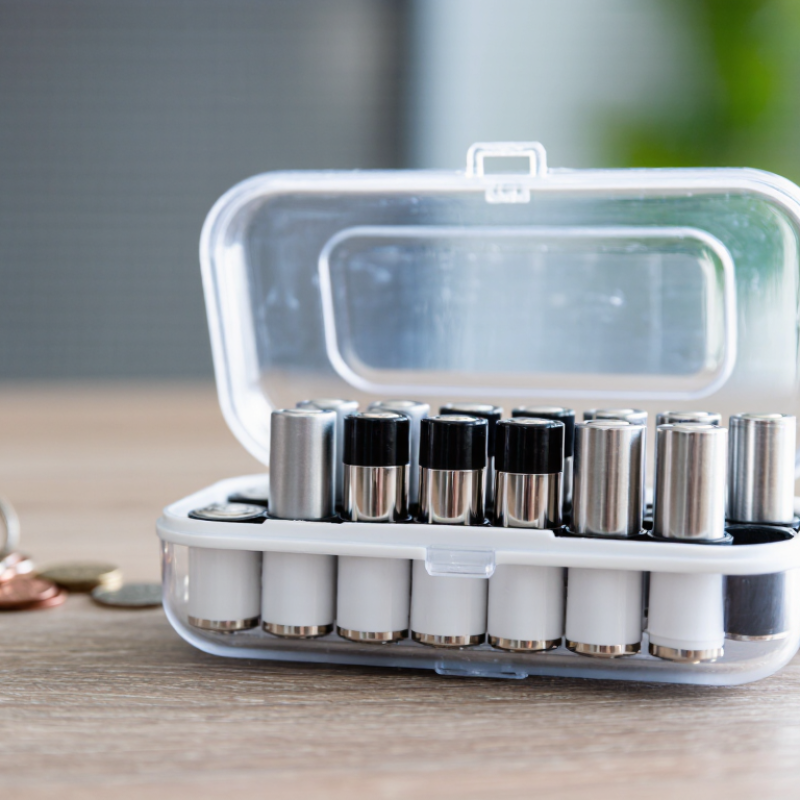
Store batteries in a cool, dry place away from direct sunlight. Keep them in a protective case, not loose in a pocket or drawer. Keys, coins, and other metal objects can touch the terminals and create a dangerous short circuit. For longer storage, a moderate charge level is generally better than leaving the battery completely empty or fully charged. Inspect the wrapping regularly. Any swelling, leaking, torn covering, unusual heat, or chemical smell requires immediate attention. Do not use or charge a damaged battery.
Tips: Check the battery before every use. Keep storage away from children, pets, water, and flammable materials. Avoid leaving a battery connected to a device for extended periods. Local disposal guidance should be followed for worn or damaged batteries. These habits sound simple, but they are easy to overlook during busy mornings. A quick inspection can prevent a small storage mistake from becoming a serious safety issue.
Common Risks from Heat, Moisture, Damage, and Accidental Activation
Why Do Vape Batteries Need Proper Storage?
Common Risks from Heat, Moisture, Damage, and Accidental Activation
A vape battery can look harmless when it sits unused, but storage conditions still matter. High temperatures increase internal pressure and may weaken the battery’s protective components. A closed car on a sunny afternoon is especially risky. Never leave a device on a dashboard, near a heater, or under direct sunlight. Cool and dry storage is safer.
Moisture creates another problem. Condensation can reach charging ports and electrical contacts, causing corrosion or an unexpected short circuit. Keep the device away from bathrooms, wet bags, and kitchen sinks. If it becomes damp, do not charge it immediately. Let it dry completely, and check the manufacturer’s safety instructions.
Physical damage deserves attention too. A dented casing, cracked surface, swelling, unusual smell, or excessive heat can signal a damaged battery. Stop using it. Do not squeeze, puncture, open, or repair it yourself. Accidental activation is easier to overlook. A device pressed inside a pocket or bag can heat up without obvious warning. Use its lock feature when available, and store it away from keys, coins, and other metal objects. I once assumed a short trip required no precautions. That assumption was careless. Small habits often prevent larger problems.
Safe Storage Practices for Vape Batteries at Home and Away
Why Do Vape Batteries Need Proper Storage?
Safe Storage Practices for Vape Batteries at Home and Away
Vape batteries store substantial energy in a small metal cell. Heat, crushing, moisture, or a short circuit can trigger rapid failure. That failure may produce fire, smoke, or hot metal. A common mistake is treating a battery like an ordinary spare part. It is not.
The U.S. Fire Administration recorded 195 electronic-cigarette fire and explosion incidents from 2009 to 2016. Its report noted 133 acute injuries, including 38 severe injuries. The data is historical and likely incomplete, but it remains a useful warning. UL Research Institutes explains that damaged lithium-ion cells can enter thermal runaway. Self-heating then accelerates inside the cell.
At home, keep batteries cool, dry, and away from direct sunlight. Use a protective case for loose cells. Never place them beside coins, keys, tools, or other metal objects. Do not store damaged, swollen, leaking, or unusually hot batteries. Remove them from service carefully. A drawer feels safe. It may not be.
Away from home, avoid leaving batteries in a parked car, especially during warm weather. The FAA Pack Safe guidance requires spare lithium batteries in carry-on baggage, with terminals protected against short circuits. Check current airline instructions before travel. Charging also deserves attention. Use compatible equipment, keep the surface clear, and avoid overnight charging when possible. I still think “out of sight” feels safer than it really is.
When to Inspect, Replace, or Dispose of a Vape Battery
A vape battery needs careful storage because lithium-ion cells can release intense heat after physical damage, short-circuiting, or overheating. The U.S. Fire Administration documented 195 electronic-cigarette fire and explosion incidents from 2009 to 2016, causing 133 injuries. That history makes inspection more than a routine chore.
Inspect the battery before every use. Look for dents, torn wrapping, swelling, corrosion, leaking, or unusual heat. Stop using it immediately if any sign appears. A battery that smells chemical or hisses is not “probably fine.” Move away from flammable materials, avoid touching a severely hot cell, and seek local safety guidance. Never puncture, crush, open, burn, or place a damaged battery in household trash. The U.S. Environmental Protection Agency advises sending lithium-ion batteries to approved recycling or household hazardous-waste programs.
Replace a battery when its wrapper loosens, charging becomes erratic, or runtime drops sharply. Age alone is not a perfect test, but repeated charging increases wear. The International Electrotechnical Commission’s battery safety work emphasizes protection against overcharge, overheating, and short circuits. Use only a compatible charger and keep the battery dry, cool, and separated from coins or keys during storage.
Storage mistakes are easy to repeat. A pocket can become a metal-lined hazard. I once underestimated a small tear because the battery still worked. That judgment was wrong. When disposal is necessary, tape exposed terminals without covering damaged areas, keep the cell away from children, and contact a certified collection point.
