What Is CO2 Fractional Laser and How Does It Work?
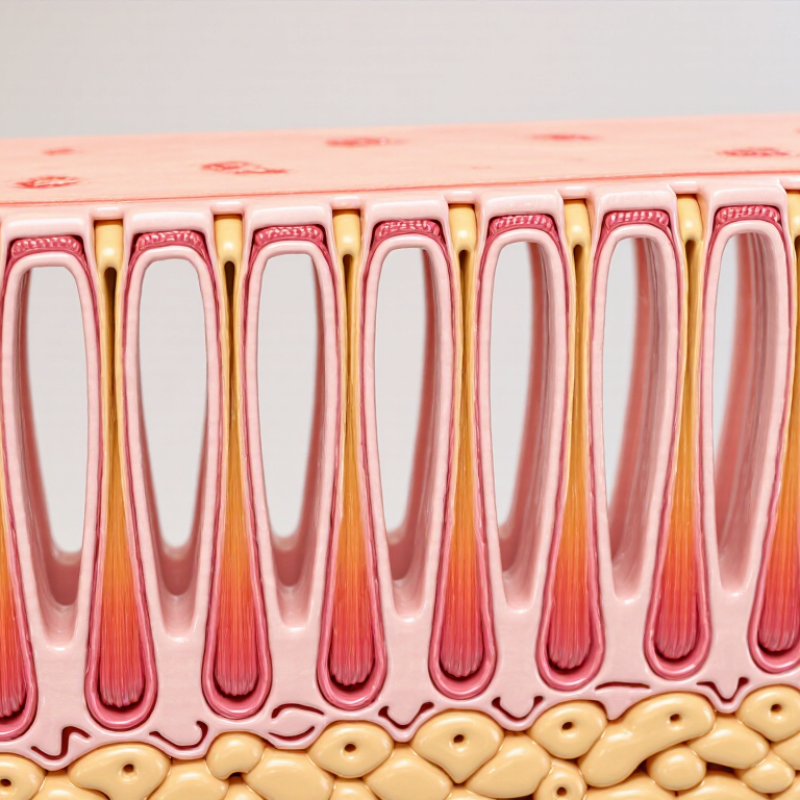
What is a co2 fractional laser, and why has it become important in modern skin resurfacing? This technology delivers carbon dioxide laser energy through microscopic columns. Untreated skin remains between these columns. That design supports faster recovery than fully ablative resurfacing, although results and downtime still vary.
The American Society for Dermatologic Surgery’s 2023 consumer survey reported strong interest in improving skin texture, discoloration, and signs of aging. Industry analyses from Grand View Research also identify aesthetic lasers as a growing global market, driven by demand for minimally invasive treatments. These reports show commercial momentum, not guaranteed clinical success. That distinction matters.
A co2 fractional laser creates controlled thermal injury inside selected skin layers. Heat vaporizes tiny areas of tissue and stimulates wound-healing responses. New collagen formation may gradually soften acne scars, fine lines, uneven texture, and some pigmentation concerns. The process feels intense. Cooling, topical anesthetic, and careful aftercare can improve comfort.
Clinical judgment remains essential. Skin type, scar depth, active acne, medication use, and healing history influence treatment planning. A 2022 review in Lasers in Medical Science described fractional CO2 resurfacing as effective for several textural concerns, while emphasizing adverse-effect risks and patient selection. Redness, swelling, prolonged darkening, infection, or scarring can occur.
The laser is precise. Skin is not predictable.
A qualified dermatologist should assess candidacy and explain realistic timelines. Results often develop over several months, rather than overnight. Even professional reports have limitations, because device settings, study designs, and patient populations differ. This article examines how co2 fractional laser technology works, what it may improve, and where caution is necessary.
What Is a CO2 Fractional Laser?
What is a CO2 fractional laser? It is a medical skin-resurfacing device that uses carbon dioxide laser energy, usually at a wavelength of 10,600 nanometers. The laser removes microscopic columns of damaged skin. Untreated skin remains between these columns, helping the area heal more efficiently. This fractional pattern distinguishes it from older, fully ablative resurfacing methods.
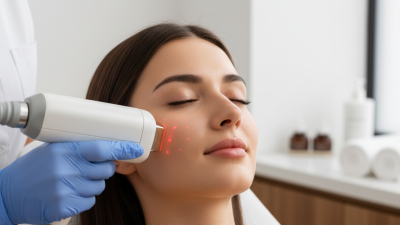
The treatment can soften acne scars, fine lines, uneven texture, and some sun-related changes. During a session, a clinician cleans the skin and applies topical or local anesthesia. The device then delivers controlled pulses across the selected area. Most patients notice heat, swelling, and strong redness afterward. Peeling may begin several days later. Recovery is not always predictable. Some people heal quickly, while others experience redness for weeks.
CO2 fractional laser treatment is powerful, not merely cosmetic light therapy. A qualified dermatologist or licensed medical provider should assess skin type, scarring, medical history, and healing risks. Darker skin tones may face a higher risk of temporary or persistent pigmentation changes. Active infections, poor wound healing, and unrealistic expectations also require careful discussion. Eye protection is essential during treatment. Results develop gradually as collagen remodels, and one session may not correct every concern. It is not a perfect reset.
How CO2 Fractional Laser Technology Works
CO2 fractional laser uses carbon dioxide energy to create microscopic channels in the skin. These channels reach controlled depths and form narrow columns of thermal injury. Untreated skin remains between them. This fractional pattern helps the skin repair itself more efficiently than fully resurfacing the entire surface.
During treatment, the laser energy vaporizes tiny areas of water-rich tissue. Heat then stimulates a wound-healing response around each channel. Fibroblasts may produce new collagen and elastin during the following weeks. As the skin remodels, acne scars, fine lines, uneven texture, and some pigmentation may appear softer. The result depends on energy settings, treatment depth, skin condition, and healing capacity.
It is a medical procedure.
A qualified clinician should examine the skin before treatment. They may adjust the pattern and intensity according to scar depth, sensitivity, and pigmentation risk. Redness, swelling, peeling, and temporary darkening can occur after the session. Darker skin tones may need extra caution because post-inflammatory hyperpigmentation is more likely. Strict sun protection and gentle aftercare support recovery, but they cannot remove every risk. The process sounds precise, yet skin is not perfectly predictable. Some people need several sessions, while others see limited improvement. Careful assessment matters more than aggressive settings.
What Skin Concerns Can It Treat?
CO2 fractional laser is an ablative treatment that targets tiny columns of skin. It removes damaged surface tissue while leaving nearby skin intact. That controlled injury encourages new collagen and elastin production. Think of it as careful resurfacing, not instant skin replacement.
It can soften moderate acne scars, especially shallow boxcar scars and uneven texture. It may also improve fine lines around the mouth, eyes, and cheeks. Sun-damaged skin can appear smoother, brighter, and more even after healing. Enlarged pores may look less noticeable as collagen reorganizes. Some raised or uneven surgical scars can respond, although scar type strongly affects the result. Stretch marks sometimes improve, but complete removal is unrealistic.
Dark spots require extra caution. The treatment may help certain pigmentation problems, yet it can also trigger temporary or persistent darkening, particularly in deeper skin tones. A qualified dermatologist should assess your skin history, medications, healing tendency, and current condition. Experience matters because treatment depth and recovery care must be adjusted carefully. Results are not perfectly predictable. Redness, swelling, peeling, and several days of downtime are common. Strict sun protection supports healing and reduces pigment changes. It may be tempting to judge the skin too early, but collagen remodeling can continue for months.
What Happens During a CO2 Fractional Laser Session?
A CO2 fractional laser session begins with a consultation and skin assessment. The clinician reviews your medical history, skin sensitivity, and treatment goals. Recent tanning, active infections, or certain medications may require postponement. This step can feel routine, but it protects the skin from avoidable complications.
The skin is cleansed carefully, then a topical anesthetic may remain for about 30 to 60 minutes. During treatment, the laser creates microscopic columns of controlled heat in the skin. Untreated areas remain between them, supporting a gradual healing response. You may feel warmth, snapping, or pressure. Protective eyewear is essential. The clinician usually treats the area in an organized pattern, adjusting energy and coverage according to your skin and comfort.
Afterward, the skin often appears red and swollen, much like a strong sunburn. Tiny brownish dots or a rough texture may develop during the first few days. Cooling measures and a bland, approved ointment can ease discomfort. Avoid picking, intense exercise, direct sunlight, and unapproved products while the surface repairs. Healing speed varies widely. That matters. A common mistake is judging the result too early, when the skin is still inflamed. Even experienced practitioners must balance visible improvement with the risk of prolonged irritation, especially on darker or sensitive skin. Follow-up care should include clear instructions and a way to contact the treating medical professional.
Benefits, Risks, and Recovery Considerations
What Is CO2 Fractional Laser and How Does It Work?
CO2 fractional laser uses focused carbon dioxide energy to create microscopic treatment columns in the skin. These controlled injuries remove tiny areas of damaged tissue while leaving nearby skin intact. The surrounding skin supports repair, collagen remodeling, and gradual texture improvement. It can soften acne scars, fine lines, uneven pigmentation, and some sun-related changes. Results depend on skin type, scar depth, treatment settings, and medical history. It is not a surface polish.
Benefits come with real limits. Skin may look smoother and firmer, but one session rarely fixes every concern. Common effects include redness, swelling, warmth, peeling, and temporary sensitivity. Darker skin tones may face a higher risk of post-inflammatory hyperpigmentation. Less common complications include infection, prolonged redness, milia, scarring, or pigment changes. A qualified medical professional should review active skin conditions, healing problems, medication use, and previous cosmetic treatments before proceeding.
Recovery is rarely instant. The treated area may feel like sunburn for several days, followed by dryness and visible flaking. Gentle cleansing, prescribed ointment, and strict broad-spectrum sun protection support healing. Avoid picking, harsh acids, retinoids, heat exposure, and strenuous exercise until the skin barrier recovers. Makeup may remain unsuitable during early healing. Healing is not always photogenic. A cautious treatment plan may produce slower results, yet aggressive settings can create avoidable problems. Follow-up matters, especially when redness, swelling, pain, drainage, or pigmentation changes worsen instead of improving.