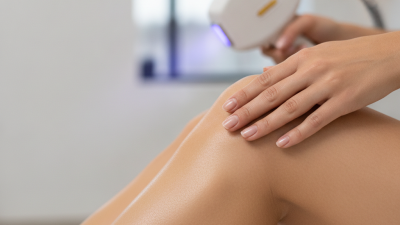
Laser skin resurfacing uses focused light to improve the skin’s surface and texture. It may soften fine lines, sun damage, uneven tone, and some acne scars. The treatment is not one single procedure. Ablative lasers remove tiny areas of tissue, while non-ablative devices heat deeper layers without removing the surface. Fractional systems treat narrow columns of skin, leaving nearby tissue intact. The right approach depends on the concern, skin type, medical history, and recovery time a person can manage.
Dr. Tina Alster, a board-certified dermatologist known for her work with laser treatments, offers a useful principle: “The treatment should be tailored to the patient, not the other way around.” That idea matters because a setting that suits one face may irritate another. A careful consultation should cover likely benefits, risks, downtime, and alternatives. It should also include questions about the clinician’s experience with the specific device.
What does recovery look like? After an ablative treatment, skin may feel warm and look red, much like a strong sunburn. Healing can take days or longer, depending on the laser and treatment depth. Non-ablative procedures often involve less downtime, though results may be subtler or require multiple sessions. It is not magic. Redness, swelling, infection, pigment changes, and scarring are possible complications. Sun protection and clear aftercare instructions are essential. Results vary, and even a well-planned procedure cannot erase every mark. Understanding how the laser works helps patients weigh realistic improvement against recovery and risk.
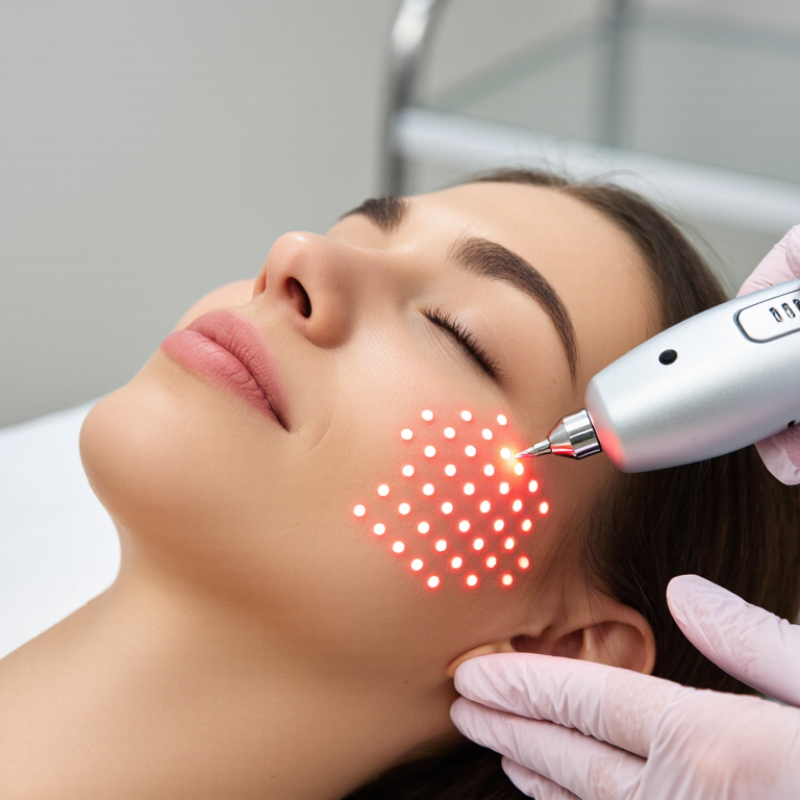
Laser skin resurfacing uses focused light energy to treat selected layers of skin. Depending on the device and settings, treatment may remove tiny amounts of outer skin or warm deeper tissue. The controlled response can encourage collagen remodeling as the skin heals. It is not a general skin reset.
Clinicians may use it to soften fine lines, uneven texture, sun-related spots, and some shallow acne scars. A consultation should clarify the concern being treated, likely improvement, and alternatives. Ablative methods usually involve more visible downtime. Non-ablative methods leave the surface more intact but may require several sessions. Neither approach erases every mark. Results vary.
Before treatment, a dermatologist or other qualified clinician should review medical history, skin tone, recent tanning, medicines, and any tendency to scar. These details matter because redness, swelling, infection, pigment changes, and scarring are possible complications. Afterward, skin may feel hot or tight, like a mild sunburn. Careful wound care and sun protection are important. Healing can take days or longer, depending on treatment depth. It is tempting to judge results early, but collagen changes take time, and not every uneven patch responds predictably.
Laser resurfacing works by delivering light energy to selected skin targets, rather than “polishing” the surface uniformly. Water absorbs much of the energy from ablative lasers, heating tissue and removing tiny columns of skin. Common wavelengths include 10,600 nanometers for carbon dioxide lasers and 2,940 nanometers for erbium:YAG lasers. These figures matter: water absorbs strongly near 2,940 nanometers, so treatment depth and heat spread differ by wavelength (Alster and Lupton, 2001).
Heat triggers a controlled repair response. Fibroblasts produce collagen as the skin heals, while the clinician adjusts energy, coverage, and passes to limit injury. With fractional treatment, the beam creates microscopic treatment zones separated by untreated skin. Manstein and colleagues described this approach in a 2004 report; the spared areas help support healing between treated spots. Tiny dots, not a blanket burn.
The interaction is not identical across skin tones. Melanin can also absorb laser energy, which may raise the risk of unwanted pigment changes, especially when settings or timing are poorly matched. That risk deserves an honest discussion. A careful assessment of skin type, recent tanning, medications, and healing history helps guide treatment choices, but no setting removes every risk. The numbers describe light; they do not predict one person’s result.
Laser skin resurfacing uses controlled light energy to change the skin’s surface or stimulate collagen beneath it. The two broad approaches are ablative and non-ablative. They differ in how much tissue they affect and how much recovery they usually require.
Ablative lasers remove thin layers of skin, often by vaporizing targeted tissue. The treated area may feel raw and look red or swollen for several days or longer. As it heals, new skin forms; collagen changes may continue gradually. This approach can address pronounced sun damage, uneven texture, or certain scars, but it carries risks such as infection, pigment changes, and scarring. Careful aftercare matters.
Non-ablative lasers heat deeper skin without removing the outer layer. Many people have milder redness and return to normal activities sooner, though results may build over several sessions. “Gentler” can mislead: irritation and pigment changes are still possible, especially when treatment settings do not suit someone’s skin. Some devices use fractional patterns, leaving tiny untreated areas between treated spots. That can support healing, but it does not make treatment risk-free. A qualified clinician can assess skin tone, medical history, goals, and likely recovery before recommending an approach. The right choice is not always the most intensive one.
Ablative lasers remove outer layers of skin, while non-ablative lasers heat underlying tissue without removing the surface. The chart shows approximate visible recovery or downtime ranges; actual healing varies by laser, treatment intensity, and individual.
What Happens During a Treatment
A laser resurfacing appointment usually begins with a conversation about your skin, medical history, and goals. The clinician may ask about recent sun exposure, medications, and past skin treatments. These details can affect whether treatment is appropriate and which settings are chosen. There is no single routine that suits everyone.
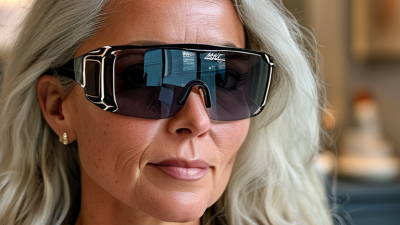
Before the laser is used, your skin is cleaned, and protective eyewear is fitted. A topical anesthetic may be applied, especially for more intensive treatment. The clinician moves the device across the treatment area in controlled passes. You might feel warmth, snapping, or prickling. Brief pauses can happen. The room may smell faintly warm, like heated dust.
Treatment length depends on the area and laser type. Some sessions take only a short time; larger areas may take longer. With fractional lasers, tiny columns of skin are treated while nearby skin remains untouched. That does not mean recovery is effortless. Redness, swelling, and a sunburn-like feeling can follow, and downtime varies. Before leaving, you should receive specific aftercare instructions, including how to cleanse and protect your skin. Ask what changes are expected and when to contact the clinic; those practical details are easy to overlook.
| Treatment Stage | What Happens | Typical Details | Purpose |
|---|---|---|---|
| Consultation and skin assessment | A qualified clinician reviews skin concerns, medical history, medications, skin type, and previous procedures. | They discuss expected results, possible risks, recovery, and whether an ablative or non-ablative approach may be suitable. | To choose an appropriate treatment plan and identify factors that could affect healing or safety. |
| Preparation | The treatment area is cleansed. Photos may be taken, and protective eyewear is provided to the patient and treatment staff. | Depending on the laser and area treated, a topical anesthetic may be applied beforehand; some procedures may use other pain-control measures. | To prepare the skin, document its condition, and protect the eyes from laser light. |
| Laser application | The clinician moves the laser handpiece across the planned area in a controlled pattern. | Light energy is delivered in brief pulses. Ablative lasers remove or vaporize targeted outer skin layers; non-ablative lasers heat tissue beneath the surface without removing as much surface skin. | To improve selected concerns by removing damaged skin, stimulating a healing response, or encouraging collagen remodeling. |
| Sensation during treatment | People may feel warmth, prickling, or brief snapping sensations. Cooling may be used during or after treatment. | Sensation varies with the laser, treatment area, settings, and individual pain tolerance. | To manage comfort while the clinician treats the targeted skin. |
| Typical session length | The treatment itself may take approximately 15–90 minutes. | Time depends on the size of the area and the treatment approach; consultation, numbing, and preparation add time to the visit. | To set realistic expectations for the appointment. |
| Immediately afterward | The skin may look red or swollen and feel warm or sensitive. After ablative treatment, the surface may be raw or form small crusts as it heals. | The clinician provides individualized instructions for cleansing, moisturizing, sun protection, and follow-up. | To protect the treated skin and support healing. |
| Recovery | Recovery varies by treatment depth. Non-ablative procedures often involve less visible downtime; ablative procedures generally require more intensive wound care and a longer recovery. | Redness and sensitivity can persist beyond the first few days, especially after more intensive treatment. The exact healing period varies. | To allow the skin to recover while reducing the risk of irritation, infection, and pigment changes. |
| Aftercare and sun protection | Patients follow the clinician’s skin-care instructions, avoid picking or scrubbing the treated area, and protect healing skin from sunlight. | Contact the treating clinician if symptoms worsen or signs of infection develop. Do not restart active skin-care products until advised. | To support healing and reduce the chance of complications or unwanted discoloration. |
Important: Treatment type, settings, results, and recovery differ from person to person. Laser resurfacing should be planned and performed by a qualified medical professional after an individual assessment.
Laser skin resurfacing uses focused light to treat selected skin layers. The exact recovery depends on the laser type, treatment depth, and individual skin. Ablative treatments often leave skin raw, red, and swollen for several days or longer. Non-ablative treatments may cause temporary redness and warmth instead. Healing takes patience.
During recovery, skin may feel tight, sting, or form tiny crusts. Follow your clinician’s aftercare instructions, keep treated areas clean, and avoid picking or rubbing them. Sun protection matters while skin heals; even brief exposure can worsen irritation or discoloration. Do not restart strong skincare products until your clinician says it is appropriate. Small details matter.
Results usually develop gradually as redness settles and collagen changes continue over the following weeks or months. Some people need more than one session, and improvement is not guaranteed. Possible risks include prolonged redness, infection, scarring, and lighter or darker patches, especially when aftercare or treatment choices do not suit the person’s skin. A qualified medical professional should assess your skin, health history, and expectations before treatment. Seek prompt medical advice for worsening pain, spreading redness, pus, or fever.