What is Q Switched ND YAG Laser and Its Benefits for Skin?
The Q Switched ND YAG Laser is a powerful tool in the field of dermatology. Dr. Emily Chen, a renowned laser specialist, emphasizes its impact: “This laser changes the way we treat skin concerns.” The device uses short bursts of energy to target pigmented lesions and tattoos effectively.
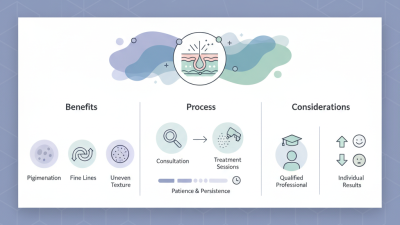
In recent years, the popularity of the Q Switched ND YAG Laser has grown significantly. Its ability to treat various skin issues, including pigmentation, acne scars, and even fine lines, makes it a versatile option for many patients. Each session usually requires minimal downtime, making it appealing for individuals with busy lifestyles. However, it is important to set realistic expectations about the results. Not everyone responds the same way to treatment, and some patients may need multiple sessions.
Despite its advantages, it’s crucial for patients to consult qualified professionals before proceeding. A thorough skin assessment ensures the treatment is tailored to individual needs. As with any procedure, there can be risks involved. Post-treatment care is vital for achieving optimal results. Understanding these nuances of the Q Switched ND YAG Laser can lead to a more satisfying experience and, ultimately, better skin health.

What is Q Switched ND YAG Laser and How Does It Work?
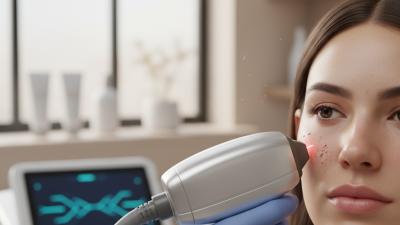
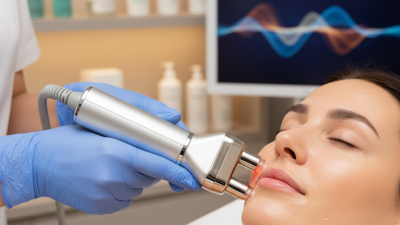
The Q Switched ND YAG Laser is a cutting-edge treatment in dermatology. It operates at a specific wavelength, effectively targeting pigment and tattoo ink without damaging surrounding skin. The laser emits short bursts of energy that break down pigmentation into smaller particles. This process allows the body to naturally eliminate the ink or pigmented spots.
Studies show that the Q Switched ND YAG Laser can achieve a reduction of up to 80% in tattoo visibility after several sessions. A 2014 report published in the Journal of Clinical and Aesthetic Dermatology highlights that patients often experience minimal discomfort and quick recovery times. However, each individual's response can vary, necessitating tailored treatment plans.
Despite its benefits, there are considerations to keep in mind. Some patients report side effects such as temporary redness or swelling. There can also be a risk of hyperpigmentation, particularly in darker skin types. Continuous evaluation of patient outcomes is essential to refine techniques and enhance results, ensuring that practitioners remain informed about the latest advancements in laser technology.
Key Applications of Q Switched ND YAG Laser in Dermatology
The Q-switched ND YAG laser is a powerful tool in dermatology, specifically designed for pigment removal and skin rejuvenation. This laser uses short bursts of energy to target pigment cells while leaving surrounding tissue unharmed. Research from the American Society for Dermatologic Surgery indicates a success rate of over 85% for treating conditions like melasma and age spots.
Key applications include tattoo removal, where the laser effectively fragments ink particles for removal by the body. Another application is in treating vascular lesions such as spider veins. Studies suggest that patients often experience significant improvement after only a few sessions. However, results can vary depending on skin type and condition severity.
When considering treatment, always consult with a qualified professional. Individual responses to lasers can differ significantly. Be aware of the potential for temporary side effects, such as redness or swelling, which may require time to resolve. Overall, the Q-switched ND YAG laser offers promising results for various skin concerns, but personalized advice is essential for optimal outcomes.
Q Switched ND YAG Laser Applications in Dermatology
This bar chart illustrates the number of treatments conducted for various skin conditions using Q Switched ND YAG Laser technology. The data highlights the popularity and effectiveness of this laser treatment across different dermatological applications, showcasing its role in tattoo removal, pigmentation treatment, acne scar reduction, skin rejuvenation, and vascular lesion treatment.
Benefits of Q Switched ND YAG Laser for Various Skin Types
The Q-switched Nd:YAG laser is becoming popular for skin treatments. It effectively targets pigmentation issues, such as age spots and melasma. Studies show that up to 80% of patients see significant improvements after a series of treatments. This laser's fast pulses prevent thermal damage, making it suitable for various skin types, including sensitive skin.
One key benefit is its versatility. It can treat red, brown, and even blue tattoos. Additionally, its efficacy on both light and dark skin tones simplifies treatment planning. A report by the American Society for Dermatologic Surgery indicates that Q-switched lasers are considered safe for skin types I to V. This safety aspect is crucial as not all lasers can achieve similar results across diverse skin tones.
However, outcomes can vary. Some individuals may experience temporary side effects, such as redness or swelling. A small percentage may not respond well, or they might need additional sessions for desired results. It's essential to consult a skilled professional to assess individual needs. This ensures treatments are tailored effectively, maximizing the benefits of this advanced laser technology.
What is Q Switched ND YAG Laser and Its Benefits for Skin?
| Skin Type |
Indications |
Benefits |
Expected Results |
| All Skin Types |
Tattoo Removal |
Effective on various tattoo inks |
Significant fading or complete removal |
| Light to Medium Skin |
Pigment Disorders |
Reduces dark spots and hyperpigmentation |
Even skin tone and texture improvement |
| Dark Skin Types |
Acne Scars |
Promotes collagen production |
Smoother skin and reduced texture |
| Sensitive Skin |
Skin Rejuvenation |
Non-invasive with minimal downtime |
Improved skin clarity and reduced fine lines |
Comparison of Q Switched ND YAG Laser to Other Laser Treatments
The Q-Switched ND YAG laser stands out in the field of dermatological treatments, often compared to other laser therapies. It is particularly effective for addressing pigmentation issues, acne scars, and tattoo removal. A study published in the Journal of Cosmetic Dermatology found that Q-Switched lasers offer a reduction of up to 80% in pigmentation after multiple sessions. This is notably higher than many other laser options, which may show less dramatic results or require more frequent treatments.
This laser operates at specific wavelengths of 1064 nm and 532 nm, allowing it to target melanin and various pigments effectively. In contrast, traditional lasers may deliver less precise energy, sometimes leading to longer recovery times and less satisfactory outcomes. Clinical observations show that Q-Switched ND YAG treatments typically result in minimal downtime, often allowing individuals to resume normal activities the same day. However, some patients report slight discomfort during procedures.
When considering laser treatment options, it’s crucial to consult with a qualified professional. Not all lasers are suitable for every skin type, and understanding individual skin conditions plays a vital role in achieving optimal results. Appropriate pre-treatment assessments can significantly influence the effectiveness and safety of laser treatments.
Safety and Aftercare Considerations for Q Switched ND YAG Laser Treatments
Q Switched ND YAG Laser treatments have gained popularity due to their effectiveness in skin rejuvenation. However, safety and aftercare are crucial for optimal results. Clinical studies show that about 15-30% of patients experience mild side effects, such as redness or swelling, following their sessions. Understanding these aspects helps in minimizing risks.
Proper aftercare can significantly influence recovery time and treatment efficacy. Keeping the treated area clean and moisturized is vital. Experts recommend avoiding direct sun exposure for at least two weeks after treatment. According to the American Society for Dermatologic Surgery, around 40% of skin rejuvenation patients report improvement in texture and tone when following aftercare instructions diligently.
Despite the overall safety of Q Switched ND YAG Laser, some may still experience unexpected reactions. Individual skin types vary, and what works for one person may not work for another. It is essential to consult a qualified practitioner who can assess skin conditions accurately. Adequate communication about pre-existing conditions can enhance treatment outcomes and ensure safety.