
Top 10 Body Contouring Machines for Global Buyers
The global demand for body contouring machines is expanding as clinics seek non-surgical options with measurable outcomes and limited downtime. Market reports reflect this momentum, although their figures are not perfectly aligned. Grand View Research identifies steady growth in the global body contouring devices market, supported by aesthetic clinics, dermatology practices, and consumer interest in personalized treatment. Fortune Business Insights also forecasts continued expansion through the next decade, driven by radiofrequency, cryolipolysis, ultrasound, and electromagnetic technologies.
The numbers deserve careful reading. Reports may classify platforms differently. Some include energy-based systems, while others count only complete body sculpting devices. The International Society of Aesthetic Plastic Surgery reports sustained global demand for non-surgical aesthetic procedures, reinforcing the commercial relevance of this category. Still, popularity does not guarantee performance. Clinical evidence, operator training, treatment protocols, and patient selection remain decisive.
This guide examines the top 10 body contouring machines for global buyers through a practical, evidence-aware lens. Each option should be assessed by technology, treatment area, safety controls, consumable costs, maintenance support, and regulatory documentation. Buyers should also verify market-specific requirements, including FDA clearance in the United States, CE conformity in applicable European markets, and local registration rules elsewhere. Small details matter. A cooling applicator that fits unevenly may affect comfort and treatment consistency. A lower purchase price may hide expensive handpieces or weak after-sales service.
No ranking is universally correct. A premium clinic may value versatility, while a smaller practice may prioritize reliability and simple training. This comparison aims to clarify those trade-offs, not replace independent clinical and regulatory evaluation.
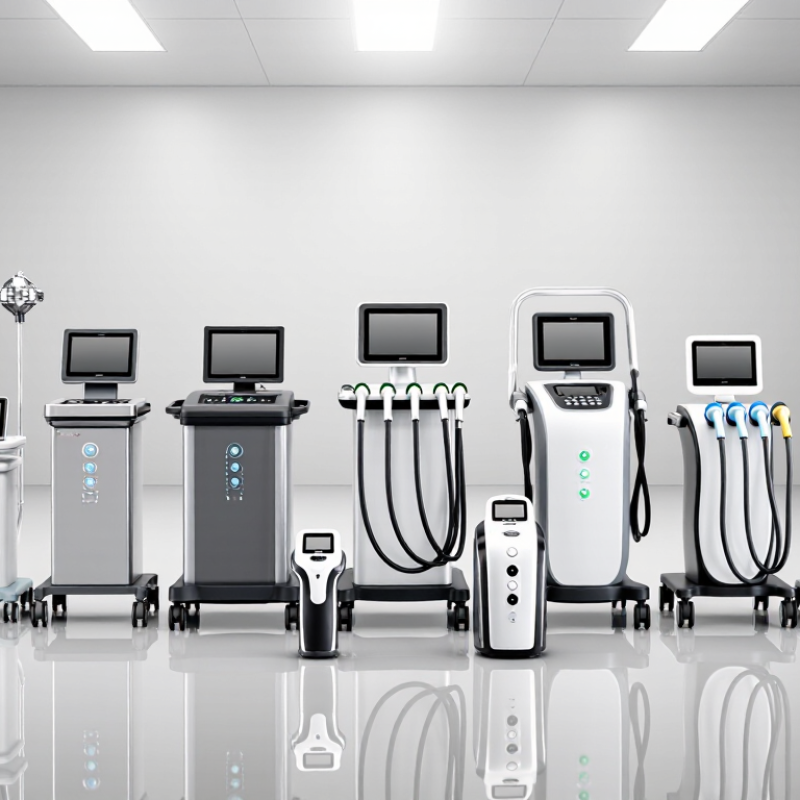
What Body Contouring Machines Are and How They Work
Body contouring machines use controlled energy to change selected tissue without surgery. Common systems include cryolipolysis, radiofrequency, focused ultrasound, electromagnetic stimulation, low-level light, and vacuum-assisted massage. Cooling targets fat cells, while radiofrequency warms tissue and may support collagen remodeling. Focused ultrasound creates concentrated thermal effects. Electromagnetic systems stimulate repeated muscle contractions.
The mechanism sounds simple. The purchasing decision is not. ISAPS’s 2023 Global Survey recorded more than one million nonsurgical fat-reduction procedures worldwide, showing strong demand for these services. Yet the U.S. Food and Drug Administration states that non-invasive contouring is not a treatment for obesity and does not produce weight-loss health benefits. That distinction matters. A machine may reduce a small, localized bulge, but results depend on tissue thickness, treatment settings, operator skill, and patient expectations. Results vary.
For global buyers, technical evidence should come before attractive specifications. Check published clinical studies, energy output, cooling or temperature controls, treatment-area limits, contraindications, and maintenance records. Market analyses, including Grand View Research’s body contouring device reports, forecast continued double-digit growth in several segments, but market growth does not prove clinical superiority. That is an uncomfortable point. Some devices are marketed with vague claims, and long-term comparative data remain limited. Ask for measurable outcomes, adverse-event reporting, training requirements, and regulatory clearance in the target country. A lower purchase price can become expensive when consumables, service delays, or poor patient selection enter the picture.
Top 10 Body Contouring Machines for Global Buyers - What Body Contouring Machines Are and How They Work
| Rank | Machine Type | Primary Technology | How It Works | Main Treatment Area | Typical Session | Typical Downtime | Key Advantages | Important Considerations |
|---|---|---|---|---|---|---|---|---|
| 1 | Cryolipolysis System | Controlled cooling | Cools a pinchable layer of subcutaneous fat. Fat cells are gradually removed by the body's natural clearance processes. | Abdomen, flanks, thighs, upper arms, and submental area with suitable applicators | 35–60 minutes per area | Usually none; temporary numbness or tenderness may occur | Non-surgical fat reduction with no incision and limited interruption to daily activities | Designed for localized fat, not weight loss. Avoid use in people with cold-sensitive disorders or poor cold tolerance. |
| 2 | Radiofrequency Body Contouring System | Monopolar, bipolar, or multipolar RF | Delivers controlled electromagnetic energy that heats tissue. The treatment is commonly used for skin tightening and may provide modest improvement in contour. | Abdomen, arms, thighs, buttocks, and neck area depending on the applicator | 30–60 minutes | Usually none; temporary redness or warmth is possible | Useful for skin laxity, comfortable treatment, and adjustable energy delivery | Requires proper temperature control and continuous skin monitoring to reduce burn risk. |
| 3 | High-Intensity Focused Ultrasound System | Focused ultrasound energy | Focuses acoustic energy at selected depths to create localized thermal effects in tissue without removing the skin surface. | Abdomen, flanks, thighs, and selected areas with adequate tissue thickness | 30–90 minutes | Usually none; soreness, swelling, or temporary sensitivity may occur | Precise depth targeting and non-invasive treatment of selected localized areas | Operator training is important because excessive energy or incorrect depth selection can cause discomfort or tissue injury. |
| 4 | High-Intensity Electromagnetic Muscle Stimulator | Pulsed electromagnetic stimulation | Induces repeated muscle contractions. The primary effect is muscle stimulation, while some systems also claim effects on local fat. | Abdomen, buttocks, arms, and thighs | 20–30 minutes | None; muscle soreness can resemble post-exercise soreness | Hands-free muscle stimulation and short treatment times | Not suitable for people with certain implanted electronic devices, including pacemakers, unless cleared by a qualified clinician. |
| 5 | Focused Shockwave Therapy System | Radial or focused acoustic waves | Produces mechanical pressure waves that stimulate tissue and may improve the appearance of cellulite by influencing connective tissue and local circulation. | Thighs, buttocks, hips, and areas with cellulite concerns | 20–40 minutes | Minimal; temporary redness, tenderness, or bruising may occur | Useful for cellulite-focused treatment and generally short appointments | Results vary, and it is not a replacement for surgical fat removal or weight management. |
| 6 | Ultrasonic Cavitation System | Low-frequency ultrasound | Uses ultrasound energy at the skin surface to create mechanical effects in tissue. Treatment claims and clinical results vary substantially by device and protocol. | Abdomen, hips, thighs, and arms | 30–60 minutes | Usually none; temporary redness or warmth is possible | Non-invasive, generally comfortable, and suitable for larger treatment surfaces | Energy output, treatment depth, and regulatory status differ widely. Use only validated devices and trained operators. |
| 7 | Low-Level Light Therapy System | Red or near-infrared light | Uses low-intensity light that does not significantly heat or damage the skin. It is marketed for temporary circumference reduction and body contouring support. | Waist, abdomen, hips, thighs, and arms | 20–40 minutes | None | Non-contact, painless, and appropriate for clinics seeking a low-heat treatment option | Expected changes are generally modest and protocol-dependent. Eye protection may be required. |
| 8 | Vacuum Massage and RF Combination System | Mechanical vacuum massage with RF or infrared heat | Uses suction and massage to mobilize soft tissue while heat-based energy warms the treatment area. It is commonly used for temporary smoothing and skin tightening. | Thighs, buttocks, abdomen, waist, and arms | 30–60 minutes | Usually none; temporary bruising or redness may occur | Combines massage, warming, and surface treatment in one appointment | Use caution with varicose veins, fragile capillaries, bleeding disorders, or anticoagulant medication. |
| 9 | Infrared Heating Body Contouring System | Near-infrared or far-infrared heat | Warms the skin and superficial tissues. It is primarily used for temporary circulation and relaxation effects rather than confirmed permanent fat removal. | Abdomen, back, thighs, and full-body wellness applications | 30–60 minutes | None; temporary sweating or redness may occur | Large treatment coverage, simple operation, and a comfortable wellness-oriented experience | Temporary water loss from sweating should not be presented as permanent fat reduction. Hydration and heat tolerance are important. |
| 10 | Pneumatic Compression Therapy System | Sequential air compression | Inflatable chambers apply controlled pressure in sequence to support venous and lymphatic fluid movement. It does not directly destroy fat cells. | Legs, hips, arms, and abdomen with suitable garments | 30–60 minutes | None | Useful as a recovery, wellness, and temporary fluid-management treatment | Screen for suspected deep-vein thrombosis, severe arterial disease, uncontrolled heart failure, and other contraindications before treatment. |
Typical session times and treatment effects vary according to device specifications, treatment area, patient factors, and local clinical protocols. Body contouring procedures are not a substitute for weight-loss treatment or a healthy lifestyle.
Related Posts
-
10 Best Body Contouring Machines for Global Buyers
-
Why Choose Alexandrite Laser Hair Removal for Smooth Skin?
-
How to Achieve Smooth Skin with Yag Laser Hair Removal Techniques?
-
Top 10 Benefits of Q Switched ND YAG Laser Treatments for Skin Rejuvenation?
-
10 Tips for Choosing a Radio Frequency Microneedling Machine
-
China Top 10 Photorejuvenation Devices for Global Buyers?