China Top Alexandrite Laser Manufacturers Where to Buy?

China has become a significant sourcing destination for aesthetic and medical laser equipment. For buyers researching China top alexandrite laser manufacturers, the challenge is not finding suppliers. The harder task is judging quality, documentation, service, and real production experience.

An alexandrite laser may look impressive in product photographs, yet performance depends on wavelength stability, cooling efficiency, pulse control, and handpiece design. Experienced buyers should request technical files, factory videos, calibration records, and clear model specifications. Details matter. A reliable manufacturer should explain testing procedures without hiding behind vague marketing language.

This guide introduces practical ways to compare Chinese manufacturers and identify suitable purchasing channels. It considers factory capability, certifications, clinical support, warranty terms, training, spare parts, and after-sales response. Buyers should also verify whether claimed certifications apply to the exact model being offered. That gap matters. Product quality can vary between batches, and online information may not show every limitation. Therefore, independent inspection, sample evaluation, and professional regulatory advice remain valuable before payment. The most suitable supplier is not always the one offering the lowest quotation. A stable manufacturing record, transparent communication, and documented support often provide greater long-term value. Even careful research can miss something. That is why a cautious, evidence-based purchasing process is essential for clinics, distributors, and authorized professionals seeking dependable laser equipment from China.
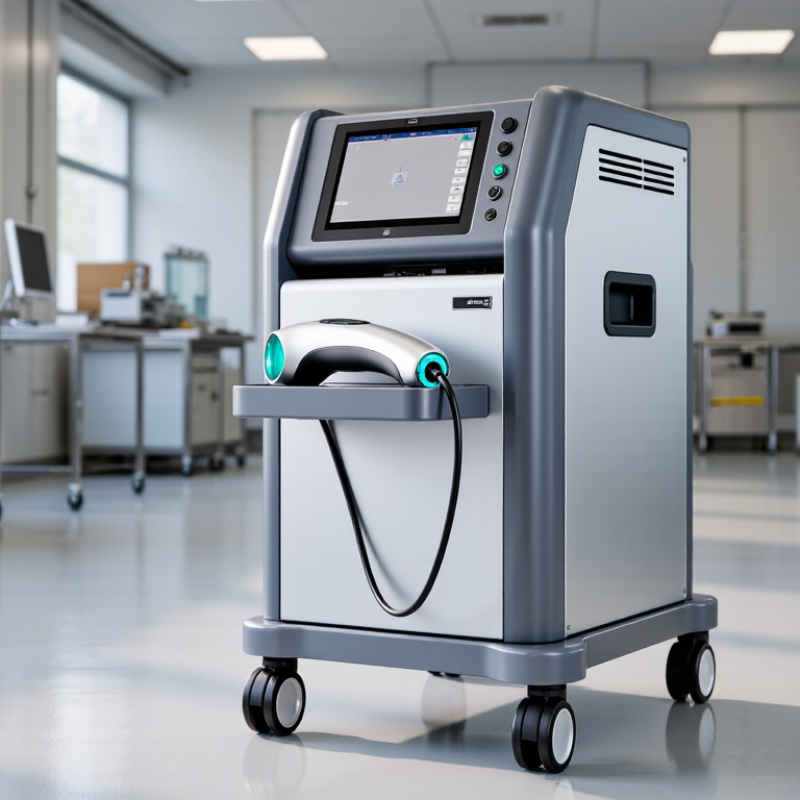
China Top Alexandrite Laser Manufacturers Where to Buy?

What Is an Alexandrite Laser and How Does It Work?

An alexandrite laser is a medical laser that commonly emits light at 755 nanometers. Its alexandrite crystal produces this wavelength when energized. Melanin absorbs the light strongly, converting it into controlled heat. That heat can damage targeted hair follicles or pigment while limiting exposure to nearby tissue.

The process sounds simple, but skin is not uniform. Darker skin may absorb more energy, increasing the risk of burns or unwanted pigmentation. A trained practitioner should assess skin tone, hair color, treatment area, and recent sun exposure. Cooling systems can reduce discomfort and protect the surface. Settings still matter more than appearance. A powerful pulse is not automatically a better pulse.

When evaluating China-based alexandrite laser manufacturers, request wavelength data, pulse-duration ranges, cooling specifications, clinical documentation, and quality certificates. Ask how the device is tested before shipment. Clear user manuals and responsive technical support also matter. I would not rely on a low price alone. Some specifications look impressive but lack independent verification. Confirm that the model is legally approved for its intended market and operated by qualified professionals. Real outcomes depend on calibration, maintenance, patient selection, and operator judgment. That part is often underestimated.

Key Applications and Benefits of Alexandrite Laser Systems

Alexandrite laser systems commonly operate at a 755 nm wavelength. This wavelength targets melanin effectively, making the systems useful for long-term hair reduction and selected benign pigmented lesions. Short pulses can treat coarse, dark hair, while integrated cooling helps reduce surface discomfort. Small details matter. Spot size, pulse duration, fluence, and cooling performance influence both results and patient experience.

Demand is substantial. The ISAPS Global Survey 2023 recorded more than 20.5 million nonsurgical aesthetic procedures worldwide. Laser-based treatments remain an important part of this market. The American Society of Plastic Surgeons also reported more than three million laser skin-resurfacing procedures in 2023. These figures support continued interest in reliable Alexandrite platforms, including systems manufactured in China. Buyers should verify clinical documentation, service response times, calibration procedures, and operator training before comparing prices.

Skin type assessment remains essential. Darker or recently tanned skin may require conservative settings and careful test spots. Poor parameter selection can cause burns, temporary pigment changes, or disappointing hair reduction. That risk is easy to underestimate. Published market figures also vary by survey method, geography, and procedure definitions. A careful purchasing decision should therefore combine report data with peer-reviewed evidence, documented safety testing, and practical demonstrations from trained clinical users.

How to Evaluate Alexandrite Laser Manufacturers in China

Evaluating Alexandrite laser manufacturers in China requires more than comparing catalogue prices. Check their experience with 755 nm systems, cooling technology, pulse control, and clinical maintenance. Ask for production records, not polished photographs. A reliable factory should provide ISO 13485 certification, IEC 60601-1 safety testing, and IEC 60825-1 laser classification documents.

Independent market reports can support a wider assessment. Grand View Research reports continued growth in the global aesthetic laser market, driven by non-invasive treatment demand. Fortune Business Insights also identifies rising dermatology investment as a major market factor. These figures show opportunity, but they do not prove one manufacturer’s quality. Request test data for fluence accuracy, spot-size consistency, cooling temperature, and emergency shut-off response. Measure it yourself when possible.

Inspect the factory floor, calibration labels, optical assembly area, and final inspection records. Speak with engineers, not only sales staff. Ask how they handle diode replacement, handpiece damage, software updates, and operator training. A professional supplier should explain warranty exclusions clearly and provide traceable serial numbers. Be careful with unusually low quotations; they may hide weaker cooling modules or limited service support. I would also request a sample unit for extended testing, because short demonstrations can conceal overheating and unstable energy output. This step takes time. It may prevent an expensive mistake.

Top Alexandrite Laser Manufacturers and Their Product Features

China Top Alexandrite Laser Manufacturers: Where to Buy?

China-based alexandrite laser manufacturers commonly develop systems using a 755 nm wavelength for hair reduction and selected pigment treatments. Their product features may include adjustable fluence, pulse duration, repetition rate, and spot sizes. These controls help practitioners adapt treatment settings to hair thickness, treatment area, and skin response. Some systems combine contact cooling with air or cryogen-assisted cooling. Cooling matters. It can improve comfort and reduce unnecessary surface heating.

Reliable manufacturers should provide more than attractive output figures. Ask for optical testing reports, electrical safety documentation, quality-management certificates, and service records. Confirm whether the device is registered for use in your target market. A serious supplier should explain handpiece calibration, cooling maintenance, replacement parts, and operator training in clear language. Independent clinical evidence is more useful than vague claims about “fast results.”

Buyers can contact the manufacturer directly, use an authorized medical-equipment distributor, or inspect suppliers through established industry exhibitions and verified procurement platforms. Request a live demonstration with a written quotation. Compare spot size, pulse stability, cooling performance, warranty coverage, and response time for technical support. Marketing materials can hide practical limits. A powerful specification may still perform poorly with weak cooling or inconsistent calibration. I would also review several customer references, because one successful installation proves very little. Test carefully.

China Top Alexandrite Laser Manufacturers Where to Buy? - Top Alexandrite Laser Manufacturers and Their Product Features

Manufacturer Profile Primary Wavelength Typical Pulse Duration Typical Spot Size Cooling Technology Common Treatment Uses Key Product Features Recommended Buying Checks
Profile A: Clinical Alexandrite Platform 755 nm Approximately 2–100 ms, depending on the treatment mode Commonly 3–18 mm Cryogen spray, chilled air, or integrated contact cooling Hair reduction; selected pigmented lesions under qualified medical supervision Wide fluence adjustment, multiple spot sizes, treatment presets, foot-pedal operation, and touchscreen controls Verify laser-source origin, pulse calibration, cooling performance, service response time, and local regulatory documentation
Profile B: Dual-Wavelength Hair-Removal System 755 nm Alexandrite plus 1,064 nm Nd:YAG Short to long millisecond pulses, selected according to wavelength and skin type Usually 2–20 mm Sapphire contact cooling, chilled air, or combined cooling Hair reduction across a broader range of skin types; 1,064 nm mode is commonly used for darker skin types Two wavelength options, selectable fluence, adjustable repetition rate, treatment-history recording, and interchangeable handpieces Check whether both wavelengths are independently calibrated and whether the cooling system supports continuous operation
Profile C: Compact Alexandrite Aesthetic System 755 nm Approximately 5–40 ms Commonly 4–15 mm Contact cooling or forced chilled air Small-area hair reduction, facial areas, and selected cosmetic applications Compact footprint, simplified interface, lower installation requirements, and interchangeable treatment tips Confirm cooling stability, handpiece durability, replacement-part availability, and operator training support
Profile D: High-Throughput Alexandrite Platform 755 nm Approximately 2–30 ms, with high repetition-rate operation Often 6–24 mm Integrated cryogen, chilled air, or high-capacity contact cooling Large-area hair reduction, including legs, back, and other body areas Large spot sizes, rapid repetition rate, ergonomic handpiece, cooling synchronization, and automated treatment counters Evaluate treatment speed, thermal management, electrical requirements, handpiece weight, and maximum recommended duty cycle
Profile E: Alexandrite and Nd:YAG Combination Platform 755 nm Alexandrite plus 1,064 nm Nd:YAG Typically adjustable from microsecond or millisecond ranges according to the selected mode Approximately 2–20 mm Dual cooling with contact sapphire and chilled air or cryogen Hair reduction and selected vascular or pigmented applications when the system is specifically configured and medically approved Multi-parameter control, wavelength selection, skin-type guidance, configurable handpieces, and safety interlocks Confirm the exact approved indications, wavelength-specific accessories, software limitations, and availability of qualified technical support
Profile F: OEM-Configurable Alexandrite System 755 nm, with optional 1,064 nm configuration Configurable millisecond pulse ranges based on the selected laser module Commonly 3–18 mm Contact cooling, chilled air, or an optional cryogen module Hair reduction and cosmetic applications subject to the final device configuration and local approvals Custom enclosure, private-label interface options, configurable handpieces, adjustable parameters, and export-oriented documentation packages Request optical-output test reports, quality-control records, user manuals, warranty terms, spare-parts lists, and regulatory evidence for the target market

Note: Specifications are representative industry ranges for 755 nm Alexandrite laser platforms. Actual performance, indications, certifications, and available configurations must be confirmed in the manufacturer’s current technical documentation and local regulatory records.

Where to Buy Alexandrite Laser Equipment from China

When looking for Alexandrite laser equipment from China, begin with established medical-device manufacturers, verified industry directories, and professional trade exhibitions. Focus on factories that provide clear technical documentation, not only attractive photographs or low prices. A reliable supplier should explain the 755 nm wavelength, pulse settings, spot sizes, cooling method, and intended clinical applications in plain English.

Request a live video demonstration before ordering. Watch the operator adjust fluence, inspect the handpiece, and show the cooling system working on a test surface. Ask for factory audit records, quality-management certificates, electrical safety reports, and product registration documents required in your market. These documents should match the exact model and production site. Generic files are a warning sign.

Compare quotations carefully. Include shipping, installation, training, spare handpieces, warranty coverage, import duties, and after-sales response times. A written contract should define delivery testing and replacement procedures. Ask whether engineers can provide remote support during installation. A low price may save money today, but weak service can create expensive delays later. I would also inspect the factory through an independent agency when possible. This step is easy to overlook. Even a polished video cannot confirm every manufacturing detail. Contact previous buyers, request references, and test the equipment through a supervised demonstration before making the final payment.

Lumenis logo