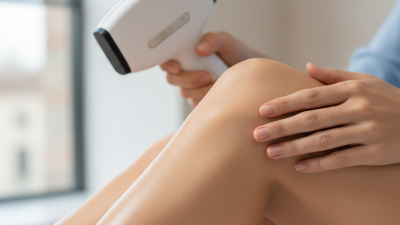
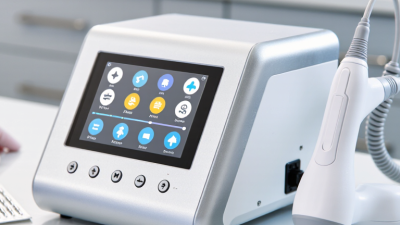
Buying a Lumenis laser hair removal machine is a clinical and business decision, not just a price comparison. The right choice depends on your treatment goals, patient population, staff training, and ongoing service needs. Lumenis LightSheer systems are commonly considered by clinics seeking diode-laser hair reduction, but model names alone do not tell the full story. Check the handpiece configuration, cooling features, treatment history, warranty, and availability of technical support. Ask for a live demonstration, too. A brochure cannot show how comfortably the handpiece sits in your staff member’s grip.
Dermatologist Dr. Tina Alster is a relevant expert voice in laser dermatology. Since no verifiable source for a direct quotation was provided, this guide will not invent one. A cautious principle consistent with patient-centered laser care is to match the treatment approach to the individual, rather than relying on sales claims. Skin tone, hair color, and medical history all matter. Some details are easy to overlook. This guide compares what buyers should assess when looking at Lumenis machines for sale, including new and pre-owned units. It also flags questions to ask before committing, from service records to training and total ownership costs. The goal is practical clarity, not a one-size-fits-all recommendation. A machine may look impressive on paper; its fit for your clinic is what counts.
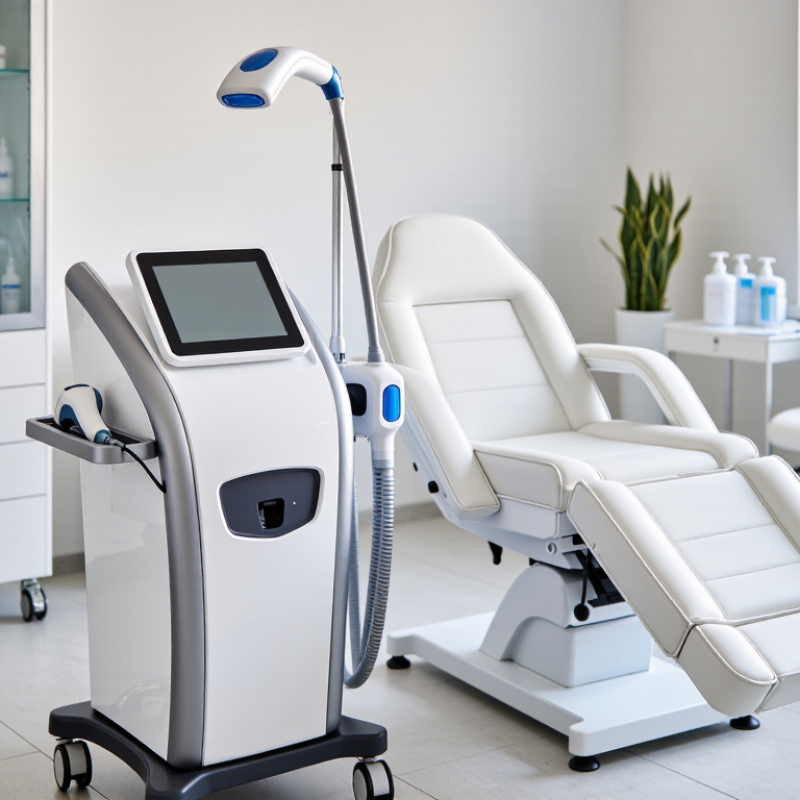
Laser hair-removal systems are designed to reduce unwanted hair by directing light energy toward pigment in the hair shaft. Heat travels to the follicle, disrupting growth while surrounding skin is protected through controlled settings and cooling. The goal is lasting reduction, not guaranteed permanent removal. Results vary.
Treatment timing matters. The American Academy of Dermatology advises that many patients need two to six sessions, often spaced four to six weeks apart, because hairs grow in cycles. ISAPS’s 2023 Global Survey recorded roughly one million non-surgical hair-removal procedures worldwide. That figure reflects reported procedure volume, not proof that every device or treatment plan works equally well.
A qualified practitioner assesses skin tone, hair color, treatment area, and medical history before choosing settings. Dark, coarse hair often responds better because it contains more pigment; very light, gray, or red hair may respond poorly. A small test area can help assess comfort and skin response. Eye protection is essential, and temporary redness or swelling can occur. There are trade-offs. Higher energy is not automatically better; overly aggressive settings can injure skin, while cautious settings may require more visits. Device choice matters, but so do training, maintenance, and realistic expectations.
Hair-removal machines can look similar in a clinic, yet their light sources behave differently. Some use broad-spectrum pulsed light, while others deliver a narrower laser wavelength. That difference affects how energy reaches pigment in the hair and surrounding skin. It is not just a matter of choosing the strongest setting.
A practical comparison starts with skin tone, hair color, and treatment area. Dark, coarse hairs often respond more readily than fine, pale hairs, though individual results vary. A trained provider should explain why a particular wavelength and spot size suit the person being treated. Cooling also matters. A cool contact tip or brief air flow can make a session more comfortable, but it does not replace careful settings or protective eyewear.
Ask how the device handles different skin tones, how settings are adjusted, and what aftercare is recommended. Patch testing may help assess comfort and skin response. The sensation can feel like a quick warm snap. Some areas are more sensitive. Results usually require multiple sessions because hair grows in cycles, and maintenance may be needed. Even a well-matched machine cannot promise identical outcomes for everyone. Clinics do not always explain that clearly, and it is worth asking again if the answer feels vague.
Alexandrite, diode, and Nd:YAG systems commonly use wavelengths near 755 nm, 810 nm, and 1064 nm, respectively. Wavelength affects melanin absorption and penetration depth; these values describe typical wavelengths, not a ranking of treatment effectiveness. Suitability depends on individual skin and hair characteristics and device settings.
Listings for professional hair-removal equipment commonly include diode platforms, older standalone systems, and dual-wavelength units combining alexandrite and Nd:YAG. Compact consoles may suit clinics with limited floor space, while larger carts can offer integrated cooling and different spot sizes. Availability varies by region and condition. Some units are refurbished; others are sold as-is.
That distinction matters.
Compare wavelength, spot size, pulse settings, cooling method, and handpiece condition before considering price. Ask for operating-hour or pulse-count records where available, plus service and calibration documents. A clean exterior proves little. If possible, request a demonstration showing stable output and functioning cooling. Confirm that replacement handpieces, consumables, and qualified servicing remain accessible for that exact configuration.
For a used platform, verify the serial number and inspect the console, cables, optics, and handpiece window for wear. Ask what work was completed during refurbishment and whether any faults remain. Skin tone, hair color, and treatment area affect device suitability, so trained providers should assess these factors before treatment. An unclear service history is a real drawback, even when the asking price looks attractive.
When comparing professional laser hair-removal machines, look beyond the advertised power. Check wavelength options, spot size, pulse duration, and cooling performance. These affect treatment speed, comfort, and suitability for different skin and hair characteristics. Ask to see the device’s service history, calibration records, and replacement-part costs. A low purchase price can hide expensive upkeep.
The American Society of Plastic Surgeons’ 2023 procedural statistics report roughly 1.03 million laser hair-removal procedures in the United States. That figure signals substantial use, but it does not verify any particular machine’s results. Request published clinical evidence for the exact model, and confirm that its operating guidance covers the clients you expect to serve. Compare warranty terms, staff training, and local technical support, too. Small details matter.
Tips: Test it live. Watch a full treatment cycle, including cooling and handpiece handling. Ask how performance is checked over time. A polished screen can distract from awkward ergonomics or slow service. I would not choose from a brochure alone; a hands-on trial may still leave unanswered questions, but it reveals practical issues that specifications miss.
| Technology to Compare | Typical Wavelength | Typical Skin-Tone Suitability | Hair and Treatment Considerations | What to Check Before Buying |
|---|---|---|---|---|
| Alexandrite laser | 755 nm | Often used for lighter skin tones; suitability depends on settings and clinical assessment. | Targets melanin and is generally used for dark hair. Light, gray, white, and many red hairs respond poorly to laser hair reduction. | Confirm the device’s cleared indications, available spot sizes, cooling method, service history, and operator training requirements. |
| Diode laser | Commonly around 800–810 nm | Used across a range of skin tones; safe use depends on the specific device, parameters, and patient assessment. | Often used for coarse, dark hair. Hair color and contrast with the surrounding skin affect response. | Compare treatment handpiece design, cooling performance, pulse and fluence options, consumable costs, and availability of technical support. |
| Long-pulsed Nd:YAG laser | 1064 nm | Often selected for darker skin tones because its longer wavelength is less strongly absorbed by epidermal melanin; clinical assessment remains essential. | Can be used for dark, coarse hair. Individual results vary, and multiple sessions are commonly needed. | Check that the device specifically supports long-pulsed hair-reduction treatments, and review its settings, cooling, maintenance records, and safety documentation. |
| Intense pulsed light (IPL) | Broad spectrum; filters determine the transmitted range | Suitability varies by filter, settings, device, and skin type; it should not be treated as interchangeable with a laser. | May reduce hair growth in appropriately selected patients. Results depend on hair pigment, treatment protocol, and device performance. | Verify the device’s intended use, filter options, treatment window, replacement-part costs, and whether it meets the clinic’s treatment needs. |
Buying note: Laser hair reduction usually requires multiple treatments because hair grows in cycles. Compare devices using their documented specifications and intended indications; do not assume that wavelength alone determines safety or results. Have a qualified clinician assess each patient and follow the device instructions.
A machine’s sales listing rarely tells the whole story. Check its intended use, operating instructions, and maintenance records before arranging a demonstration. Confirm that safety features work, including the emergency stop and cooling system. Eye protection must match the device’s output. Ask who will train operators and what qualifications that training covers. A polished demo is not enough. Ask for proof.
Tips: Request the service history, warranty terms, and a written list of included handpieces and accessories. Check whether replacement parts and qualified servicing are available. Compare the displayed settings with the device documentation; unclear records deserve follow-up.
Ownership costs extend beyond the purchase price. Budget for scheduled maintenance, repairs, staff training, and any required consumables. For a used unit, inspect the casing, screen, cables, and treatment handpiece for wear or damage. Ask when it was last calibrated and whether that work can be documented. I would pause at vague answers, even when the price looks attractive. A lower upfront cost may mean longer downtime or harder-to-source parts. Get service commitments in writing, and make sure the equipment suits your clinic’s workload before paying a deposit.