Why Choose RF Microneedling for Your Clinic?

Why Choose RF Microneedling for Your Clinic?

Patients increasingly want visible skin improvement with limited downtime. RF microneedling combines controlled needle penetration with radiofrequency energy beneath the skin. This approach can support collagen remodeling while addressing texture, acne scars, enlarged pores, and selected laxity concerns.

The market signals strong interest. Grand View Research reports that the global microneedling market is expanding steadily, supported by rising demand for minimally invasive aesthetic procedures. Fortune Business Insights also identifies energy-based skin treatments as a growing segment within the broader medical aesthetics industry. These reports describe market direction, not guaranteed clinic revenue. That distinction matters.

Dr. Jill S. Waibel, a dermatologist known for treating scars and complex skin conditions, has described microneedling as a treatment that “stimulates the body’s natural healing response.” RF adds thermal energy, but outcomes still depend on diagnosis, device settings, skin type, and aftercare. No device replaces clinical judgment.

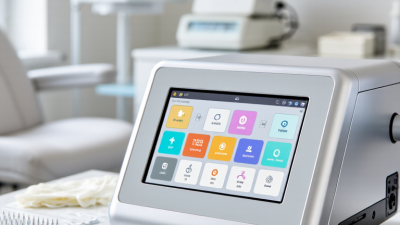
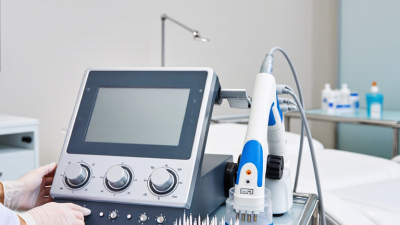
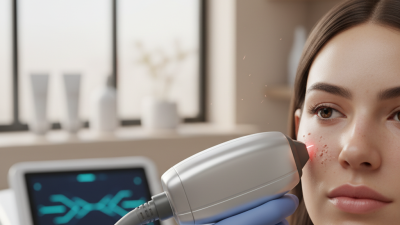
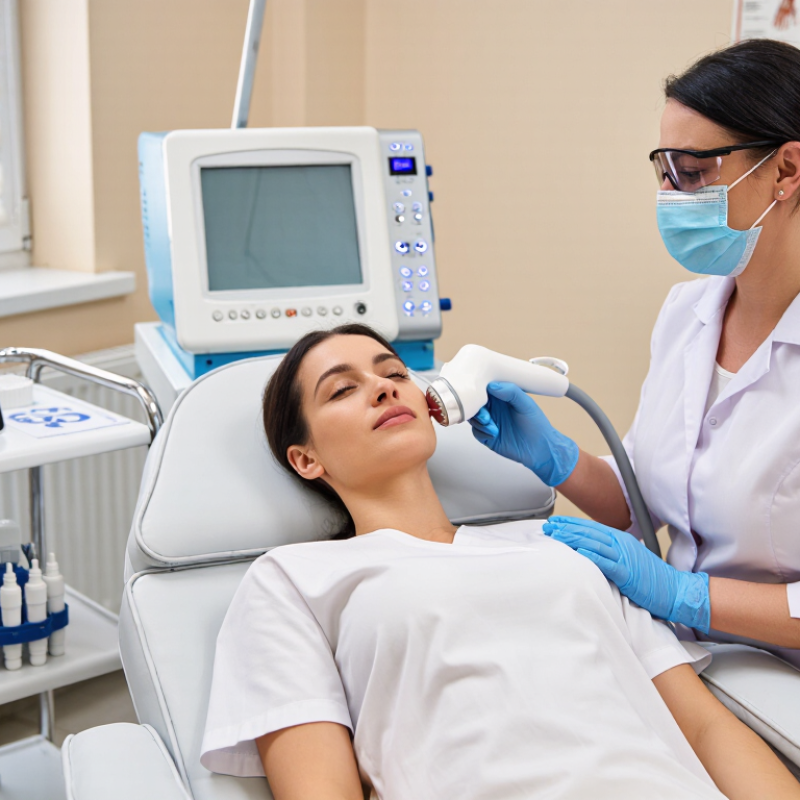
A practical clinic scene explains the appeal: a trained provider assesses pigmentation, selects sterile cartridges, records energy levels, and schedules follow-up care. The procedure may fit patients who cannot accept prolonged recovery. Yet discomfort, redness, pigment changes, infection, or disappointing results remain possible. Training is essential.

RF microneedling can strengthen a clinic’s treatment portfolio and create structured follow-up opportunities. It may also improve patient trust when providers explain limits honestly. The technology is promising, but not magical. Clinics should review peer-reviewed evidence, manufacturer instructions, local regulations, and their own complication data before investing. Even strong demand deserves careful scrutiny.
Why Choose RF Microneedling for Your Clinic?

RF Microneedling: Definition and Core Treatment Principles

Why Choose RF Microneedling for Your Clinic?

RF Microneedling: Definition and Core Treatment Principles

RF microneedling combines precise needle placement with radiofrequency energy. Fine needles enter selected skin depths. They then deliver heat beneath the surface. This creates controlled thermal zones, rather than broad surface heating. The body responds by remodeling collagen and supporting tissue structure. Skin texture may gradually appear smoother. Results depend on tissue quality, settings, and healing capacity. It is a medical procedure, not a quick cosmetic shortcut.

In a clinic, assessment guides every decision. A trained practitioner reviews skin type, sensitivity, medications, scarring history, and treatment goals. Needle depth should match the treatment area and concern. Energy must remain controlled and consistent. Too little may produce limited change. Too much can increase discomfort or unwanted inflammation.

Sterile technique matters at every step. Small details matter. Treatment settings, passes, and immediate skin responses should be documented carefully. No two faces behave exactly alike.

After treatment, warmth, redness, and pinpoint swelling can appear. These reactions often settle, but aftercare must follow professional guidance. Gentle cleansing and strict sun protection are commonly advised. Patients should avoid picking or using irritating products too soon. Improvement usually develops over several weeks. Some patients need multiple sessions, while others show modest change. That variation deserves honest discussion. RF microneedling is promising, but it is not risk-free or suitable for everyone.

How RF Microneedling Works Beneath the Skin

Why Choose RF Microneedling for Your Clinic?

RF microneedling works below the skin’s surface. Fine needles enter the dermis at a controlled depth. Radiofrequency energy then creates small, precise heat zones around each needle tip. The epidermis receives less thermal stress. Meanwhile, dermal collagen fibers contract and begin a measured repair response.

Fibroblasts respond during healing. They support new collagen and elastin production. This process can gradually improve skin texture, fine lines, and selected acne scars. A 2022 systematic review in Dermatologic Surgery examined 15 RF microneedling studies. It reported consistent clinical improvements, but also noted small samples and varied treatment settings. The evidence is encouraging. It is not perfect.

Treatment parameters matter greatly. Needle depth, energy level, pulse duration, and skin thickness all affect the result. Deeper delivery may support scar remodeling, while superficial treatment may suit texture concerns. Proper assessment comes first. Always.

The International Society of Aesthetic Plastic Surgery’s 2023 Global Survey listed non-surgical skin tightening among tracked aesthetic procedures, reflecting strong consumer interest. Demand alone does not prove effectiveness. The FDA has also reported serious complications from certain RF microneedling uses, including burns, scarring, and fat loss. Clinics need trained providers, documented protocols, sterile technique, and realistic consent discussions. Some patients improve quickly. Others need several sessions, and results can remain uneven. That uncertainty deserves honest attention.

Why Choose RF Microneedling for Your Clinic? - How RF Microneedling Works Beneath the Skin

Clinical Dimension How RF Microneedling Works Common Clinical Information Practical Relevance for a Clinic
Energy Delivery Insulated or non-insulated needles place radiofrequency energy into selected layers of the dermis rather than relying only on surface heating. Radiofrequency is delivered in the megahertz range, with frequency, pulse duration, power, and needle configuration varying by device. Adjustable delivery can support treatment planning for different skin thicknesses, treatment areas, and clinical goals.
Treatment Depth Needles penetrate the skin to a selected depth, then release RF energy at or near the needle tips. Common adjustable treatment depths are approximately 0.5–4.0 mm, depending on the device, body area, and treatment indication. Depth control helps clinicians tailor treatments while avoiding unnecessary energy delivery to superficial or deeper tissues.
Thermal Effect RF causes localized tissue heating around the needle tips, creating controlled thermal stimulation in the dermis. Thermal exposure is protocol-dependent; many clinical systems are designed to create controlled coagulation zones without broadly heating the epidermis. Controlled heating may provide a balance between treatment intensity and recovery time when appropriate settings are used.
Collagen Remodeling The micro-injuries and thermal stimulus activate a wound-healing response that can promote collagen remodeling over time. Visible improvement is gradual because new collagen formation and remodeling occur over several weeks to months. The treatment can be positioned as a progressive skin-quality procedure rather than an instant correction.
Common Treatment Goals Controlled dermal stimulation may improve the appearance of selected textural concerns. Commonly studied or reported uses include acne-scar appearance, enlarged pores, fine lines, uneven texture, and mild skin laxity. A broad range of indications can make the procedure suitable for customized treatment plans, subject to clinical assessment.
Surface Versus Deeper Action Microneedles create controlled channels through the epidermis while RF energy is delivered beneath the surface. Compared with purely superficial heating, fractional needle-based delivery can target the dermis more directly. This may help clinics offer a treatment that combines mechanical microneedling with controlled thermal stimulation.
Typical Treatment Course Treatment plans are usually staged so the skin has time to recover and remodeling can develop between sessions. Many protocols use approximately 2–4 sessions spaced about 4–8 weeks apart, although the schedule depends on the indication and patient response. A staged plan supports reassessment, parameter adjustment, and realistic outcome counseling.
Downtime Temporary inflammation occurs as the skin responds to needle penetration and thermal exposure. Redness, mild swelling, pinpoint bleeding, and roughness may occur; visible redness often improves within 1–3 days, but recovery varies. Clear aftercare instructions and scheduling around work or events are important parts of patient satisfaction.
Patient Selection The procedure is selected after evaluating skin condition, treatment goals, medical history, and healing capacity. Candidates should receive an assessment for active infection, uncontrolled inflammatory skin disease, impaired healing, medication use, and a history of abnormal scarring. Structured consultation and documentation help improve safety, informed consent, and treatment consistency.
Skin Tone Considerations Because RF energy is delivered through needles into the dermis, the treatment mechanism differs from some pigment-targeting light procedures. Post-inflammatory hyperpigmentation remains possible, particularly after inflammation or excessive thermal exposure, and risk varies by skin type and patient history. Conservative settings, careful screening, sun protection, and appropriate follow-up are essential for every skin tone.
Safety and Side Effects Needle penetration and thermal exposure can produce short-term inflammatory effects and, rarely, more significant complications. Possible adverse effects include prolonged redness, infection, acne or herpes reactivation, pigmentary change, burns, scarring, and temporary sensitivity. Use trained medical personnel, sterile technique, appropriate contraindication screening, and device-specific protocols.
Expected Results Results develop through healing and collagen remodeling rather than immediate tissue replacement. Patients may notice gradual changes in texture and firmness, but outcomes vary with indication, skin biology, settings, and adherence to aftercare. Clinics should use standardized photographs and conservative expectations rather than guaranteeing a specific result.
Why It Can Fit a Clinic The combination of adjustable needle depth, fractional delivery, and controlled dermal heating allows treatment customization. It can address multiple texture-related concerns within one treatment category, while protocols remain dependent on local regulations and clinical training. A well-managed service can support personalized care, structured follow-up, and a clear treatment pathway without relying on company-specific claims.

Clinical parameters, indications, contraindications, and expected recovery should always be confirmed against the specific device instructions, applicable regulations, and the assessment of a qualified healthcare professional.

Key Clinical Benefits for Patients and Practitioners

Why Choose RF Microneedling for Your Clinic?

RF microneedling combines controlled needle placement with radiofrequency energy delivered into the skin. This approach can support collagen remodeling, improve uneven texture, and soften the appearance of acne scars. Patients may also notice firmer skin and refined-looking pores over time. Results develop gradually, not overnight. That matters for realistic consultations.

For practitioners, the treatment offers adjustable depths, energy settings, and treatment patterns. These options can support more tailored care across different skin concerns. A structured consultation remains essential. Review medical history, skin sensitivity, active conditions, and healing expectations before treatment. Proper training, sterile technique, and documented aftercare improve patient safety. Still, settings require judgment. More energy does not always mean better results.

Tips: Use conservative settings for initial sessions, especially with sensitive skin. Photograph the same areas under consistent lighting. Explain possible redness, swelling, and temporary discomfort clearly. Follow evidence-informed protocols, but reassess each patient individually. Some patients may need alternative treatments. That is not a failure. It is responsible practice.

RF microneedling can also support clinic efficiency when appointments, consent forms, and follow-up plans are organized. Practitioners should monitor outcomes rather than promise identical results. Skin type, age, scarring pattern, and lifestyle all influence recovery. Ongoing education helps clinicians refine technique and recognize when referral or delayed treatment is appropriate.

Ideal Treatment Areas, Candidates, and Applications

Why Choose RF Microneedling for Your Clinic?

RF microneedling suits clinics serving patients with acne scars, enlarged pores, uneven texture, and mild skin laxity. Common treatment areas include the face, jawline, neck, and décolletage. It may also support scar remodeling on selected body areas. The best candidates usually have realistic expectations, stable skin conditions, and enough healing capacity. Patients with active infection, uncontrolled inflammation, or poor wound healing require careful assessment or postponement.

The 2023 ISAPS Global Survey recorded more than 19 million nonsurgical aesthetic procedures worldwide. However, the report does not isolate RF microneedling, so clinics should avoid presenting broad market growth as device-specific proof. The Aesthetic Society’s 2023 statistics also show continued demand for nonsurgical skin treatments, supporting interest in texture-focused services. Evidence remains procedure-dependent. Technique matters greatly.

Clinical applications can include customized passes for acne scarring, conservative settings for thinner neck skin, and staged sessions for gradual improvement. Document skin type, treatment depth, energy, and recovery response. That record builds safer practice. Small details matter.

Results vary. Some patients expect dramatic lifting after one session, which is rarely realistic. Experienced providers should explain redness, swelling, downtime, and the possibility of limited response. RF microneedling is not suitable for every concern, and more energy does not automatically mean better collagen remodeling.

Safety, Equipment, Training, and Clinic Integration

RF microneedling can strengthen a clinic’s treatment menu when safety guides every decision.

The procedure combines controlled microneedling with radiofrequency energy. Skin assessment should come before treatment. Review medical history, current medications, skin sensitivity, and healing concerns. Clear consent matters. Patients should understand expected redness, recovery time, and possible complications.

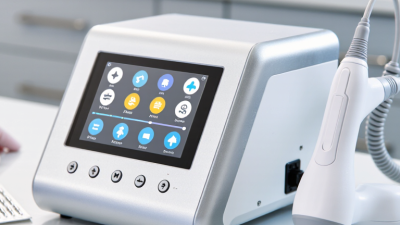
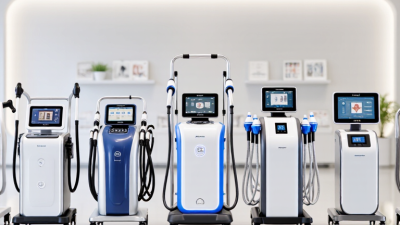
Equipment quality affects consistency and patient confidence. Choose a device with adjustable depth, energy controls, and clear operating instructions. Confirm routine maintenance and reliable technical support. Staff training should include hands-on practice, contraindication screening, emergency procedures, and infection-control methods. Training cannot be treated as a single afternoon. Clinical judgment develops through supervised experience and careful review of results. It is easy to overestimate early confidence.

Tips:
Start with conservative settings and document every parameter. Photograph the treatment area under consistent lighting. Keep sterile supplies organized and inspect handpieces before use. Build recovery guidance into the appointment, not as an afterthought. Allow enough time between patients for cleaning and room preparation. A rushed room creates avoidable risk.

Clinic integration also requires practical planning. Map consultation, consent, treatment, aftercare, and follow-up into one workflow. Train reception staff to avoid promising guaranteed outcomes. Monitor patient feedback and adverse events through structured records. Review those records regularly. Some protocols may need revision. That is not failure; it is responsible practice. Always align treatment procedures with current professional guidance and applicable local regulations.

Lumenis logo