7 Best RF Microneedling Machines for Clinics?
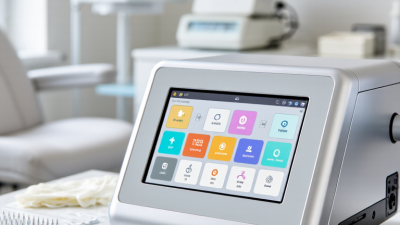
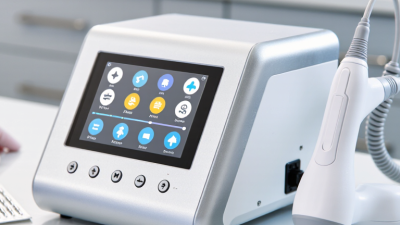
Clinics considering the 7 best rf microneedling machines need more than a polished handpiece and a striking before-and-after photo. They need to compare needle-depth control, energy delivery, treatment settings, staff training, maintenance, and the support available when something goes wrong. Small details matter: the clarity of the screen, the feel of the handpiece, and whether settings can be adjusted for different treatment areas.
The market is growing, but demand alone does not prove that a device is right for a clinic. The International Society of Aesthetic Plastic Surgery’s 2023 Global Survey recorded 15.8 million nonsurgical aesthetic procedures worldwide. That figure shows the scale of nonsurgical care; it does not isolate RF microneedling or guarantee local demand. The comparison here should be read with that limitation in mind.
Safety deserves equal attention. In its 2025 safety communication, the U.S. Food and Drug Administration reported serious complications associated with RF microneedling, including burns, scarring, fat loss, and nerve damage. Board-certified dermatologist Dr. Shari Marchbein’s patient-safety guidance can be summarized this way: treatment decisions should be based on careful assessment, qualified providers, and realistic expectations. That is a paraphrase, not a direct quotation. It is also a useful reminder that a machine’s specifications cannot replace clinical judgment. Some comparisons are not perfectly tidy; features, service, and training vary by manufacturer. The strongest choice is not automatically the most powerful one. It is the one a clinic can use consistently, responsibly, and with appropriate follow-up.
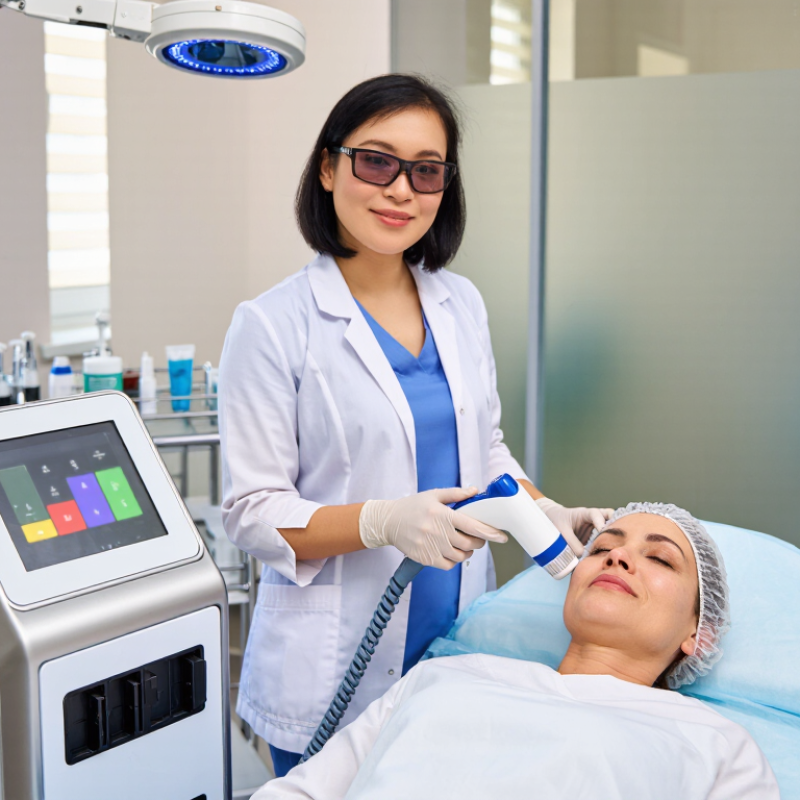
RF Microneedling Basics: Fractional Needling and Controlled Dermal Heating
RF microneedling combines fractional needling with radiofrequency energy delivered through insulated or non-insulated needle tips, depending on the device. The needles create narrow treatment points, while energy warms selected layers of the dermis. This controlled heating can support collagen remodeling over time, but results vary. The sensation may feel like brief warmth or pinpricks. Not effortless.
For clinics, settings should match the treatment area, skin characteristics, and patient goals. Needle depth and energy are not interchangeable; changing one can alter how tissue responds. A qualified practitioner should assess medical history, explain realistic outcomes, and follow the device’s training and safety instructions. Temporary redness, swelling, or pinpoint marks can occur, and complications are possible.
Tips: Use a consistent consultation and treatment record. Note settings, area, and skin response. Allow healing time between sessions, and give clear aftercare instructions. Small details matter. If a response seems unusual, pause and reassess rather than repeating the same settings by habit.
Clinic Selection Criteria: Needle Depth, RF Mode, FDA Clearance, and Downtime
A clinic’s first checkpoint is needle depth. Facial skin is not uniform: the forehead, cheeks, and acne-scarred areas need different treatment plans. Choose a device with adjustable depth and clear guidance for each treatment area. RF delivery also matters. Insulated needles concentrate energy differently from non-insulated needles, so ask how the system controls heat and whether settings can be adjusted consistently. FDA clearance applies to a specific device and use; it is not proof that every setting or treatment is risk-free.
Downtime depends on treatment intensity, skin response, and technique. Redness and pinpoint marks may settle within days, but recovery varies. The FDA’s 2024 safety communication described reports of burns, scarring, fat loss, disfigurement, and nerve damage linked to RF microneedling procedures. Those reports are not a rate of complications, but they underline the need for trained operators, informed consent, and a clear plan for adverse events.
Tips: Compare the device’s FDA clearance in the FDA database, not just sales materials. Ask for the cleared indication, needle-depth range, and post-treatment care instructions. Keep a simple photo log at follow-ups. It helps. Small gaps in records are easy to overlook.
Seven Clinic Systems Compared: Tip Design, Treatment Depth, and Energy Controls
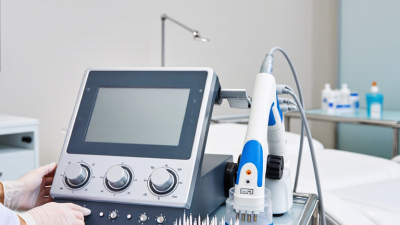
A useful comparison of seven clinic systems starts at the tip, not the display. Some use insulated needles to concentrate energy near their tips; others deliver energy along more of the needle shaft. Needle count and spacing also matter. A dense tip may cover a small area efficiently, while wider spacing can leave more untreated skin between passes. Check how firmly each cartridge seats. A slight wobble is easy to overlook.
Treatment depth is not a single “deeper is better” contest. Systems differ in their available depth steps, adjustment method, and consistency across facial contours. A clear depth scale helps clinicians document settings and repeat them carefully. Yet the skin near the nose or jawline may not behave like the cheek. That detail gets missed in quick comparisons.
Energy controls deserve the same scrutiny. Compare adjustable energy levels, pulse settings, and whether the interface makes selected values easy to verify before treatment. Seven systems may offer similar-looking controls but different operating instructions. Review the current manual, cartridge compatibility, training requirements, and service support; specifications alone cannot establish safe use. In practice, the best fit depends on the clinic’s patient assessments and staff experience. I would also test the handpiece with gloves on. Small buttons can be surprisingly awkward.
Protocol Benchmarks: Often 3 Sessions Spaced 4–6 Weeks Apart
For clinics comparing RF microneedling machines, the treatment schedule matters as much as the device.
A common benchmark is three sessions, spaced four to six weeks apart.
This interval gives the skin time to recover before the next treatment. It is a planning reference, not a fixed prescription. The appropriate schedule depends on the treatment area, patient history, device settings, and observed response.
A useful machine should let trained clinicians adjust treatment depth and energy in a controlled, documented way. Before each session, record the settings, skin condition, and any prior reaction. After treatment, note redness, swelling, discomfort, and how long these effects last.
Small details count.
A patient who develops prolonged irritation may need more recovery time, a modified approach, or reassessment before another session.
The three-session benchmark can help clinics estimate appointment capacity and discuss realistic timelines. Explain that visible changes may vary, and that one person’s response does not predict another’s. Avoid promising a specific result by a particular date. Some protocols may differ from this schedule, and the evidence or clinical judgment behind an adjustment should be clear. In practice, consistency in assessment is valuable, though busy clinics may not document every detail perfectly; that gap is worth addressing.
Safety and Ownership: Patient Screening, Operator Training, and Device Servicing
For clinics comparing RF microneedling machines, safety starts before the handpiece touches skin.
Screen each patient’s medical history, current medications, skin condition, and treatment goals. Check the device instructions for contraindications, and postpone treatment when assessment raises concerns. Explain expected downtime, possible side effects, and alternatives in plain language. Obtain informed consent and record baseline photographs with permission. Small details matter.
Operator training should cover needle depth, energy settings, treatment patterns, and areas requiring extra caution. Staff need supervised practice, infection-control training, and a clear plan for managing complications or seeking medical help. Document settings, cartridge details, and the patient’s response at each visit. A checklist helps, but it cannot replace clinical judgment. No checklist catches every nuance, and even experienced teams should pause when a case feels unfamiliar.
Tips: Before each session, inspect cables, handpieces, and sterile packaging. Follow the manufacturer’s servicing schedule, keep maintenance records, and remove a device from use if it behaves unexpectedly. Don’t stretch service intervals to save time; downtime is inconvenient, but uncertain performance is worse.