What Is the Best Body Contouring Equipment from China?

Choosing the best body contouring equipment from China requires more than comparing prices or counting treatment modes. Clinics must examine clinical evidence, energy delivery, cooling control, applicator design, and maintenance support. A polished brochure is not enough. The details matter.

Dr. Michael H. Gold, a board-certified dermatologist and aesthetic medicine expert, emphasizes, “Patient selection is critical to achieving safe, predictable results.” This principle applies directly to body contouring equipment. A device designed for cryolipolysis may suit localized fat reduction, while radiofrequency equipment may focus on skin tightening and tissue heating. These goals are different. So are patient expectations.

Reliable Chinese manufacturers should provide clear technical specifications, quality-control records, user training, and responsive after-sales service. Buyers should also verify applicable certifications and local regulatory requirements before installation. Ask how the device performs after repeated treatments, not only during a showroom demonstration. Request realistic clinical photographs. Examine treatment times, handpiece durability, cooling consistency, and emergency controls.

Some suppliers communicate well. Others leave important answers vague. That is a warning sign.

The best choice may not be the newest machine. It may be the equipment that fits your clinic’s patient profiles, staff skills, budget, and treatment protocols. This article compares leading options from China through that practical lens. It also considers an uncomfortable truth: even excellent equipment cannot replace proper assessment, informed consent, careful operation, and honest patient communication. Performance claims should be tested, documented, and reviewed regularly. No single platform is perfect for every body, every clinic, or every goal.
What Is the Best Body Contouring Equipment from China?

What Is Body Contouring Equipment and How Does It Work?

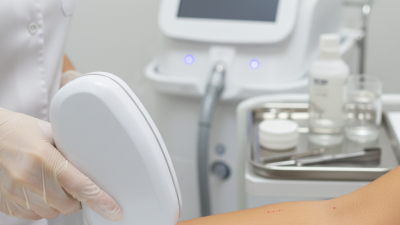
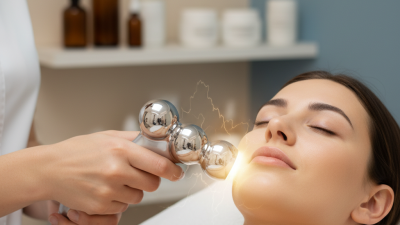
Body contouring equipment uses controlled energy to change the appearance of specific body areas. It does not replace weight management or treat obesity. Common systems use radiofrequency, cryolipolysis, focused ultrasound, or vacuum-assisted massage. Each method targets different tissue layers.

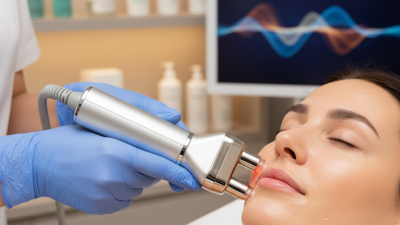
Radiofrequency devices deliver heat into the skin and underlying tissue. This may support collagen remodeling and create a firmer appearance over time. Cryolipolysis cools selected fat cells without surgery. The body gradually removes some damaged cells through natural processes. Focused ultrasound can concentrate energy beneath the skin. Treatment depth and temperature require careful control.

It is not magic.

A reliable device should offer adjustable energy levels, clear operating instructions, emergency controls, and documented safety testing. Practitioners should inspect the client’s skin, medical history, and treatment goals before choosing a method. In practice, poor applicator placement can produce uneven results, while excessive heat may cause discomfort or skin injury. Results also vary with age, tissue condition, lifestyle, and operator skill.

For buyers comparing body contouring equipment from China, technical documentation matters more than attractive specifications. Check calibration records, training support, maintenance access, and compliance with applicable local requirements. Ask whether the device has been evaluated for its intended use. A sensible trial should record skin response, comfort, treatment settings, and follow-up photographs. Some equipment may appear powerful, yet be difficult to control. That is a weakness worth admitting.

Which Types of Body Contouring Equipment Are Made in China?

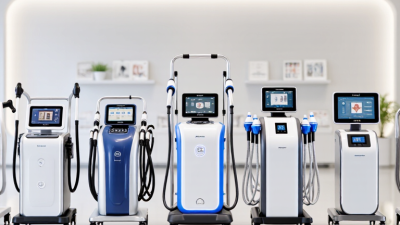
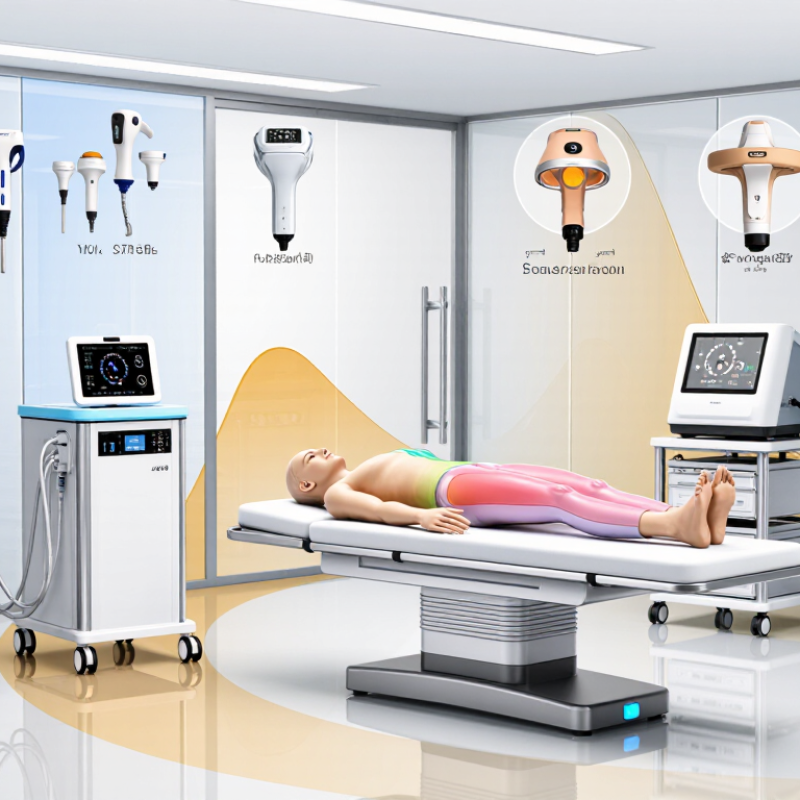
China manufactures several types of body contouring equipment for clinics, salons, and wellness facilities. Common categories include radiofrequency systems, cryolipolysis devices, ultrasound cavitation machines, vacuum rollers, electromagnetic muscle stimulators, and low-level light equipment. Each technology uses a different physical principle. Radiofrequency delivers controlled heat, while cryolipolysis uses regulated cooling. Ultrasound systems apply acoustic energy, and vacuum devices create mechanical suction.

The differences matter. In practical equipment evaluation, operators should examine energy control, applicator design, cooling accuracy, and skin-contact sensors. A clear display is useful, but it cannot replace reliable monitoring. Emergency stops, treatment records, and adjustable parameters also deserve attention. Results vary between users, and marketing language often sounds more certain than clinical evidence. That deserves caution.

Chinese manufacturers may offer compact units, multifunction platforms, or equipment designed for specific body areas. Buyers should review technical files, quality-control records, user training, and applicable market requirements before purchasing. Independent testing can reveal uneven energy output or uncomfortable applicator pressure. I would not select a machine only because it has many programs. Fewer settings may be safer when they are precise and well documented. A thoughtful evaluation should include a supervised trial, maintenance support, replacement-part access, and realistic treatment expectations. Some specifications still need deeper verification.

How to Compare Chinese Body Contouring Technologies and Features?

Choosing body contouring equipment from China requires more than comparing prices or counting treatment modes. I examine the energy source first: radiofrequency, focused ultrasound, cryolipolysis, or electromagnetic stimulation. Each technology targets different tissue and produces different sensations. A device with adjustable energy levels is more useful than one with many decorative programs. During demonstrations, I watch temperature stability, applicator contact, noise, and treatment time. Small details matter.

Cooling systems deserve close attention. Uneven cooling may reduce comfort and create inconsistent results. For radiofrequency equipment, built-in temperature sensors and automatic energy adjustment support safer operation. For electromagnetic systems, pulse strength, session duration, and coil positioning should be clearly explained.

Ask for measured output data, not only attractive photographs. Technical manuals should identify contraindications, maintenance intervals, and emergency procedures. Vague answers are warning signs.

Reliable suppliers can provide test reports, quality-management documents, user training, and traceable production records. Independent clinical evidence is valuable, although it may be limited for newer models. I also compare warranty response times, replacement parts, software updates, and service availability. A low purchase price can become expensive when an applicator fails. My own evaluations are not perfect; a short demonstration cannot predict every client’s response. Skin type, body composition, and operator skill still influence outcomes. That uncertainty should remain part of the purchasing decision.

What Safety Standards Should Chinese Body Contouring Equipment Meet?

The best Chinese body-contouring equipment begins with safety evidence, not cosmetic claims. The World Health Organization’s Global Patient Safety Report 2024 estimates that one in ten patients experiences harm in healthcare. More than half of this harm is preventable. That statistic makes temperature, pressure, and energy control essential.

Manufacturers should provide valid NMPA registration details for the intended market. Export models also need destination-specific compliance evidence. Look for GB 9706.1 or IEC 60601-1 electrical safety testing. IEC 60601-1-2 supports electromagnetic compatibility. ISO 14971 should guide risk management. Light-based systems may require IEC 60825-1 or IEC 62471 testing. Ask for reports matching the exact model and software version. Generic certificates are not enough. Check leakage current, treatment temperature, emergency stopping, timer accuracy, and skin-contact materials. These details matter during a busy treatment session.

Independent laboratory verification adds credibility. The FDA’s MAUDE database contains extensive medical-device incident reports, showing why post-market monitoring deserves attention. Chinese suppliers should maintain complaint records, corrective-action procedures, and traceable maintenance logs. Operators also need clear training and contraindication screening. A polished interface cannot replace clinical judgment. No checklist is perfect. I would still question any supplier that promises painless results for every skin type. Safety claims need test data, realistic limits, and evidence from actual use.

What Is the Best Body Contouring Equipment from China? — What Safety Standards Should Chinese Body Contouring Equipment Meet?

Equipment Category Main Technology Typical Body-Contouring Application Key Benefits Important Safety Risks Recommended Verification Data Relevant Standards and Regulatory Evidence Overall Suitability
Cryolipolysis Controlled cooling of subcutaneous fat through an applicator. Localized fat reduction in areas such as the abdomen, flanks, thighs, or submental region, when indicated by the device labeling. Non-surgical treatment; cooling parameters can be monitored and recorded; generally designed for localized rather than whole-body treatment. Cold injury, frostbite, temporary sensory changes, bruising, pain, and rare paradoxical adipose hyperplasia; unsuitable for some cold-related disorders. Applicator temperature uniformity, cooling-limit controls, contact sensors, emergency stop, treatment-time accuracy, and skin-protection performance. GB 9706.1 or applicable current Chinese medical electrical-equipment requirements; IEC 60601-1 principles; IEC 60601-1-2 for electromagnetic compatibility; ISO 14971 risk management; applicable NMPA registration and testing documents. High for localized fat
Radiofrequency (RF) Controlled electromagnetic heating of tissue, often used for skin tightening and, in some systems, body-contouring protocols. Skin laxity improvement, circumferential tightening, and selected contouring applications according to the intended use. Adjustable energy delivery; some systems include temperature feedback and contact monitoring; suitable for repeat treatment programs. Pain, burns, overheating, uneven energy delivery, skin pigment changes, and possible interference with implanted electronic devices. Output power and frequency accuracy, tissue-temperature control, thermal cut-off, electrode contact detection, leakage current, and EMC performance. GB 9706.1 or IEC 60601-1; IEC 60601-1-2; ISO 14971; IEC 62366-1 usability engineering where applicable; electrical safety and RF-output test reports; applicable NMPA classification and registration documents. High for tightening
Focused Ultrasound Concentrated acoustic energy delivered to a defined tissue depth. Localized contouring or skin-tightening procedures where the device has an appropriate depth, indication, and treatment protocol. Depth-specific energy delivery; non-invasive systems may provide targeted treatment without incisions. Pain, thermal injury, unintended tissue exposure, nerve irritation, and treatment errors caused by incorrect depth or positioning. Acoustic output, focal depth, pulse duration, treatment-area accuracy, transducer integrity, coupling detection, and thermal or energy-limiting controls. GB 9706.1 or IEC 60601-1; IEC 60601-1-2; ISO 14971; applicable particular requirements for ultrasound equipment; acoustic-output, biocompatibility, software, and NMPA documentation as applicable. High when depth is validated
Laser or Intense Pulsed Light (IPL) Selective optical energy absorbed by target chromophores, depending on wavelength and pulse parameters. Some devices are intended for skin appearance, hair reduction, or selected contouring-related indications; the exact intended use must match the registration and labeling. Wavelength- and pulse-based treatment; adjustable fluence and pulse duration on appropriately validated systems. Eye injury, burns, blistering, pigmentary changes, scarring, and fire risk; skin type and photosensitizing medication must be assessed. Wavelength, pulse energy, fluence, spot size, pulse duration, cooling performance, aiming system, interlocks, protective eyewear, and accidental-emission prevention. IEC 60601-2-22 for medical laser equipment where applicable; IEC 60601-1; IEC 60601-1-2; IEC 62471 for photobiological safety of lamps where applicable; ISO 14971; laser classification and NMPA registration evidence. Application-dependent
Electrical Muscle Stimulation (EMS) Low- or medium-frequency electrical pulses that stimulate muscle contraction through electrodes or applicators. Muscle activation, toning, or rehabilitation-related uses when covered by the device’s intended purpose; it should not automatically be represented as fat reduction. Adjustable pulse parameters; multiple treatment channels; relatively short treatment sessions on suitable users. Pain, skin irritation, excessive muscle contraction, burns from poor electrode contact, and possible interference with pacemakers or other implanted devices. Pulse amplitude, frequency, waveform, electrode-contact monitoring, output limitation, leakage current, emergency stop, and treatment-time accuracy. IEC 60601-1; IEC 60601-1-2; applicable particular requirements for nerve and muscle stimulators; ISO 14971; biocompatibility evidence for patient-contact materials; applicable NMPA documents. High for muscle activation
Vacuum and Mechanical Massage Negative pressure, rollers, vibration, or mechanical manipulation of superficial tissue. Temporary improvement in the appearance of cellulite, tissue mobilization, massage, or lymphatic-support protocols where clinically appropriate. Simple operating principle; adjustable suction or mechanical intensity; generally lower energy than thermal or optical technologies. Bruising, petechiae, pain, skin irritation, pressure injury, and worsening of some vascular or bleeding conditions. Vacuum-pressure accuracy, pressure-release function, mechanical-speed control, applicator hygiene, emergency stop, and material durability. GB 9706.1 or IEC 60601-1 where electrically powered medical equipment requirements apply; IEC 60601-1-2; ISO 14971; ISO 10993 for relevant patient-contact materials; applicable NMPA evidence. Moderate for temporary effects
Multi-Technology Platform Combines two or more modalities, such as RF, vacuum, infrared, EMS, or cooling. Clinics seeking multiple treatment options, provided each function has a clearly defined indication and validated operating protocol. Broader treatment flexibility, shared user interface, and potentially lower equipment footprint. Combined energy may increase thermal, electrical, mechanical, or user-interface risks; incorrect sequencing can compromise safety. Independent output testing for every modality, software access control, treatment interlocks, cross-function compatibility, alarms, and service-calibration records. GB 9706.1 or IEC 60601-1; IEC 60601-1-2; ISO 14971; IEC 62304 for medical-device software where applicable; IEC 62366-1; ISO 10993 for patient-contact parts; applicable NMPA registration for the complete configuration. High for versatile clinics
Minimum supplier documentation checklist: Valid Chinese regulatory registration or filing, intended-use statement, risk-management file, electrical-safety and EMC test reports, software and usability documentation where applicable, biocompatibility evidence for patient-contact materials, calibration procedures, maintenance instructions, operator training records, adverse-event reporting process, and clear contraindications.

How to Choose the Best Chinese Body Contouring Equipment for Your Needs?

Choosing the best Chinese body contouring equipment requires more than comparing prices or sleek control panels. Grand View Research valued the global body contouring devices market at about USD 2.1 billion in 2023, with continued growth expected through 2030. That growth attracts capable manufacturers, but also creates uneven quality. Start by defining the treatment goal: fat reduction, skin tightening, muscle stimulation, or combined protocols. Each purpose requires different energy, applicators, and clinical evidence.

Ask for NMPA registration details, ISO 13485 certification, and compliance with IEC 60601-1 electrical safety requirements. Request independent test reports, not only factory brochures. Check whether the equipment includes adjustable energy levels, skin-temperature monitoring, emergency shutdown, and documented contraindications. A reliable supplier should explain treatment intervals and maintenance procedures clearly. Vague promises are warning signs.

Look closely at daily usability. Can staff disinfect the handpiece quickly? Is the display readable under bright treatment-room lighting? Are replacement parts available locally? The 2023 ISAPS Global Survey reported strong worldwide demand for non-surgical aesthetic procedures, but demand does not prove that every device performs equally. Ask for peer-reviewed evidence, warranty terms, operator training, and references from clinics using the same model. My own purchasing view is cautious: a lower price can be reasonable, yet weak service may cost more than the equipment. Some evaluations still overlook consumable costs and staff learning time. That oversight deserves correction before signing a contract.

What Is the Best Body Contouring Equipment from China?

How to Choose the Best Chinese Body Contouring Equipment for Your Needs

The chart compares the representative midpoint of common non-invasive body-contouring treatment-course ranges. Cryolipolysis and focused ultrasound are often planned in fewer sessions, while radiofrequency and magnetic muscle stimulation commonly require a series of treatments. When selecting equipment, compare the intended treatment area, energy-control accuracy, safety systems, operator training, clinical documentation, maintenance support, and regulatory compliance rather than choosing by price alone.

Representative protocol values: cryolipolysis 1–2 sessions, radiofrequency 4–6 sessions, focused ultrasound 1–3 sessions, and magnetic muscle stimulation 4–8 sessions. Actual treatment plans vary by device settings, patient characteristics, treatment goals, and professional assessment.

Lumenis logo