China Best Light Sheer Laser Hair Removal Machine Supplier

Choosing a reliable China supplier matters when evaluating a light sheer laser hair removal machine. The right device is not defined by appearance alone. It must combine stable energy delivery, accurate cooling, suitable wavelengths, and clear operating data. A professional supplier should explain fluence, pulse duration, spot size, treatment speed, and maintenance requirements without hiding behind vague marketing language.

Dr. Tina Alster, a recognized laser dermatology expert, has stated, “Laser hair removal is a safe and effective procedure when performed by a trained professional.” That principle should guide every purchasing decision. A responsible supplier supports clinical training, skin-type assessment, eye protection, treatment records, and realistic patient expectations. It should also provide traceable quality documentation, factory testing, warranty terms, and responsive technical support. Certifications matter, but they do not replace practical verification.

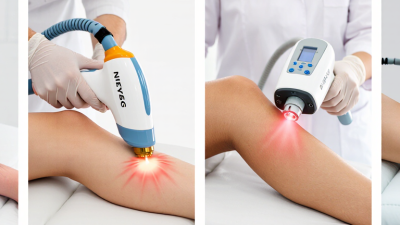
A dependable China manufacturer can offer valuable advantages, including competitive pricing, OEM development, and flexible production capacity. Still, low cost should never be the only measurement. Ask for demonstration videos, sample results, cooling performance, and user feedback from comparable clinics. Inspect the handpiece closely. Feel its weight. Check whether the screen remains readable during a busy treatment session.

No machine fits every clinic. That assumption is risky. Even experienced buyers can overlook training quality or after-sales service. A thoughtful supplier relationship requires more than a catalog and a discount. This guide examines how to compare Chinese manufacturers, verify technical claims, and select a light sheer laser hair removal platform that supports safe, consistent, and professional clinical practice.
China Best Light Sheer Laser Hair Removal Machine Supplier

What Is a LightSheer Laser Hair Removal Machine?

A LightSheer laser hair removal machine is a professional diode-laser system designed to reduce unwanted hair. It sends concentrated light into the skin, where pigment in the hair absorbs the energy. Heat then affects the follicle’s ability to produce hair. The treatment works best when hair is in an active growth phase, so one visit cannot treat every follicle. Several sessions are usually needed. Hair color, skin tone, treatment area, and device settings all influence results.

Clinical evidence points to variation, not a guaranteed outcome. A review in the Journal of the European Academy of Dermatology and Venereology examined controlled studies of laser and light-based hair removal. It reported long-term hair reduction ranging roughly from 20% to 75% at follow-up, depending on the device and study. That range is broad. It matters when assessing supplier claims: results from one system or patient group should not be presented as universal. In practice, a qualified operator should assess skin and hair, select suitable settings, and use appropriate eye protection. A small test area can help reveal how the skin responds, though it cannot predict every later result.

How Does LightSheer Laser Technology Work?

How Does Diode Laser Hair Removal Technology Work?

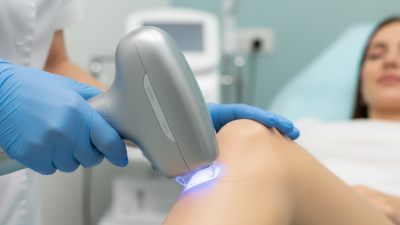
Diode laser hair removal directs concentrated light toward pigment in the hair shaft. The pigment absorbs this energy, which becomes heat and can damage the follicle’s ability to produce new hair. The surrounding skin is also exposed to light, so wavelength, pulse settings, and cooling all matter. Results vary with hair color, skin tone, treatment area, and individual response. It is not an instant fix.

Hair grows in cycles, and laser energy works best when hairs are in an active growth phase. That is why several sessions, spaced weeks apart, are commonly needed. A trained provider should assess skin and hair before treatment, select suitable settings, and monitor the skin during each session. Cooling may reduce discomfort, though some people still feel brief warmth or a snapping sensation. That part can be surprising.

Tips: Arrive with the treatment area shaved, and follow the provider’s guidance on sun exposure and aftercare. Ask what skin changes to watch for. Small details matter.

A cautious approach is sensible: temporary redness can occur, and not every hair responds equally. Clear expectations make treatment planning more reliable.

What Defines a Reliable Chinese LightSheer Machine Supplier?

A reliable Chinese light-sheer laser hair removal machine supplier proves performance beyond attractive specifications. Look for ISO 13485 quality systems, traceable production records, and testing aligned with IEC 60601-1 electrical safety requirements. These details show operational discipline. They do not guarantee perfect outcomes.

Industry data also supports careful supplier selection. Grand View Research reported steady growth in the global laser hair removal market, driven by safer, faster aesthetic procedures. Fortune Business Insights has projected continued expansion through 2030. Growing demand can attract inexperienced factories. A dependable supplier should provide fluence ranges, pulse-width controls, cooling performance, and test results from independent laboratories. Ask for treatment records using different skin tones and hair types. One sample is not enough. Real clinics need repeatable results, not impressive showroom flashes.

Tips: Request a video factory audit, serial-number tracking, and written calibration procedures. Confirm warranty response times and spare-part availability before payment. Ask whether engineers can support parameter training in your language. Review adverse-event reporting procedures, even when the equipment is legally marketed. Some suppliers may hesitate to share failure data. That hesitation deserves attention. A practical supplier admits limitations, updates manuals, and accepts technical questions from experienced users. Sales speed is useful, but transparent documentation matters more.

What Defines a Reliable Chinese LightSheer Machine Supplier?

A reliable supplier should provide current, verifiable documentation against relevant quality, risk-management, electrical-safety, and laser-safety standards. The years below refer to the publication or latest cited edition of key standards and are not company or brand performance data. Buyers should also verify certificate scope, product traceability, testing reports, warranty terms, training, and after-sales support.

How Can Buyers Assess Machine Safety and Quality?

Buyers assessing a light-based hair removal machine should look beyond appearance and advertised power. Ask for test reports covering electrical safety, light output, and cooling performance. Check whether the supplier can explain the results in plain language and provide operating and maintenance instructions. A polished brochure is not proof.

Inspect a working unit when possible. Confirm that the handpiece feels balanced, the treatment window is clean and secure, and the cooling system runs consistently during repeated pulses. Review the emergency stop, protective eyewear guidance, and skin-contact controls. Ask how the machine responds if cooling weakens or a sensor detects an issue. Small details matter.

Request a practical demonstration using the intended settings, and observe how staff explain skin assessment and parameter selection. Training records and traceable service support add confidence. Compare sample records, warranty terms, and replacement-part availability before purchase. I would still treat any demonstration as limited evidence; performance in a showroom may differ from daily use. Ask for written answers, not promises alone.

China Best Light Sheer Laser Hair Removal Machine Supplier - How Can Buyers Assess Machine Safety and Quality?

Use this checklist to compare supplier documentation, inspect the equipment, and verify that the configuration is appropriate for the intended market and clinical use. Request evidence for the specific model being offered.

Assessment Area What Buyers Should Verify Useful Evidence or Test Buyer Check
Intended use and device identity Confirm the device is intended for hair reduction, and that its model, configuration, handpieces, and labeling match the quotation and technical file. Review the user manual, product label, model and serial number, intended-use statement, and any applicable market authorization or registration. Check that the documents and delivered unit describe the same device and intended use.
Laser wavelength and output Verify the stated wavelength, pulse duration, spot size, fluence range, repetition rate, and output limits. Hair-removal systems may use diode, alexandrite, or Nd:YAG laser wavelengths. Compare the specifications with the manual and request a test report or measured-output record for the offered configuration. Confirm that settings are clearly displayed, adjustable only within specified limits, and suitable for the intended treatment protocol.
Laser hazard controls Check for appropriate warnings, emission indicators, key or access controls where specified, emergency stop arrangements, and protection against unintended emission. Request the applicable laser-safety assessment and evidence of conformity with relevant requirements, such as IEC 60601-2-22 and, where applicable, IEC 60825-1. Inspect controls and warning labels; verify that safety features work during a supervised demonstration.
Protective eyewear Ensure operator and patient eyewear is suitable for the device wavelength and expected exposure, with adequate optical density and appropriate fit. Check eyewear markings, wavelength range, optical-density rating, condition, and supporting documentation against the laser hazard assessment. Do not rely on color or appearance alone. Replace damaged or unverified eyewear.
Electrical and electromagnetic safety Assess protection from electrical shock, overheating, and electromagnetic interference in the intended clinical environment. Request applicable test documentation for IEC 60601-1 electrical safety and IEC 60601-1-2 electromagnetic compatibility, as relevant to the device and market. Check the rated voltage, grounding instructions, power cord, plugs, and any market-specific electrical requirements.
Cooling and temperature control Review the handpiece or skin-cooling method, temperature monitoring, alarms, and operating limits. Cooling performance can affect both comfort and treatment safety. Ask for operating instructions, cooling-system maintenance requirements, and records from functional checks under the specified conditions. Confirm cooling operates consistently and that alarms or shutdowns respond as described in the manual.
Clinical safeguards and usability Check that the interface presents settings and warnings clearly, and that operator instructions address screening, eye protection, test spots, and treatment precautions. Review the user manual, training materials, contraindications, and instructions for selecting parameters and responding to adverse events. Have intended operators demonstrate setup, parameter entry, treatment readiness checks, and emergency procedures.
Manufacturing quality system Assess whether the manufacturer maintains documented controls for design, production, inspection, and corrective actions. Request a current quality-management-system certificate, such as ISO 13485 where applicable, and verify its scope, validity, and issuing body. Confirm that the certificate covers the relevant manufacturing activities and device category; a certificate alone does not prove product performance.
Traceability and service Check serial-number traceability, preventive-maintenance intervals, calibration or output-verification procedures, spare-parts availability, and repair arrangements. Review service records, maintenance schedules, warranty terms, technical-support response process, and availability of trained service personnel. Agree in writing on service coverage, replacement parts, response times, and responsibilities before purchase.
Incoming inspection and acceptance Define how the delivered unit will be checked for completeness, transit damage, correct accessories, software version, and basic function. Use a written acceptance checklist and compare the delivery against the purchase specification, packing list, and manuals. Record the unit’s identifiers and inspection results; resolve discrepancies before clinical use.

Note: Applicable standards and regulatory requirements depend on the device design, claims, and destination market. Buyers should verify current requirements with qualified regulatory and laser-safety professionals; this checklist is for procurement assessment and is not a substitute for clinical training or a formal conformity assessment.

What Should Buyers Compare Before Choosing a Supplier?

China Best Light Sheer Laser Hair Removal Machine Supplier

What Should Buyers Compare Before Choosing a Supplier?

A machine can look impressive in a catalog. The details matter more. Compare its wavelength, spot size, pulse settings, and cooling system against your treatment needs. Ask for technical specifications and test them against the equipment’s operating manual. A larger spot may cover more skin per pulse, but handling and treatment area also affect practical results.

Check how the supplier demonstrates performance. Request a live demonstration or a recorded session showing the interface, handpiece, and cooling function. Ask what training is included and who handles technical questions after delivery. Response time matters when a device needs attention. Get the warranty terms in writing, including which parts and labor are covered. Vague promises are not enough.

Documentation deserves a close look. Confirm that product records, safety guidance, and service procedures match the exact model being offered. Ask whether replacement parts are available and how long they typically take to ship. If possible, speak with a current customer about setup and support, not only treatment outcomes. One detail buyers sometimes overlook is the cost of routine maintenance. I have seen comparisons focus too heavily on purchase price. That is easy to do, and not always wise.

Lumenis logo