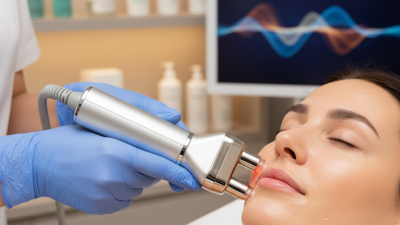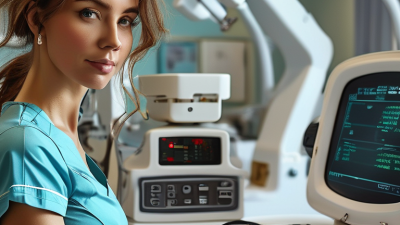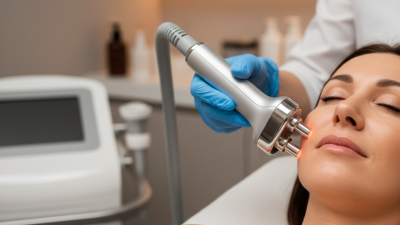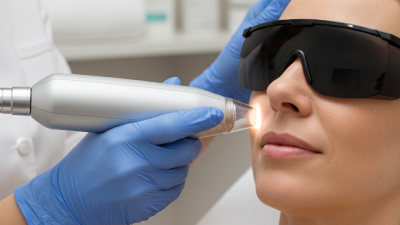
Choosing an intense pulsed light supplier is a clinical and operational decision, not merely a price comparison. The device must match treatment goals, staff skills, patient skin types, and service volume. Grand View Research’s IPL market analysis identifies continued growth in aesthetic and dermatological applications, while Fortune Business Insights reports expanding demand for light-based therapies. These trends attract capable manufacturers, but also inexperienced sellers.
Dr. Patrick Bitter Jr., widely associated with the photofacial, has stated, “IPL is not a laser; it is a broad-spectrum light source.” That distinction matters. A reliable supplier should explain wavelength ranges, fluence, pulse duration, cooling systems, and treatment indications in plain language. Ask for published clinical evidence, regulatory documentation, warranty terms, and service-response times. A polished brochure is not proof.
Look closely.
Real experience appears in small details: uniform handpiece cooling, readable treatment records, and technicians who discuss contraindications before treatment. The supplier should provide structured training, maintenance schedules, and practical protocols for different skin tones. Independent reports from the American Society for Dermatologic Surgery also show strong consumer interest in noninvasive cosmetic procedures, increasing the need for safe, evidence-based equipment.
Still, no supplier is perfect. Market reports may use different definitions, sample sizes, and forecasting methods. Claims should be checked against original sources. A lower purchase price may become expensive when lamps, repairs, downtime, and training are included. The best choice is therefore not the loudest brand. It is the supplier that remains transparent when difficult questions arise.
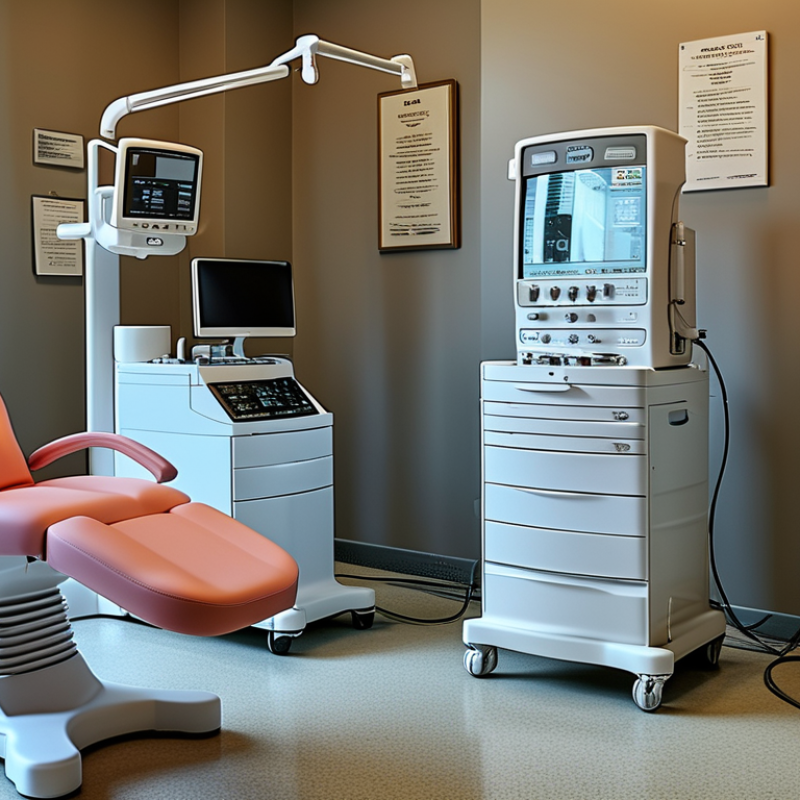
Begin with the treatment purpose, not the supplier’s sales language. Decide whether you need IPL for hair reduction, vascular concerns, pigmentation, or general skin treatments. Each application may require different wavelength ranges, fluence levels, pulse durations, and spot sizes. Write these requirements down before comparing quotations.
Think about the treatment room, too. A busy clinic may need fast repetition rates, simple controls, and reliable cooling. A smaller practice may value compact equipment and flexible handpieces. Ask for measurable specifications, not vague claims such as “advanced” or “powerful.” Request test data, maintenance records, user training details, and clear warranty terms. Regulatory documentation should match your location and intended use. A qualified professional should confirm whether the device fits your clinical scope.
Tips: Check pulse consistency during a live demonstration. Observe the cooling response after several flashes. Ask how calibration is verified and how quickly technical support responds. Review the interface carefully. Complicated screens can create avoidable mistakes.
In my experience, suppliers often highlight peak energy while overlooking pulse stability. That detail matters. I once focused too much on maximum fluence and underestimated handpiece comfort during long sessions. That was a poor assumption. Also, published specifications may not reflect real clinic conditions. Test the equipment with realistic workloads, suitable protective measures, and trained operators before making a commitment.
Choosing an intense pulsed light supplier requires more than comparing prices. Supplier expertise should appear in clinical training, optical engineering, and service records. Ask for treatment protocols, fluence ranges, pulse durations, and cooling performance. A confident supplier should explain these specifications without vague promises. Grand View Research’s 2024 aesthetic devices report identifies strong double-digit market growth, increasing the need for qualified technical support.
Product quality needs physical evidence. Request electrical safety test reports, optical output measurements, software version control, and maintenance instructions. Check whether each device has traceable serial numbers and documented calibration intervals. ISO 13485 certification indicates a quality management system for medical devices, but it does not guarantee every product performs well. The ISO Survey 2023 recorded more than 36,000 ISO 13485 certificates worldwide, so certification alone cannot separate excellent suppliers from average ones. That distinction is easy to overlook.
Tips: Compare certificates with the exact manufacturer and model. Verify certification through the issuing body. Ask for anonymized service data, failure rates, and response times. Inspect a demonstration unit under real operating conditions. Watch the cooling plate, handpiece cable, and user interface. Small details matter. I would still keep one question open: does the supplier understand your staff, skin types, treatment goals, and local compliance duties? A polished brochure cannot answer that. Evaluate evidence, not confidence.
A dependable intense pulsed light supplier should explain device performance in practical terms. Ask about fluence, pulse duration, wavelength range, and spot size. These settings affect treatment accuracy, comfort, and clinical flexibility. Request a live demonstration, not only attractive photographs. Observe whether the light output remains stable during repeated pulses. Inconsistent energy can reduce results and increase skin reactions. Small details matter.
Safety features deserve equal attention. Look for reliable skin-contact sensors, cooling systems, emergency stop controls, and password-protected settings. The supplier should provide clear operating instructions and maintenance records. Ask how the device responds to overheating or incorrect parameter selection. Good training should include patch testing, contraindication screening, protective eyewear, and treatment documentation. A polished demonstration is not enough.
Treatment options should match your patients, not just your marketing plan. Useful systems may support hair reduction, vascular concerns, pigmentation, and general photorejuvenation. However, broader settings do not guarantee better outcomes. Check whether the supplier provides protocols for different skin tones and treatment areas. Ask for evidence, operator training, and realistic result timelines. No device fits every clinic. A few promised features may remain rarely used. That is worth questioning before purchase.
Choosing an intense pulsed light supplier requires more than comparing flash energy and purchase prices. Manufacturing controls deserve close inspection. Ask for ISO 13485 certification, documented calibration records, electrical safety testing under IEC 60601-1, and traceable quality inspections. Grand View Research projects the global IPL market to grow at a double-digit annual rate through 2030, increasing pressure on suppliers to scale without weakening consistency. A certificate helps, but it does not prove every unit performs reliably.
Support services often reveal the supplier’s real experience. Request installation training, treatment protocols, remote diagnostics, spare-part availability, and a named technical contact. Ask how quickly engineers respond when a handpiece overheats at 5:30 p.m. A useful service agreement should state response times, loaner equipment options, preventive maintenance, and calibration intervals. Industry surveys consistently identify downtime and service delays as major risks for medical-device operators. Still, supplier promises can sound better than reality. Check references from clinics using similar treatment volumes.
Warranty terms need careful reading. Confirm coverage for the generator, cooling system, handpiece, applicator window, and software. Clarify whether shipping, labor, replacement parts, and on-site visits are included. Some warranties exclude consumables or damage linked to missed maintenance. That detail matters. A two-year warranty may offer less protection than a one-year plan with rapid repair and transparent exclusions. I would also request uptime targets and written renewal pricing. No checklist is perfect, but vague support language should slow the purchase.
| Evaluation Dimension | Verified Industry Reference | Evidence to Request | Recommended Review Weight | Supplier Assessment |
|---|---|---|---|---|
| Quality Management System | ISO 9001 defines requirements for a quality management system and applies across industries. | Current certificate, certification scope, issuing body, validity dates, and audit status. | 15% | Pass if the certificate covers the relevant design, manufacturing, or servicing activities. |
| Medical-Device Manufacturing Controls | ISO 13485 is specifically focused on quality management systems for medical devices and related services. | ISO 13485 certificate, manufacturing-site details, design-control procedures, and change-control records. | 15% | Higher confidence when the certificate scope includes the exact IPL device category. |
| Electrical and General Safety | IEC 60601-1 addresses basic safety and essential performance of medical electrical equipment. | Test report, certificate, applicable edition, laboratory accreditation, and model-number match. | 12% | Reject documentation that applies to a different model or an unrelated product family. |
| Optical and Photobiological Safety | IEC 60601-2-57 covers the safety and essential performance of non-laser light-source equipment for therapeutic, diagnostic, monitoring, and cosmetic applications. | Photobiological safety test report, spectral output data, fluence limits, pulse duration, and treatment-area specifications. | 15% | Confirm that testing covers the complete emitted spectrum and all operating modes. |
| Risk Management | ISO 14971 provides a framework for identifying, evaluating, controlling, and monitoring medical-device risks. | Risk-management summary, hazard analysis, protective controls, residual-risk evaluation, and post-market monitoring process. | 10% | Look for controls addressing burns, eye exposure, unintended activation, overheating, and operator error. |
| Biocompatibility of Patient-Contact Materials | ISO 10993 is used to evaluate the biological safety of materials that contact the body. | Material list, contact-duration assessment, applicable biological evaluation reports, and test results. | 6% | Verify documentation for cooling plates, treatment windows, gels, and reusable accessories. |
| Regulatory Documentation | Regulatory requirements differ by intended use, device classification, and destination market. | Declaration of conformity, product classification, authorized representative details where required, and market-specific registration evidence. | 8% | Confirm that the intended use and model number match the supplied regulatory documents. |
| Factory Testing and Traceability | Consistent production requires documented incoming inspection, calibration, final testing, and serial-number traceability. | Sample inspection records, calibration certificates, final-test checklist, serial-number policy, and batch records. | 7% | Prefer suppliers that can trace critical components and test results to each delivered unit. |
| Technical Support | Effective support should include installation, user training, troubleshooting, preventive maintenance, and escalation procedures. | Service-level agreement, support channels, operating hours, training plan, response targets, and spare-parts process. | 5% | A documented escalation path and local or regional service capability reduce downtime risk. |
| Warranty Coverage | Warranty terms should clearly define duration, covered components, exclusions, labor, shipping, and repair or replacement obligations. | Signed warranty document, start date, parts coverage, labor coverage, consumables policy, and return procedure. | 5% | Compare the written warranty rather than relying on verbal promises; separately price consumables and handpieces. |
| Serviceability and Total Cost | Purchase cost alone does not represent total ownership cost; maintenance, lamp or handpiece replacement, calibration, shipping, and training may add recurring expenses. | Three-year cost estimate, maintenance schedule, replacement-part prices, expected service intervals, and calibration fees. | 2% | Select the supplier with the strongest documented value after accounting for downtime and service costs. |
Note: Standards and regulatory requirements should be confirmed for the device’s intended use and destination market. Certificates and test reports should be current, independently verifiable, and matched to the exact model being purchased.
How to Choose an Intense Pulsed Light Supplier?
Assess Pricing, Compliance, and Long-Term Supplier Reliability
When comparing intense pulsed light suppliers, examine the complete purchasing cost. A low unit price may hide training, delivery, maintenance, or replacement-part expenses. Request a detailed quotation with warranty terms, service fees, and expected consumable costs. Then calculate the cost over three to five years. Hidden costs matter.
Compliance requires more than a certificate attached to an email. Verify applicable local registrations, electrical safety testing, risk-management records, and quality-system documentation. Ask whether the supplied model matches the tested configuration. Small changes in handpieces or software can affect safety and performance. Do not accept vague assurances. Documentation should be current, traceable, and easy to verify.
Long-term reliability depends on practical support. Review the supplier’s repair response time, spare-parts availability, software support, and technician training. Check references from clinics using similar treatment volumes. Speak with at least one customer after a full year of operation. A supplier may perform well during sales discussions but respond slowly later. That warning matters.
Pricing is only one signal. Even experienced buyers can overvalue an attractive quote and overlook downtime. A reliable supplier should explain limitations clearly, not promise perfect results. Ask difficult questions before signing. Their answers often reveal more than polished marketing material.