What Is a CO2 Fractional Laser and How Does It Work?

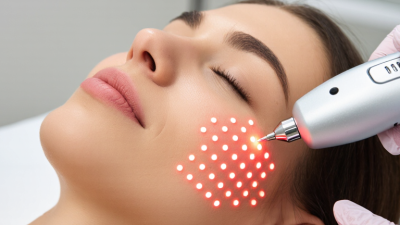
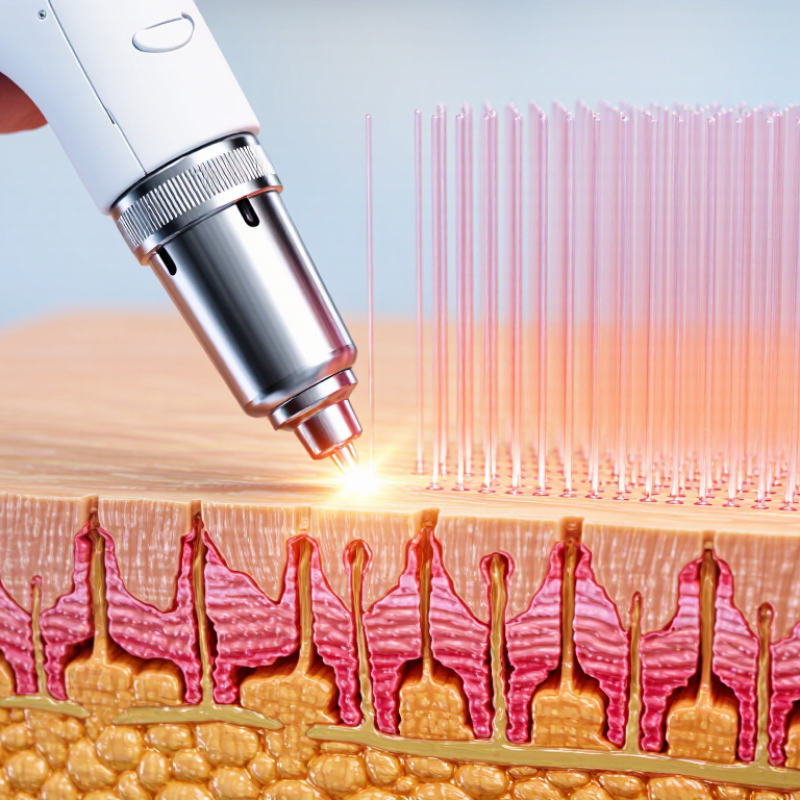
A co2 fractional laser uses a 10,600-nanometer carbon dioxide wavelength to create microscopic treatment columns in the skin. These columns remove tiny areas of damaged tissue while leaving surrounding skin intact. The untreated skin supports faster healing. It also helps produce new collagen and elastin over time.

The treatment can soften acne scars, fine lines, uneven texture, and selected pigmentation concerns. Heat reaches deeper layers, so the experience is more than surface polishing. Patients may notice a warm, prickling sensation, followed by redness, swelling, and a rough, sandpaper-like texture. Recovery varies. Skin type, treatment intensity, aftercare, and medical history all matter.

Dr. Tina Alster, a leading laser dermatologist, described fractional resurfacing as having “revolutionized the treatment of photodamaged skin.” Her observation reflects the technology’s clinical importance, but it should not become a promise of perfect results. The American Society for Dermatologic Surgery and the International Society of Aesthetic Plastic Surgery continue tracking laser resurfacing within their professional procedure reports. Market analyses from Grand View Research also place aesthetic lasers within a growing global dermatology sector, although these categories often combine several laser technologies.

That distinction matters. A co2 fractional laser is powerful, not universally suitable. Darker skin may face a higher risk of post-inflammatory hyperpigmentation. Active infections, poor wound healing, or recent isotretinoin use require careful medical assessment. Experienced clinicians usually adjust energy, density, and pulse duration rather than using one fixed setting. The science is strong, but individual outcomes remain imperfect. That is worth saying clearly.
What Is a CO2 Fractional Laser and How Does It Work?

What Is a CO2 Fractional Laser?

A CO2 fractional laser is a medical device that delivers 10,600-nanometer infrared energy into microscopic columns of skin. Water absorbs this energy strongly. The resulting heat removes tiny areas of damaged tissue while leaving surrounding skin intact. These untouched areas support faster healing. That is the central meaning of “fractional.”

During treatment, the laser creates a controlled grid of microscopic thermal zones. The body then produces collagen and remodels existing fibers around those columns. This process may soften acne scars, fine lines, uneven texture, and selected pigmentation concerns. Results depend on skin type, scar depth, treatment settings, and aftercare. Not every mark responds equally.

The American Society of Plastic Surgeons’ 2023 Procedural Statistics reported more than three million skin-resurfacing procedures in the United States. That figure shows strong demand, but it does not prove that CO2 fractional treatment suits everyone. Clinical reviews also describe redness, swelling, temporary darkening, infection risk, and prolonged healing in some patients. Darker skin tones require particular caution because post-inflammatory hyperpigmentation can occur. Sometimes, less energy is wiser.

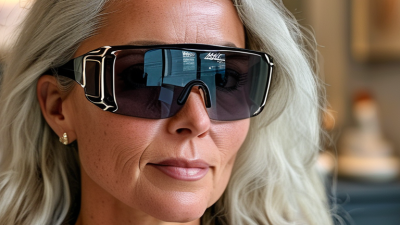
A qualified medical practitioner should assess medical history, active skin conditions, previous scarring, and sun exposure. Proper eye protection is essential. Patients should also understand that “fractional” does not mean painless or risk-free. The technology is precise, yet human healing remains unpredictable.

How CO2 Fractional Laser Technology Works

A CO2 fractional laser uses carbon dioxide energy at a wavelength of about 10,600 nanometers. This wavelength is strongly absorbed by water in the skin. When the beam reaches the surface, it rapidly vaporizes tiny columns of tissue. These columns are called microscopic treatment zones.

The laser does not remove the entire surface. Instead, it leaves untreated skin between the columns. That surrounding tissue helps support faster healing. Heat also reaches nearby layers, where it encourages collagen remodeling and gradual skin tightening. Over time, rough texture, fine lines, and some acne scars may look softer.

The process is highly adjustable. A qualified clinician selects the energy, density, and depth after examining skin type, scars, and medical history. Numbing cream may reduce discomfort, but warmth and stinging can still occur. Redness, swelling, peeling, and temporary sensitivity are common after treatment.

The skin may look dramatic at first.

Healing is not perfectly predictable. Some people need several sessions, while others experience prolonged redness or uneven pigmentation. Sun protection becomes essential during recovery. The skin does not behave like a diagram, and treatment settings must sometimes be reconsidered carefully. A trained medical professional should explain realistic results, possible complications, and suitable aftercare before treatment.

What Is a CO2 Fractional Laser and How Does It Work? - How CO2 Fractional Laser Technology Works

Data Dimension Key Information How It Works or Why It Matters
Technology Type Ablative fractional laser treatment The laser removes microscopic columns of skin while leaving untreated skin between the columns to support faster healing than fully ablative resurfacing.
Laser Wavelength Approximately 10,600 nanometers This far-infrared wavelength is strongly absorbed by water, which is abundant in skin tissue. The absorbed energy is converted into heat and controlled vaporization.
Primary Target Water-containing tissue Because skin contains a high proportion of water, the laser can precisely create microscopic treatment zones at selected depths.
Fractional Delivery Microbeams or microscopic treatment columns Only a portion of the skin surface is treated during each pass. The untreated areas help provide cells that can contribute to re-epithelialization.
Ablation Process Controlled vaporization of tissue Rapid energy absorption causes targeted water-rich tissue to vaporize, removing damaged surface layers and creating microscopic channels.
Thermal Effect Localized heat in and around treatment columns Heat can stimulate wound-healing pathways and collagen remodeling while the fractional pattern limits the total treated area.
Skin Remodeling New collagen formation and collagen reorganization The controlled injury activates a repair response that may gradually improve the appearance and texture of scars, wrinkles, and other irregularities.
Common Treatment Goals Texture irregularities, fine lines, acne scars, surgical scars, sun-related skin changes, and selected pigmentation concerns Results depend on the condition, skin type, treatment settings, number of sessions, and individual healing response.
Treatment Depth Variable and selected according to the clinical objective Depth and density are adjusted by a qualified practitioner based on the treatment area, concern being treated, skin characteristics, and desired downtime.
Treatment Density Variable percentage of skin covered by microscopic treatment zones Lower density generally treats a smaller proportion of the surface in one session, while higher density may increase treatment intensity and recovery time.
Typical Sensation Heat, stinging, or prickling during treatment Topical anesthetic, cooling, or other comfort measures may be used according to the treatment area and clinical protocol.
Immediate Skin Response Redness, warmth, swelling, and a sunburn-like sensation These effects are common after ablative resurfacing and usually lessen as the skin barrier repairs.
Recovery Characteristics Flaking, crusting, or temporary oozing may occur Recovery varies with treatment intensity and individual factors. The treated skin should be protected and cared for according to professional instructions.
Visible Improvement Often develops progressively over weeks to months Surface healing may occur before deeper collagen remodeling is complete, so final improvement is not always immediate.
Number of Sessions May range from one treatment to a series of treatments The recommended schedule depends on the condition, treatment intensity, healing response, and clinical assessment.
Important Risks Infection, prolonged redness, acne or milia, pigment changes, delayed healing, and scarring Risk can be influenced by treatment settings, aftercare, history of abnormal scarring, active skin conditions, and natural skin pigmentation.
Sun Exposure Consideration Strict sun protection is important before and after treatment Ultraviolet exposure can increase irritation and the risk of post-inflammatory hyperpigmentation during the healing period.
Professional Assessment Required before treatment A qualified medical professional should evaluate skin condition, medical history, medications, infection risk, and suitability for ablative laser resurfacing.

What Skin Conditions Can It Treat?

A fractional CO2 laser creates microscopic columns of controlled heat in the skin. Untreated tissue remains between these columns. This design supports faster healing and collagen remodeling. It may improve acne scars, fine lines, sun damage, enlarged pores, uneven texture, and selected surgical scars. It can also soften some stretch marks, although results vary considerably.

Clinical evidence is encouraging but not perfect. A prospective study of 30 patients, published in Dermatologic Surgery, reported meaningful acne-scar improvement after fractional CO2 treatments. A 2023 systematic review in the Journal of Cosmetic Dermatology also found consistent texture and scar improvements across multiple studies. However, treatment settings differed widely. Patient selection differed too. Results are not fully predictable.

Tips: Request an assessment from a board-certified dermatology professional. Ask about your skin tone, scar depth, treatment intervals, and realistic downtime. Darker skin may face a higher risk of temporary hyperpigmentation, especially after aggressive treatment. Active infection, poor wound healing, or uncontrolled inflammatory skin disease requires extra caution. Use gentle cleansing and strict sun protection during recovery. Do not pick peeling skin. Small details matter.

What Happens During a CO2 Fractional Laser Procedure?

What Happens During a CO2 Fractional Laser Procedure?

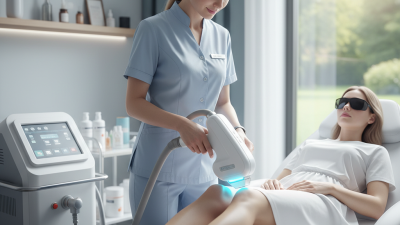
A CO2 fractional laser appointment usually begins with a medical consultation. The clinician reviews medications, healing history, pigmentation risk, and previous procedures. Photos document the starting condition.

This matters.

Before treatment, the skin is cleansed carefully. A topical anesthetic may remain for 30 to 60 minutes. Protective eyewear is essential. During treatment, the laser creates microscopic columns of controlled thermal injury. Untreated skin remains between these columns, supporting faster healing. A smoke evacuator removes vapor and debris from the treatment area.

The clinician moves the handpiece across the skin in measured passes. Settings vary with scars, wrinkles, texture, and skin tone. Stronger settings may improve results, but they also increase redness, swelling, and downtime. The American Society of Plastic Surgeons’ 2023 Procedural Statistics Report recorded approximately 3 million laser skin-resurfacing procedures in the United States. That figure shows demand, not guaranteed safety or effectiveness.

Afterward, the skin may feel hot, tight, or sunburned. Cooling compresses and a bland protective ointment are commonly used. Healing often includes peeling, oozing, and redness for several days. A review published in Lasers in Medical Science reported that fractional CO2 recovery commonly lasts about 5 to 14 days, depending on treatment intensity. Darker skin may face a higher risk of post-inflammatory pigmentation. Experienced care helps, but it cannot remove every uncertainty. Averages are not promises. Strict sun protection remains necessary during recovery.

How to Prepare for and Recover From Treatment

What Is a CO2 Fractional Laser and How Does It Work?

A CO2 fractional laser creates microscopic columns of controlled heat in the skin. Untreated skin remains between these columns, supporting faster repair. The treatment may soften acne scars, fine lines, uneven texture, and selected pigmentation. Results depend on skin type, treatment depth, healing ability, and daily sun exposure.

Preparation affects safety and recovery. Schedule a consultation with a qualified medical professional who can review your skin history, medications, scarring tendency, and current skincare routine. Report cold sore history, recent tanning, active irritation, or slow wound healing. Avoid tanning and use broad-spectrum sunscreen consistently before treatment. Your clinician may ask you to pause irritating products, including retinoids or exfoliating acids. Do not change prescribed medicine without medical advice. Clean skin matters. Arrive without makeup, self-tanner, or heavy creams.

Recovery is usually red, warm, swollen, and sensitive at first. Some people describe the feeling as a strong sunburn. Tiny dark dots or peeling may appear during the first week. Follow the aftercare plan closely, cleanse gently, and apply only recommended products. Do not scratch, peel, swim, or exercise heavily until your clinician allows it. Keep treated skin protected from sunlight, even near windows. Healing is not perfectly predictable. I have seen people underestimate redness because the procedure sounded “fractional.” Contact your provider about worsening pain, spreading redness, pus, fever, or unusual blistering. Results develop gradually as new collagen forms.

What Is a CO2 Fractional Laser and How Does It Work?

CO2 fractional laser treatment creates microscopic columns of controlled thermal injury in the skin, leaving surrounding tissue intact to support healing and collagen remodeling. The chart shows commonly reported preparation and recovery time windows; individual results vary with treatment intensity, skin type, and aftercare.

How to prepare: Follow your clinician’s instructions, avoid intentional tanning before treatment, disclose medications and skin conditions, and pause irritating skincare products only when specifically advised.

Recovery: Redness and warmth are often most noticeable during the first few days. Peeling or flaking may occur during the first week, while increased sensitivity to sunlight can continue for several weeks. Use the aftercare plan provided by your qualified healthcare professional.

Lumenis logo