Choosing the 2026 best Secret RF microneedling machine for a clinic starts with a practical question: does it fit the patients, treatments, and workflow the clinic can responsibly support? The term secret rf microneedling is often used for treatments that combine microneedling with radiofrequency energy, but device features and treatment protocols can differ. A product page may look impressive. It is not enough.
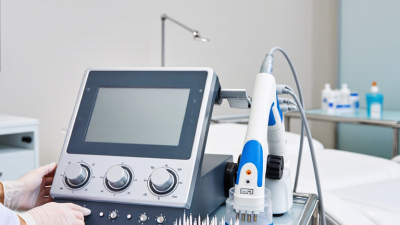
A useful comparison should examine adjustable needle depth, energy settings, pulse options, handpiece ergonomics, and the clarity of the manufacturer’s training materials. Ask how easily staff can check settings, maintain consistent contact, and document each session. Look for clear instructions on patient selection, contraindications, aftercare, and device maintenance. Small details count: the weight of the handpiece, the visibility of the display under bright clinic lights, and the time needed to prepare a treatment room. No feature guarantees results.
This guide introduces factors clinics can assess before choosing a system, including service support, consumable costs, warranty terms, and available clinical documentation. Check specifications against current manufacturer materials and requirements in your market; do not assume that a feature or claim applies everywhere. Patient outcomes can vary, and device choice alone cannot replace qualified clinical judgment. Even a well-designed machine may not suit every practice. That is worth considering before comparing price tags or relying on polished marketing claims. A careful evaluation can help clinics make a more informed decision, while keeping patient safety and realistic expectations at the center.
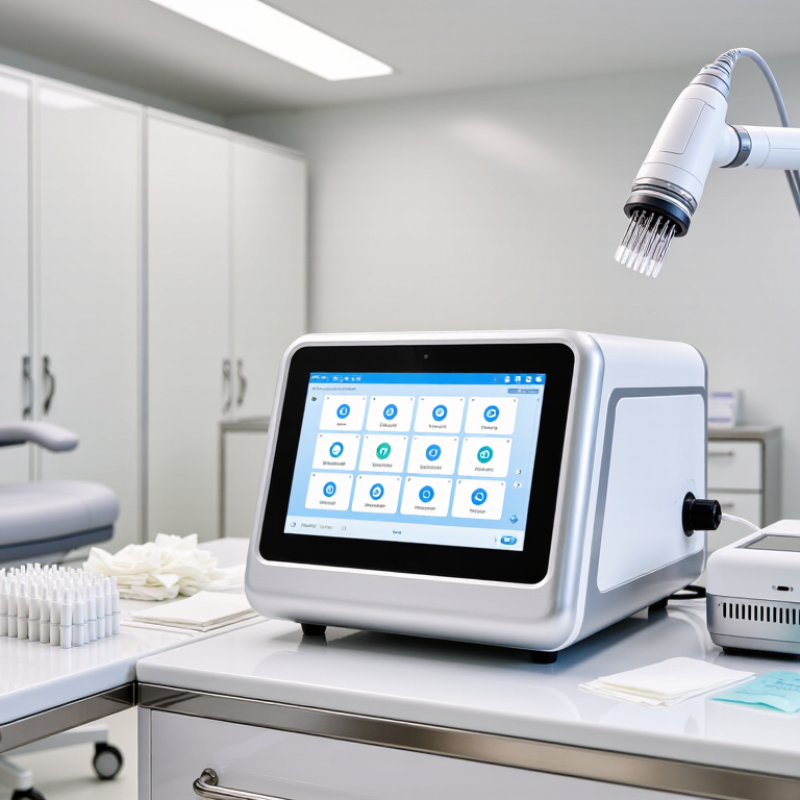
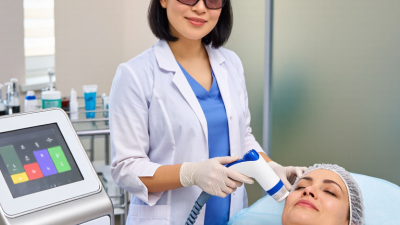
Radiofrequency microneedling combines fine needles with controlled heat to target selected layers of the skin. A clinic device creates tiny channels as its needles enter the skin, then delivers radiofrequency energy through their tips. This focused heating can stimulate the body’s wound-healing response and support new collagen formation over time. The needles do not simply “tighten” skin on contact. Visible changes usually develop gradually, and outcomes differ between people.
Treatment settings matter. A trained clinician may adjust needle depth and energy according to the area, skin characteristics, and treatment goal. On a device screen, these choices can look like small numbers; in practice, they affect where energy is delivered and how the skin responds.
Too much heat or unsuitable depth may increase irritation or other complications, so a consultation and appropriate training are essential. That distinction matters. After treatment, temporary redness, swelling, or pinpoint marks can occur, and clear aftercare instructions help patients know what to expect. Results vary. Even experienced clinicians may need to reassess settings between sessions, because skin does not always respond as predicted.
Radiofrequency microneedling delivers heat through fine needles into selected skin layers. Clinics may use it to address acne scars, uneven texture, enlarged pores, and mild skin laxity. Results vary. Device settings, needle depth, treatment area, and practitioner technique all matter. No machine can guarantee a particular outcome.
Patient selection starts with a careful history and skin assessment. Review active skin infections, healing problems, implanted devices, medications, and previous procedures before treatment. Skin tone and recent tanning also deserve attention, since irritation or pigment changes can occur. Small changes matter. Explain likely redness, swelling, pinpoint marks, and recovery time in plain language. Not for everyone. Set realistic expectations, especially when scars are deep or laxity is pronounced.
When comparing clinic devices in 2026, assess adjustable energy and depth, clear operating instructions, service support, and practical cleaning procedures. Ask how staff training is documented and how adverse events are recorded. A treatment room may look ready, yet workflow gaps can appear once appointments begin. That is worth reflecting on. Start with a consistent assessment and consent process, then review outcomes and patient feedback over time. If healing is prolonged or symptoms worsen, arrange clinical follow-up rather than promising a quick fix.
How to Compare Secret RF Systems for a Clinic in 2026
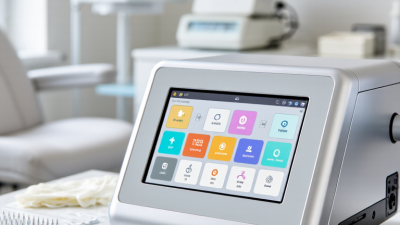
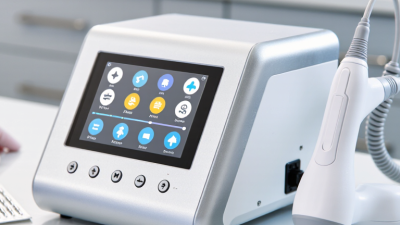
When comparing Secret RF microneedling systems, start with the patients your clinic actually treats. Ask suppliers for clear specifications on needle depth, energy adjustment, pulse control, and available treatment tips. These details affect how clinicians plan treatments for different areas and skin concerns. Look closely. A polished screen matters less than predictable controls and clear on-screen feedback.
Request a hands-on demonstration with a trained operator. Check how quickly staff can change settings, position the handpiece, and understand treatment alerts. Ask about operator training, maintenance intervals, warranty coverage, and typical service response times. Verify that consumables are easy to source. A device that sits idle during repairs can disrupt scheduling and revenue.
Compare the total cost of ownership, not just the purchase price. Include training, service, replacement parts, and treatment supplies in your estimates. Ask for documentation supporting performance claims, and review safety guidance with your clinical lead. I would avoid choosing by brochure specifications alone; they rarely show how a system feels during a busy clinic day. Keep notes from each demonstration, including small frustrations. Those are easy to dismiss, but they may matter after repeated use.
A safe microneedling workflow begins before the treatment room. Review the patient’s skin history, medications, prior procedures, and healing concerns. Check for active irritation or infection, and discuss whether treatment is appropriate. Explain expected redness, possible complications, and realistic outcomes. Obtain informed consent and record baseline photographs with permission. Small details matter.
Prepare the room according to the device instructions and clinic infection-control policy. Confirm that the handpiece and sterile, single-use needle cartridge are intact. Clean the treatment area, mark zones clearly, and use only approved settings selected by a qualified clinician. Avoid relying on a preset without assessing the skin. Watch the patient’s comfort and skin response throughout treatment. Pause when unsure. Unexpected pain or a concerning reaction calls for reassessment, not a rushed finish.
Aftercare instructions should be specific: explain gentle cleansing, sun protection, and when to contact the clinic. Document settings, cartridge details, treatment areas, and any reactions. Staff training should include supervised practice, infection control, device maintenance, and a clear escalation plan. Competency needs periodic review, not just a sign-off after one demonstration. Busy clinics can miss small steps; a checklist helps, though it cannot replace clinical judgment. Follow local scope-of-practice requirements and the manufacturer’s current instructions.
Maintenance costs can quietly outweigh a machine’s purchase price. Before choosing an RF microneedling platform, ask for written pricing on treatment tips, service visits, replacement parts, and staff training. Confirm how long routine maintenance takes and whether a loan unit is available during repairs. One missed clinic day can erase the savings from a cheaper device.
The American Society of Plastic Surgeons’ 2023 procedural statistics report recorded about 25.4 million minimally invasive cosmetic procedures in the United States. That figure signals broad demand, not guaranteed demand for RF microneedling. A clinic should compare local bookings with its actual costs.
Track monthly treatments, disposable-tip costs, staff time, and downtime. Downtime costs money. Divide the device’s total ownership cost by completed treatments, then compare that figure with net revenue per treatment. The calculation is useful, but imperfect: it cannot predict repeat visits or cancellations.
I would review it quarterly, using real booking and service records rather than optimistic sales projections. A machine with reliable support and predictable consumable costs may offer stronger long-term value, even when its initial price is higher.